TIG welding (Tungsten Inert Gas) is based on an electric arc generated between a non-consumable tungsten electrode and the workpiece to be welded, protected by an inert gas such as argon. This method enables clean joining without spatter and is suitable for many types of metals.
How a TIG Torch Works
Principle of TIG Welding and the Role of the Torch
The process relies on the creation of an electric arc initiated by the tungsten electrode. The TIG torch maintains this arc in a stable manner while shielding the weld pool with an inert gas to prevent oxidation.
Key Components: Tungsten Electrode, Nozzle and Inert Gas
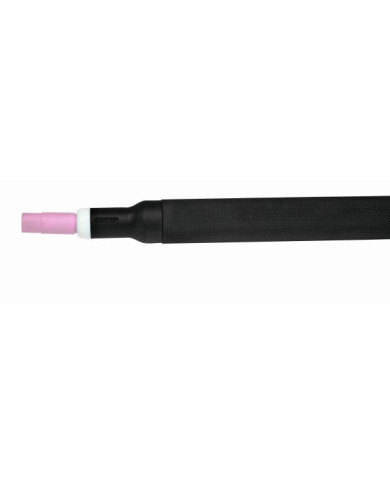
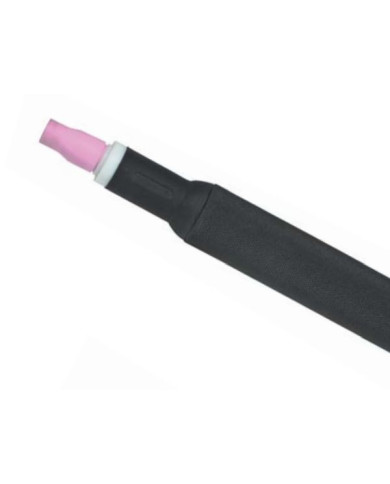
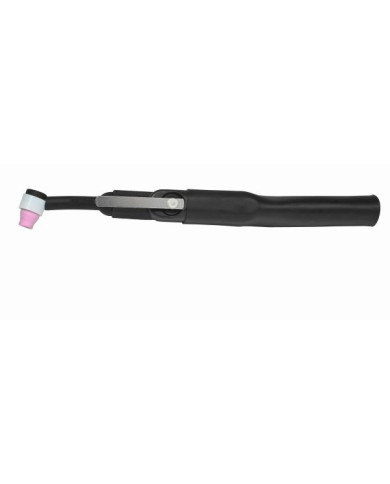
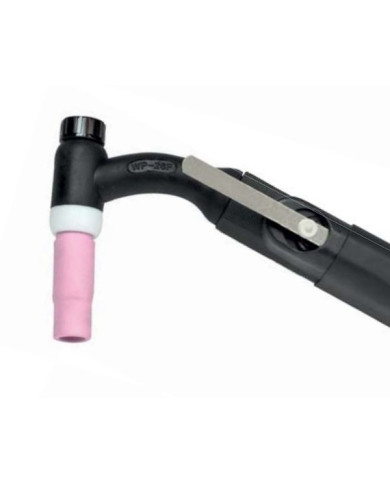
The torch includes a tungsten electrode, a nozzle that channels the inert shielding gas (often argon), and sometimes a high-frequency ignition system. These elements ensure clean and precise welding without contaminating the metal.
Technical Characteristics of TIG Torches
Cooling Types: Air-Cooled vs Water-Cooled
TIG torches can be either air-cooled or water-cooled. Water cooling is recommended for intensive work or high power applications, extending the lifespan of consumables and improving user comfort.
Power, Amperage and Compatibility with Inverter Welding Machines
The choice of torch must match the supported amperage depending on the welding machine (for example an inverter welder). Compatibility with polarity and current type (direct current or alternating current) is also essential for optimal welding performance.
Compatible Materials and Shielding Gases
Metals That Can Be Welded with a TIG Torch
The TIG process is suitable for a wide range of alloys: stainless steel, aluminum, light alloys, copper, nickel, as well as carbon steels, providing clean welds on thin sheets or varying thicknesses.
The Role of Argon and Other Shielding Gases
The inert gas, generally pure argon or argon mixtures, protects the welding area by excluding air and preventing oxidation. Depending on the application, helium or argon-helium mixtures can improve penetration and weld pool fluidity.
Advantages of the TIG Process Compared to Other Methods
Precision and Weld Quality
TIG welding produces extremely precise weld beads and is ideal for work requiring an impeccable finish without the need for intensive grinding, unlike semi-automatic processes or shielded electrodes.
Adaptability to Delicate Alloys and Thin Sheets
Thanks to precise control of the arc and gas shielding, TIG welding is the preferred method for welding light metals, stainless steel, aluminum, or titanium while avoiding slag formation and part deformation.
Criteria for Choosing a TIG Torch
Torch Length and Ergonomics
It is important to choose a torch suited to the work environment: length, weight, and grip (for example with an ergonomic trigger) influence both comfort and welding precision.
Compatibility with the Welding Machine and Accessories
The torch must be compatible with the welding machine and accessories (nozzles, standard electrode holders) to ensure versatility and ease of maintenance.
Professional Applications of TIG Torches
Use in Metal Fabrication and Sheet Metal Work
TIG torches are widely used by metal fabricators and sheet metal workers to assemble complex metal parts with a high level of quality, particularly in the manufacturing of tanks, piping, or metal structures.
Precision Welding in Industry and Specialized Trades
This process is also widely used in aerospace, precision engineering, stainless steel fabrication, and light alloy applications. It produces clean, strong, and aesthetically pleasing weld beads, highly valued by professional welders.