
 Français



_11zon.webp)


_14_11zon.webp)
_6_11zon.webp)



Boilerwork: Tailor Your Needs by Industry
- Nada Iddouch
- 23 Jun, 2025
- Business applications
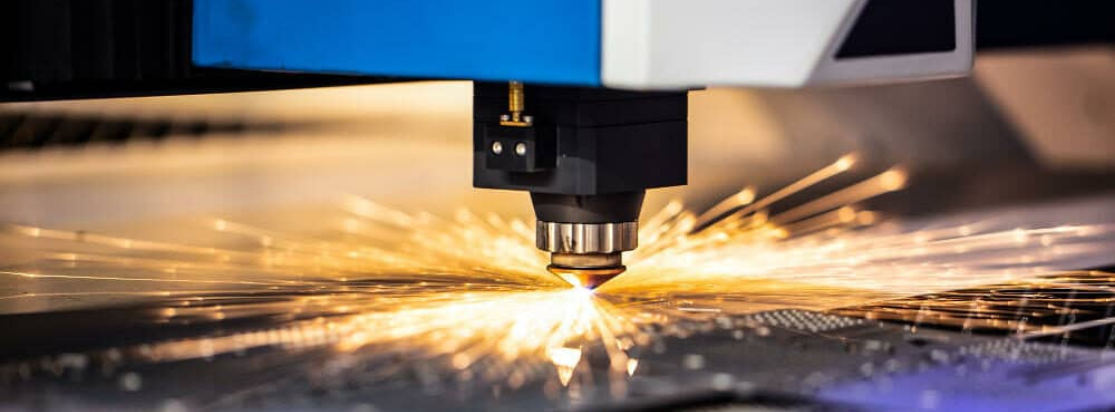
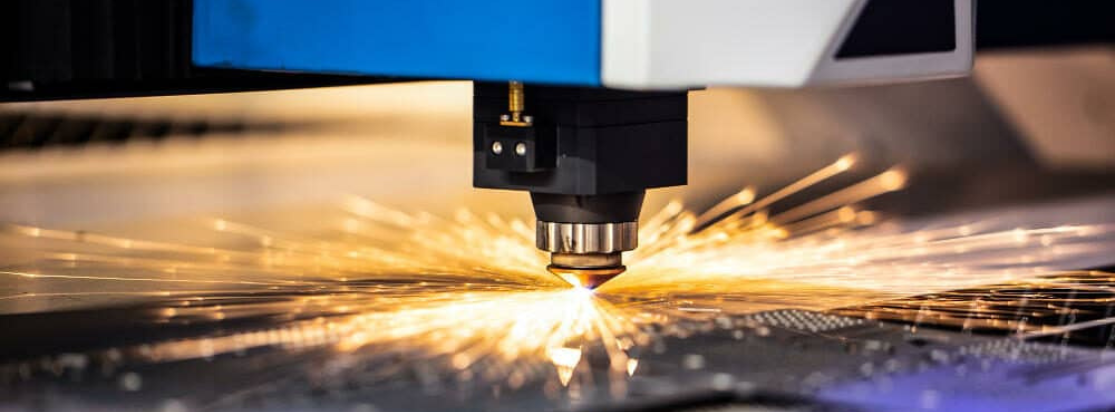
Boilermaking is a vital pillar across many industrial sectors, directly impacting the durability and efficiency of metal structures. Whether in civil engineering or aerospace, each industry has specific requirements that dictate the most suitable boilermaking solutions. This article explores how these needs vary depending on the industry, the types of services offered by boilermaking companies, and the essential skills and selection criteria for choosing the right service provider.
I. Importance of Boilermaking in the Oil and Gas Industry
In the oil and gas sector, boilermaking plays a key role in ensuring industrial safety. Metal structures must be designed to withstand extreme conditions such as high pressure and corrosion. A design or welding failure can lead to catastrophic consequences, posing serious safety risks and incurring significant financial losses. Strict safety standards demand careful attention at every stage, from material selection to the implementation of fabrication techniques.
1. Safety Requirements and Pressure Resistance
Safety is a top priority in the oil and gas industry, where structures must endure high pressures. Boilermaking companies must have deep expertise to design systems capable of handling these conditions without compromising structural integrity. Errors can result in leaks or ruptures, increasing the risk of major accidents.
2. Managing Corrosion and Extreme Conditions
Corrosion is a major challenge in this sector. Structures exposed to corrosive environments—such as saltwater or aggressive chemicals—require corrosion-resistant materials to ensure long-term reliability. Boilermakers must be skilled in selecting specific alloys and applying surface treatment techniques to extend equipment lifespan.
II. The Role of Boilermaking in Shipbuilding
The shipbuilding industry relies heavily on boilermaking to construct robust, long-lasting vessels. Welders work on components that must withstand not only daily wear but also the harsh marine environment.
1. Resistance to Saltwater Exposure
Saltwater is highly corrosive, requiring marine structures to be built with corrosion-resistant materials. Boilermaking companies must carefully select metals and manufacturing processes to ensure vessels can withstand years of exposure without degradation.
2. Strength and Durability Against Natural Elements
Ships are constantly exposed to natural forces such as storms and high winds. The strength of metal structures is essential for ensuring safety and durability. Boilermaking plays a key role in creating these structures using advanced welding techniques to produce strong, long-lasting assemblies.
III. Types of Services Offered by Boilermaking Companies
Boilermaking companies offer a wide range of services—from fabrication to maintenance—tailored to the specific needs of each industrial sector. These services mainly include industrial piping and metalwork, each with unique material and skill requirements.
1. Industrial Piping: Importance of Material Selection
Industrial piping is crucial in sectors such as oil and gas, chemicals, and food processing. Each application imposes specific demands in terms of design, materials, and technical know-how. Material choice directly depends on the characteristics of the fluid being transported—whether corrosive liquids, aggressive chemicals, or high-pressure gases. Selecting compliant and resistant materials ensures system reliability, durability, and performance.
Alloy Selection for Various Fluids
Choosing the right alloy is critical to maintaining the integrity of piping systems. Boilermaking companies must have in-depth knowledge of material properties to select those that can withstand specific operational conditions, including corrosion resistance, high-pressure tolerance, and chemical compatibility.
2. Welding Techniques for Network Integrity
Welding is central to the fabrication of industrial piping. Various welding methods—such as MIG, TIG, or arc welding—are used depending on the application. Mastering these techniques ensures strong, durable joints that prevent leaks and maintain operational safety.
IV. Metalwork and Maintenance of Metal Structures
Metalwork and the construction of metal structures represent a significant aspect of boilermaking. This includes fabricating frames for buildings and chassis for industrial machines, requiring expertise to ensure structural stability and long-term durability.
1. Construction and Stability of Frames and Chassis
Metal structures—such as beams and columns—must be precisely cut and welded to support heavy loads. Boilermakers must possess technical expertise to design and assemble these structures to withstand mechanical stress and maintain stability.
2. Importance of Scheduled Maintenance and Emergency Repairs
Planned maintenance is essential to prevent costly breakdowns and ensure continuous operation. Boilermaking companies offer preventive maintenance programs that identify and resolve issues before they escalate. In emergencies, rapid intervention minimizes downtime and associated financial losses while maintaining facility safety.
V. Skills and Selection Criteria for a Boilermaking Company
Choosing a boilermaking provider requires strict criteria to ensure high-quality work in full compliance with safety standards. The selected company must demonstrate solid technical expertise, including reading industrial blueprints, mastering various welding techniques, and having in-depth knowledge of materials (steel, stainless steel, aluminum, etc.). These competencies guarantee the reliability of the work, regardless of project complexity.
1. Technical Skills and Qualifications of Boilermakers
Boilermaker jobs require a specific set of skills and certifications to meet industrial project demands.
2. Blueprint Reading and Welding Proficiency
The ability to read and interpret technical blueprints is vital for accurately visualizing and fabricating parts according to specifications. This reduces error risk and ensures the final products meet customer expectations. Moreover, proficiency in welding techniques such as MIG, TIG, and arc welding is essential for producing solid, lasting assemblies.
3. Material Expertise and Compliance with Regulatory Certifications
Each boilermaking project requires the use of specific materials—from stainless steel to more complex technical alloys. A sound understanding of the physical and chemical properties of these materials is key to choosing the right one for each application. Additionally, highly regulated industries like nuclear and petrochemicals demand strict certifications to ensure quality and safety.
VI. Key Criteria for Selecting a Boilermaking Provider
Choosing the right boilermaking partner should be based on several key criteria: experience, technical expertise, and market reputation.
1. The Importance of Experience, Expertise, and Reputation
Selecting a company with extensive experience in your specific industry is a true indicator of quality. This expertise provides a deep understanding of sector-specific challenges and enables tailored solutions. A provider’s reputation can be assessed through client testimonials, completed projects, and references, offering insight into reliability and technical capabilities.
2. Technological Innovation and Equipment Modernization
Companies that invest in advanced technologies show a strong ability to meet current market demands. The use of CNC machines and automated solutions for cutting and assembly allows for complex operations to be carried out with high precision. This modernization results in higher manufacturing quality and significant productivity gains.
Industrial boilermaking plays a central role in the fabrication and maintenance of metal structures. To choose the right partner, it is essential to clearly define your needs, assess the technical competencies offered, and verify compliance with current standards. Working with a specialized company helps optimize installation durability, enhance process efficiency, and ensure equipment safety in the most demanding environments.