Français



_11zon.webp)


_14_11zon.webp)
_6_11zon.webp)



Welding equipment: understanding the essential tools for working properly
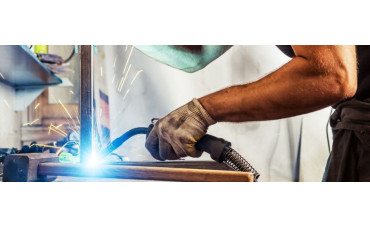
Welding equipment includes all the items used to prepare, assemble, protect, hold, inspect or improve welding operations. It is not limited to the welding machine: it also includes torches, consumables, filler metals, accessories, welding tables, protective equipment, extraction systems, preparation tools and workstation layout solutions.
This blog category aims to help you better understand the role of each piece of equipment in a professional welding environment. The goal is not only to choose equipment, but also to understand how each element contributes to weld bead quality, operator safety, working comfort and productivity in the workshop or on site.
Why is it important to choose the right welding equipment?
The choice of equipment directly influences the precision, consistency and safety of welding work. A suitable welding machine, compatible consumables, proper workpiece preparation and well-chosen accessories help limit defects, reduce rework and improve the final quality of the assembly.
Conversely, equipment that is incorrectly sized or unsuitable for the application can lead to setting difficulties, premature consumable wear, spatter, lack of fusion, poor ergonomics or wasted time during the operation. This is why it is important to reason according to the process used, the material being worked, the thickness of the parts, the frequency of use and the working environment.
Welding machines, accessories and consumables: a coherent set
A welding machine never works alone. To achieve a reliable result, it must be combined with the right accessories and consumables: torch, earth cable, electrodes, welding wire, filler metal, nozzles, feed rollers, tungsten electrodes, shielding gas or wear parts. Each element must be compatible with the process used, whether TIG, MIG/MAG, ARC/MMA or laser welding.
Consumables play an important role in arc stability, weld pool quality and weld bead appearance. Their choice depends on the base metal, welding position, expected strength level and type of application. Proper selection helps improve efficiency and achieve more consistent welds.
Tables, supports and workstation layout
Welding equipment also includes items that make positioning and preparing parts easier. Welding tables, supports, clamping accessories, squares, stops and holding systems help stabilise assemblies, improve precision and reduce positioning errors.
A well-organised workstation contributes to welding quality, but also to operator comfort. Ergonomics, working height, tool accessibility, movement around the part and the stability of the elements to be welded are important criteria, especially for repetitive work or long workshop sessions.
Preparation tools and inspection before welding
Before welding, it is often necessary to measure, mark, cut, grind, chamfer, clean or position the parts. Preparation tools make it possible to carry out these steps in good conditions in order to obtain a clean assembly suited to the chosen process.
Preparation has a direct influence on the final quality of the weld. A contaminated surface, an inaccurate cut, poor alignment or an incorrectly held part can lead to defects or require rework. Inspection, positioning and preparation tools must therefore be included in the overall choice of welding equipment.
Safety, fume extraction and welder protection
Welding equipment must also be chosen with safety in mind. Welding operations can generate fumes, radiation, spatter, heat, noise or electrical risks. Personal protective equipment, ventilation and extraction systems therefore play an essential role in workstation organisation.
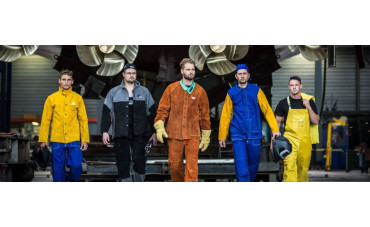
A welding helmet, gloves, protective clothing, safety footwear, respiratory protection and fume extraction solutions must be adapted to the process used and the working environment. Good prevention helps protect the welder, nearby personnel and the quality of the workspace.
Choosing equipment according to professional use
The right equipment always depends on the actual use. A workshop carrying out regular welds on steel will not have the same needs as a professional working on site, a pipefitter working on stainless steel or a maintenance department carrying out occasional repairs. Intensity level, mobility, expected precision and frequency of use must guide the choice.
It is also important to consider maintenance and the availability of wear parts. Well-maintained equipment, with suitable accessories and available consumables, helps limit interruptions and maintain good performance over time.
Our advice to better understand welding equipment
Through this category, HD Soudage helps you understand the equipment used around welding. You will find advice on welding machines, consumables, filler metals, welding tables, accessories, ergonomics, safety, tooling and workstation organisation.
Whether you are a welder, boiler maker, metalworker, pipefitter, maintenance technician, workshop manager or industrial buyer, this section will help you better understand essential equipment and choose materials that are coherent with your professional applications.