
 Français



_11zon.webp)


_14_11zon.webp)
_6_11zon.webp)



Optimize professional welding with a gas-saving regulator
- Nada Iddouch
- 08 Jan, 2026
- Oxy-fuel cutting
Optimizing Welding Performance with a Gas-Saving Regulator
Improving Weld Quality Through Optimized Arc Ignition
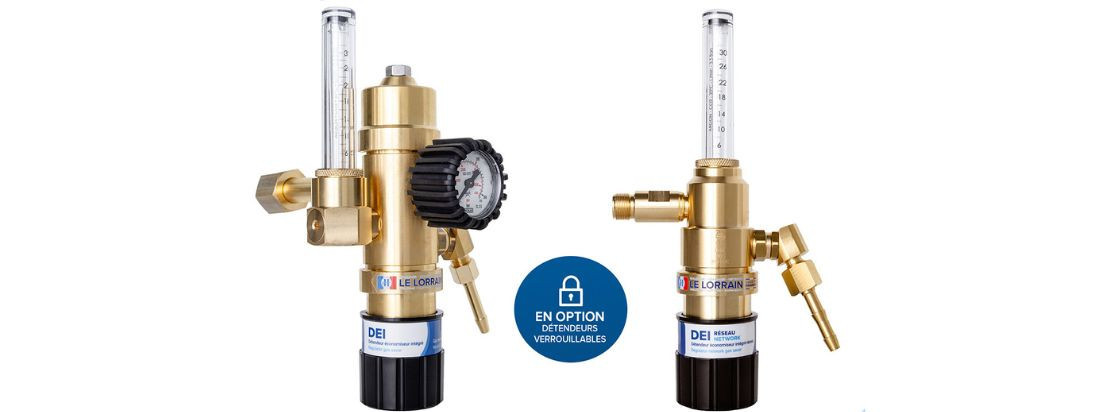
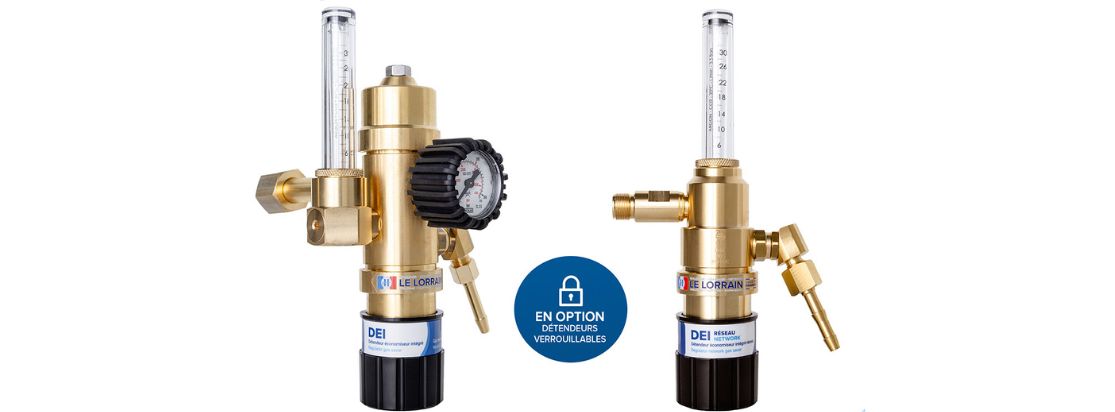
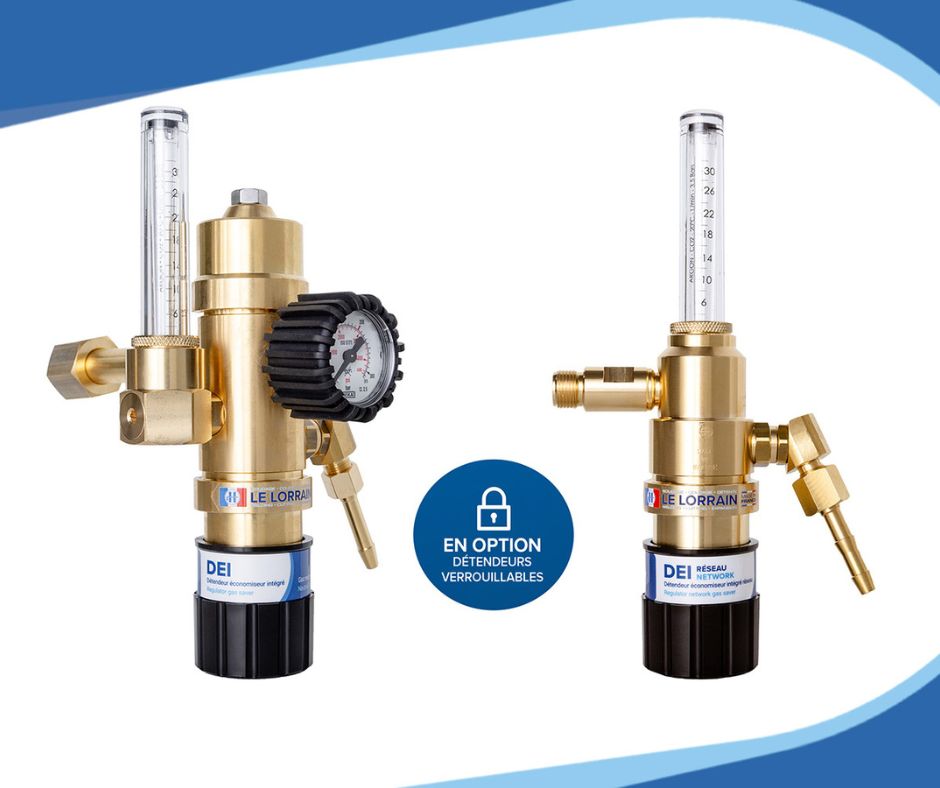
Professional welders constantly face the challenge of achieving precise and consistent arc ignition, a prerequisite for defect-free welds. Integrating a gas-saving regulator proves decisive in improving this critical stage of the process. When a double-stage regulator with an integrated gas-saving device effectively limits the pressure trapped in the hoses, it significantly reduces the risk of gas surge at start-up. This pressure control ensures a smooth and progressive power increase, even during low-amperage welding operations.
In practical terms, optimal damping of pressure fluctuations results in superior weld bead stability from the very first arc strike, whether during MIG/MAG welding on steel or stainless steel, or during delicate operations such as tack welding on metal reinforcements. Reducing the volume of trapped gas in the hoses by a factor of four not only helps prevent unwanted spatter, but also eliminates typical start-up defects such as porosity, gas inclusions, or incomplete fusion.
Flow adaptability—precisely adjustable via a graduated column (rotameter) up to 30 liters per minute—allows real-time adjustment of the gas flow according to each application. This fine control promotes an ideal protective atmosphere around the molten pool from ignition, thereby reducing the need for rework and touch-ups.
Reducing Operating Costs Through Gas Savings
Rigorous gas management is a major economic lever for any welding workshop. With a regulator featuring an efficient gas-saving system, it becomes possible to drastically reduce consumption without compromising technical quality. Tests conducted with industrial users demonstrate effective savings of up to 55% on certain specific processes such as tack welding or repetitive welding on thin structures.
This performance stems directly from the automatic limitation of losses during interruptions: when the welding unit is stopped and restarted, only a minimal fraction of the pressurized gas in the lines is released unnecessarily. The result? Less waste between each session and optimal use of every cubic meter delivered.
Across several typical cycles (e.g., light fabrication work), it is observed that a standard Argon/CO₂ cylinder can supply more operations before replacement. This advantage translates immediately into a noticeable reduction in monthly operating costs related to gas purchases and logistics.
Beyond the direct financial benefit for the user company, this significant reduction also has a positive impact on the overall environmental footprint: less gas consumed means fewer indirect emissions related to the transport and packaging of industrial gas cylinders.
To ensure these substantial savings while maintaining consistent quality, it is essential that the flow rate be adjustable via a clear and intuitive display (for example, a ball-type flowmeter column from 0–40 l/min), making every adjustment accessible even in demanding industrial environments.
Reliability and Efficiency of the Gas-Saving Regulator in Welding Environments
Robust Design for Long-Term Durability
In workshops where high temperatures, metal dust, and repeated handling are the norm, only equipment designed with stringent requirements can truly withstand long-term use. The strategic choice of materials used in manufacturing the gas-saving regulator plays a fundamental role here: alloys with high resistance to both thermal and mechanical shocks significantly extend its operational lifespan.
Strict quality control—systematically applied to each unit before shipment—eliminates any potential defects that could disrupt regulation or cause premature failure. This rigorous industrial approach provides professionals with the assurance that every installed unit genuinely meets the severe standards imposed by their trade.
The careful integration of internal components considerably reduces the need for regular maintenance or premature replacement; in concrete terms, this results in fewer unexpected machine stoppages and therefore a high level of operational availability for all types of activities, from heavy structural welding to precision assembly on mobile job sites.
This higher level of robustness also directly benefits the overall pneumatic circuit: less stressed thanks to perfect control of internal pressures during all active or inactive phases of the welding unit, it retains its original functional properties for longer without generating leaks or premature wear.
Stability and Safety of the Gas Supply
Safety always occupies a central place in any installation dedicated to gas-shielded metalworking. A continuous and perfectly controlled gas supply not only helps prevent surges that could damage torches or fittings, but also protects operators and sensitive equipment in the vicinity of the welding station.
The integrated double-stage system fulfills two essential and complementary functions:
- First stage: controlled pressure reduction from 200 bar at the cylinder down to a constant 3.5 bar, ensuring reliable supply for each sequence;
- Second stage, equipped with an anti-surge device, strictly limiting any sudden variations during frequent stops and restarts inherent to modern industrial processes.
This rigorous control guarantees that the professional welder’s arc will always benefit—regardless of imposed production rates—from a stable environment, conducive both to personal safety and to strict compliance with the end customer’s specifications, in both visual and mechanical terms.
Traditional risks associated with abrupt fluctuations are thus virtually eliminated: no unexpected interruption alters either the metal structure or the final appearance of the weld. It becomes possible not only to accelerate certain production cycles, but above all to ensure long-term reliability of technical results on sensitive materials or in serial production.
Finally, this precise management allows for all types of quick adjustments via clear and suitable interfaces (notably the graduated rotameter column), making any optimal configuration easily reproducible, regardless of the job site or the material being processed.
Investing in a double-stage gas-saving regulator with an integrated system now represents far more than a simple technical upgrade: it is a sustainable choice for high performance, tangible savings, and maximum safety on every modern industrial welding operation.
For personalized advice tailored to your specific activity, or to request a detailed quotation for these proven solutions, contact our specialized team today.
Let’s talk about your project
An industry expert will respond within 24 business hours.
A gas-saving regulator is a device used in welding to control gas pressure and flow. It works by limiting the pressure trapped in the hoses, which reduces the risk of gas surge during arc ignition and allows for a smooth, progressive power increase.
It improves weld quality by stabilizing the weld bead from the moment of arc ignition, reducing defects such as porosity and gas inclusions. It also ensures an ideal protective atmosphere around the molten pool.
By limiting gas losses during interruptions, it can reduce gas consumption by up to 55%, thereby lowering costs related to gas purchases and logistics.
Gas-saving regulators are manufactured using alloys with high resistance to thermal and mechanical shocks, ensuring enhanced durability in demanding environments.
It provides a stable and controlled gas supply, preventing pressure surges and thereby protecting operators and sensitive equipment around the welding station.
Yes, the gas flow can be precisely adjusted via a graduated column, allowing the flow rate to be adapted to the specific requirements of each welding application.
Investing in a double-stage gas-saving regulator delivers high performance, tangible cost savings, and maximum safety, making it a sound choice for industrial welding professionals.