
 Français



_11zon.webp)


_14_11zon.webp)
_6_11zon.webp)



Industrial Automation in France: Practices & Social Impact
- Nada Iddouch
- 22 Jan, 2026
- News and innovations
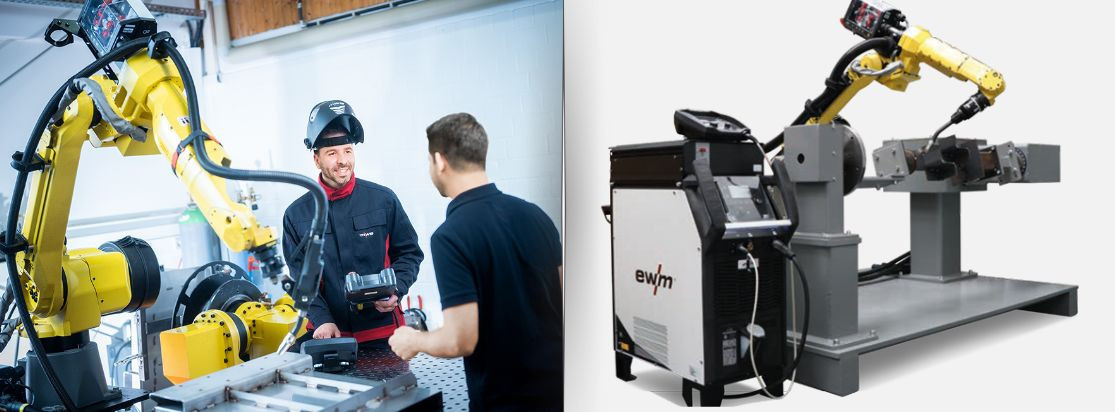
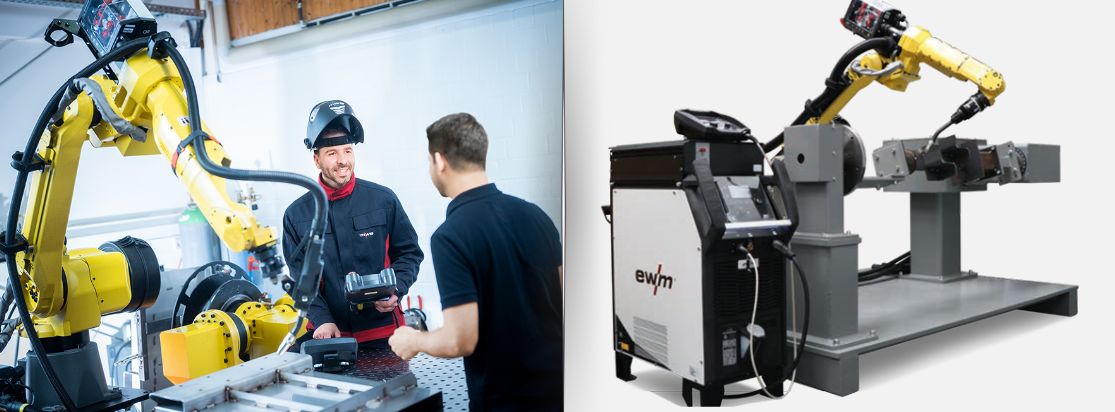
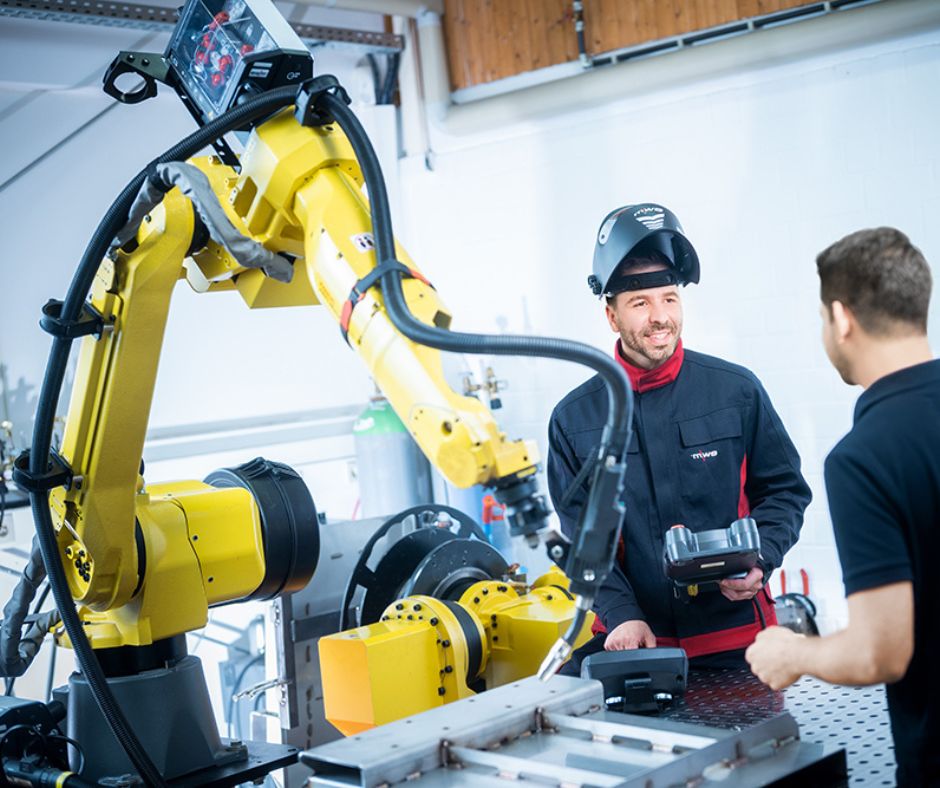
Transformation of Industrial Practices in France Through Automation
Changing Perceptions of Automation in the Industrial Sector
French industry is undergoing a profound transformation. Automation, long associated with fears of job losses, is now changing its image in workshops and factories. Professionals are now reporting growing enthusiasm for these technologies. A study conducted among 2,000 European industry players, including a large French sample, shows that nearly 84% welcome the arrival of collaborative robots in their workplace.
Past concerns are giving way to a more positive outlook. Today, robotization is seen as a driver for improving productivity and working conditions. This shift can be explained by tangible benefits observed in the field: reduced physical strain, consistent quality, and rapid adaptation to market needs.
Companies of all sizes feel concerned—small businesses, SMEs, and major industrial groups alike. Each seeks to leverage automated solutions to gain competitiveness without sacrificing the human element. This change in mindset marks a decisive stage in the history of French industry.
Impact of Cobots on Industrial Competitiveness and Efficiency
Collaborative robots play a central role in this new dynamic. Their design facilitates integration within existing teams: it is no longer necessary to rely on highly specialized experts to operate or maintain these machines. Their ease of use allows French companies to take the step toward automation more readily.
In an economic environment shaped by energy challenges and intense international competition, industrial players see these tools as an essential strategic solution. Cobots increase production pace while ensuring high precision in repetitive or delicate tasks. They therefore meet the market’s growing demands in terms of lead times and quality.
Competitiveness thus becomes an achievable goal even for organizations that have traditionally been less automated. Thanks to this technology, processes can be optimized rapidly while maintaining flexibility and responsiveness to sectoral or economic changes.
At a time when every gain matters—whether energy-related or organizational—automation is emerging as a national priority to support the growth of French industry.
Economic and Social Implications of Automation in France
Influence of Automation on the Labor Market
The first quantified feedback now contradicts the hypothesis of massive job destruction linked to industrial automation. According to data collected from surveyed French professionals, the deployment of automated technologies could instead result in a net increase in employment.
This trend can be explained by several converging factors: the overall increase in activity made possible by automation, the emergence of new occupations related to the programming and maintenance of robotic systems, and the development of roles dedicated to managing and supervising automated production lines.
Experience thus shows that these technologies do not lead to the systematic elimination of existing positions, but rather generate a dynamic of transformation: upskilling of operators toward analytical and supervisory roles, the gradual emergence of hybrid jobs combining manual expertise with digital skills, and the enhanced value of profiles capable of interacting effectively with intelligent tools.
A labor market is therefore taking shape—one that is progressively enriched rather than diminished by this new technological wave within French industry.
Role of Automation Technologies in Addressing Demographic Challenges
Demographic pressures weigh heavily on the French manufacturing sector: rapid aging of skilled personnel and increasing difficulties in recruitment amid mass retirements. In this unprecedented context, the widespread introduction of cobots provides a concrete response to the challenges posed by this generational transition.
These robotic assistants make it possible to maintain (or even improve) overall productivity levels despite a reduced or aging workforce. By easing physically demanding tasks while enhancing workplace safety, they also contribute to daily well-being on the shop floor.
Moreover, their operational flexibility enables rapid adaptation to cyclical fluctuations driven either by customer demand or available human resources. For many French companies simultaneously facing a chronic shortage of skilled labor and a constant need for productive innovation, this represents a major lever not only for survival but also for future growth.
Finally, this technological transition naturally supports those who wish to move toward greater professional versatility while maintaining a strong connection to their traditional industrial environment.
The rapid rise of automated solutions is durably transforming the national industrial landscape: significant improvements in overall efficiency, renewed social recognition of modernized manufacturing professions, and a strengthened ability to respond effectively to inevitable demographic shifts. Companies seeking to anticipate these changes can already turn to expert advice or tailored cost assessments to confidently structure their own collaborative robotics strategy.
Let’s talk about your project
An industry expert will respond within 24 business hours.
Industrial automation refers to the use of technologies such as robots and computerized systems to carry out production tasks with minimal human intervention, thereby improving productivity and efficiency.
Contrary to initial fears, automation could increase the number of jobs in France by creating new roles related to the programming, maintenance, and supervision of automated systems.
A cobot, or collaborative robot, is a robot designed to work alongside humans. It is easy to use and can be integrated into existing teams to improve efficiency and precision in repetitive tasks.
Cobots help companies improve their competitiveness by increasing production speed while maintaining high precision. They also make it possible to optimize processes while offering flexibility and responsiveness.
No, automation does not necessarily lead to the elimination of existing jobs. Instead, it transforms the labor market by encouraging upskilling and the emergence of new professions.
Automation, through the use of cobots, makes it possible to maintain productivity despite an aging and shrinking workforce by reducing physical strain and ensuring workplace safety.
Automation is now viewed positively because it improves productivity and working conditions, meets market needs, and allows companies to remain competitive without sacrificing the human element.