I. Understanding Welding Defects: Types and Causes
In the field of welding, welding defects represent a major challenge. These imperfections, which occur during the process of fusing two metal parts, can compromise the structural integrity and durability of the workpiece. Understanding these defects is essential to ensure high-quality welds. In this article, we will examine the most common types of welding defects and their causes.
1. The Different Types of Welding Defects
1.1 Porosity: Causes and Consequences
Porosity is a common defect characterized by the presence of gas bubbles trapped in the molten metal. These bubbles weaken the weld, making it more susceptible to cracking and corrosion. The main causes of porosity include inadequate shielding gas coverage, contamination from moisture, poor welding technique, and impurities in the base or filler metal. Excessive welding speed or improper electrode handling can also contribute to this problem. Porosity can have serious consequences, including reduced mechanical strength and weld lifespan.
1.2 Cracks: Types and Origins
Among the most common welding defects, cracks pose a significant structural risk. They usually appear in the molten metal or in the heat-affected zone (HAZ) and can affect the quality and durability of the welded assembly.
Cracks in welds are among the most critical defects that can compromise the mechanical strength and durability of joints. They are often caused by high stress levels, inadequate cooling, improper heat treatment, or poor welding technique.
There are several types of cracks:
- Longitudinal cracks: These develop parallel to the weld line and weaken the entire length of the welded joint.
- Transverse cracks: Perpendicular to the weld, they create localized weak points.
- Crater cracks: These often appear at the end of a weld bead due to poor termination.
Common causes of these defects include excessive stress in the heat-affected zone (HAZ), poorly adjusted welding parameters (such as too high current or inadequate travel speed), and insufficient thermal control before, during, or after welding.
2. Common Causes of Welding Defects
2.1 Material Contamination: The Importance of Cleanliness
Material contamination is one of the main causes of welding defects. The presence of undesirable substances such as moisture, oil, grease, or other impurities can lead to severe defects like porosity, inclusions, or cracks.
To ensure welding quality, the base metal, filler metal, and shielding gas must be completely free from any form of contamination. This requires thorough cleaning of metal surfaces to prevent any adverse reactions during the welding process.
2.2 Incorrect Welding Parameters: Mistakes to Avoid
Poorly adjusted welding parameters such as voltage, current, or travel speed can result in critical defects in the weld bead.
For example:
- Insufficient heat input can cause lack of fusion between the filler and base metal, resulting in a weak weld.
- On the other hand, excessive heat input can cause burn-through, distortions, or even collapse of the weld pool.
To ensure a quality weld, parameters must be precisely adjusted based on:
- The type of material (steel, stainless steel, aluminum, etc.),
- The welding position (flat, horizontal, vertical…),
- The joint configuration (butt, T-joint, lap, etc.).
II. Preventing Welding Defects: Techniques and Best Practices
To ensure high-quality welds, it is essential to implement effective prevention techniques. These include using appropriate welding techniques and performing thorough equipment checks.
1. Proper Welding Techniques
1.1 Joint Preparation: Essential Steps
Proper joint preparation is a key step to avoiding welding defects. This includes cleaning surfaces to remove any contamination and aligning the edges of the parts to be welded to ensure optimal penetration and fusion. Good joint preparation helps avoid issues such as lack of fusion or incomplete penetration.
1.2 Material Selection and Heat Input Control
The choice of welding materials and control of heat input are also essential in preventing defects. Using the appropriate filler metal and maintaining adequate heat input ensure proper fusion of the weld metal with the base metal. This reduces the risk of defects such as cracks and porosity.
2. Equipment Control and Maintenance
2.1 Regular Inspection of Welding Equipment
Regular maintenance of welding equipment is necessary to prevent defects due to malfunction. This includes checking power sources, torches, and consumables to ensure they are functioning properly and are not excessively worn.
2.2 Adjusting Welding Parameters to Avoid Defects
Precise adjustment of welding parameters is essential to ensure strong, defect-free joints. Each application requires a suitable configuration, including adjustment of voltage, current, and travel speed, depending on the material type and joint geometry.
Proper calibration helps prevent common defects such as lack of fusion, base metal burn-through, or penetration issues. Adapting settings to the specific requirements of each weld is thus a key factor for performance and quality.
III. Detecting and Correcting Welding Defects
1. Visual Inspection and Non-Destructive Testing
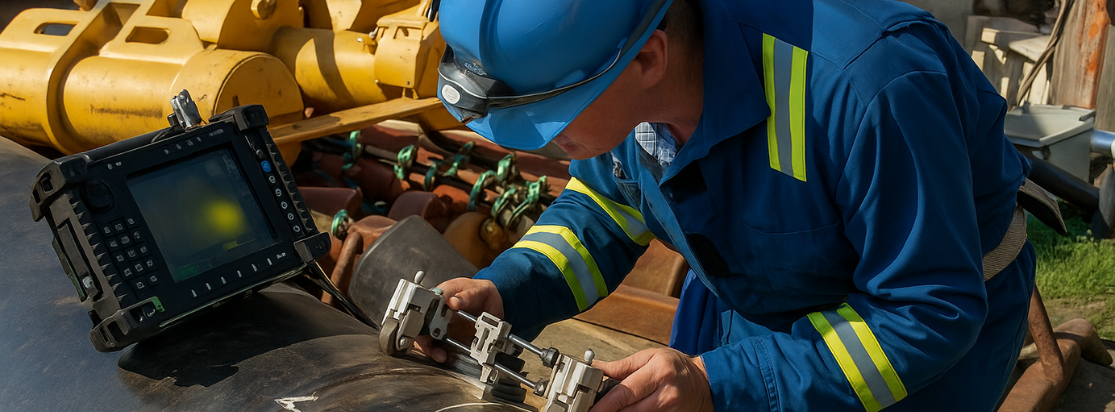
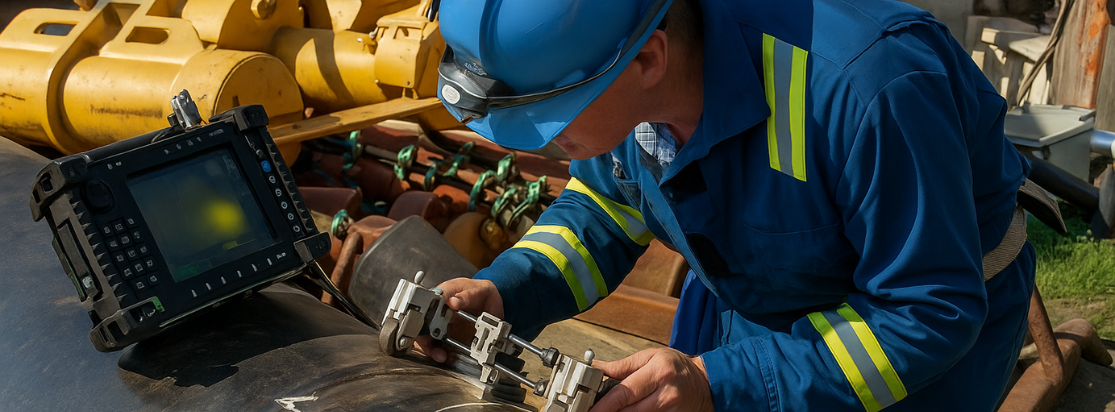
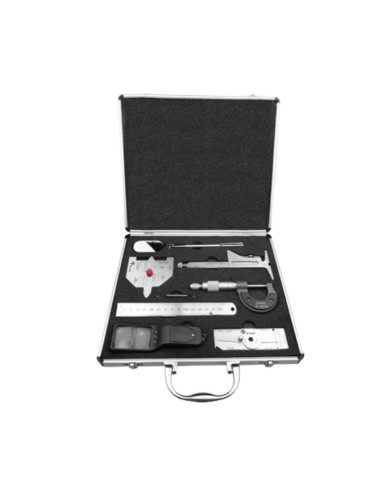
Visual inspection is the first step in detecting welding defects. It helps identify surface irregularities such as cracks and porosity. For deeper analysis, non-destructive testing methods such as dye penetrant inspection and magnetic particle inspection can be used to detect surface and near-surface defects.
2. Use of Radiography and Ultrasonic Testing
Radiographic and ultrasonic testing techniques are used to detect internal weld defects. These methods allow for visualization of hidden imperfections such as lack of fusion or slag inclusions, and help assess the internal quality of the weld.
3. Strategies for Correcting Defects
3.1 Remedies for Porosity and Cracks
To correct porosity, it is important to review welding techniques and ensure adequate shielding gas coverage. For cracks, adjusting welding parameters and using appropriate heat treatment are necessary to strengthen the weld.
3.2 Repairing Fusion and Penetration Defects
Fusion and penetration defects can be corrected by improving joint preparation and adjusting heat input. Particular attention should be paid to welding techniques and parameters to ensure proper fusion and prevent future failures.
In conclusion, mastering techniques for preventing, detecting, and correcting welding defects is essential to producing high-quality welds. Meticulous attention to detail and the application of good welding practices ensure the strength and reliability of welded structures.

 Français



_11zon.webp)


_14_11zon.webp)
_6_11zon.webp)