
 Français



_11zon.webp)


_14_11zon.webp)
_6_11zon.webp)



Maîtriser l’Oxycoupage : Sécurité, Préparation et Réglages Optimaux
- Anthony Micaud
- 25 Nov, 2025
- Oxy-fuel cutting
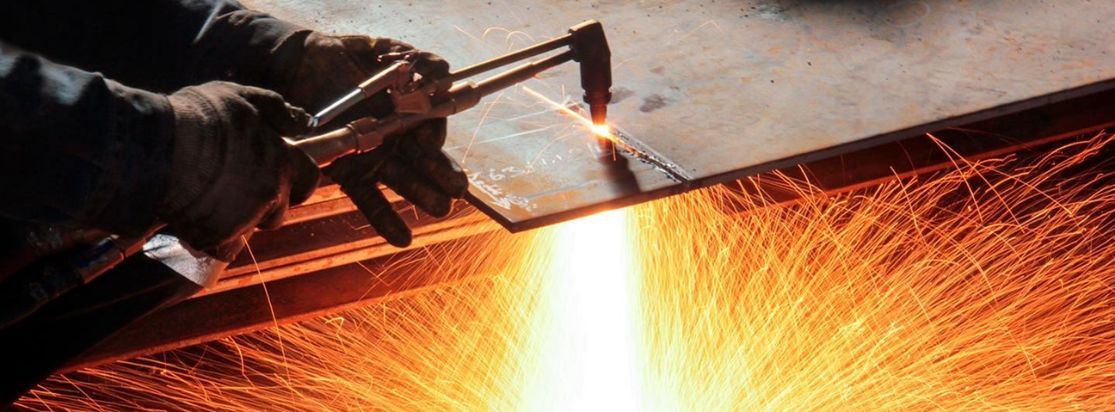
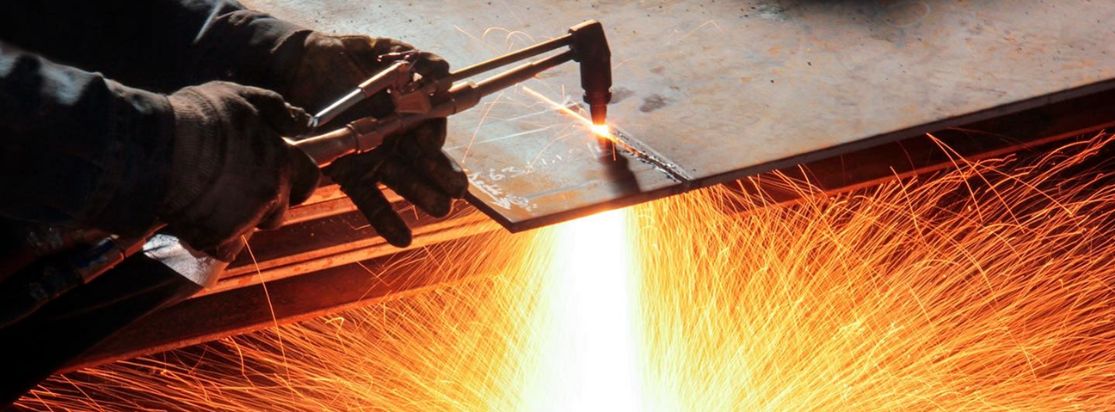
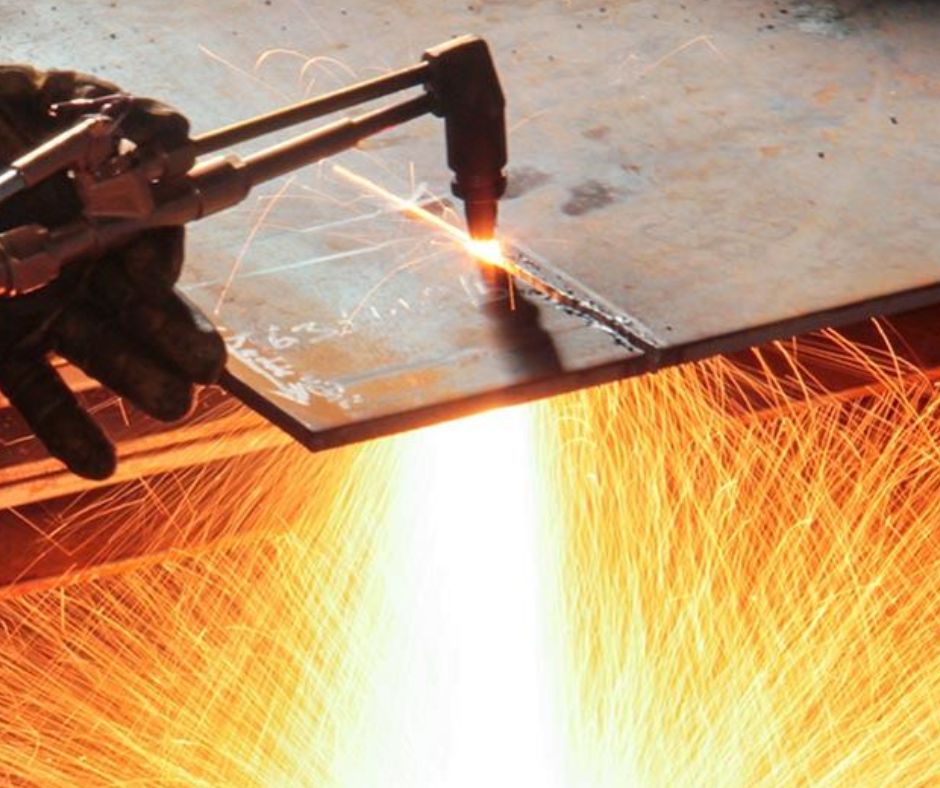
Oxy-fuel cutting has become an essential method for the precise cutting of metals. Used in many workshops and industrial sites, this process relies on the intense heat of a flame produced by the reaction between a fuel gas—usually acetylene—and pure oxygen. While this technique makes it possible to achieve clean cuts on various steels, it also presents major safety and adjustment challenges. Poor calibration or inadequate preparation can affect the quality of the work and even expose the operator to serious risks. To ensure reliable results while preserving the welder’s safety, each step must be performed with great care.
Safety Techniques and Preparation for Oxy-Fuel Cutting
Essential Personal Protective Equipment
Before even bringing the cutting torch close to a metal piece, operators must wear gear adapted to the specific hazards of the process. Flying incandescent sparks, intense light radiation, and extreme temperatures require complete protection.
Filtered goggles effectively protect against metal splashes as well as the intense radiation generated during the cutting process. Hands must be covered with heat-resistant gloves to prevent burns when handling equipment or hot fragments. As for the rest of the body, it is essential to wear thick, flame-retardant clothing that limits risks in case of projections or unexpected incidents.
A properly protected operator significantly reduces the likelihood of serious accidents; each piece of equipment—whether for the eyes, hands, or torso—plays a crucial role in preventing injuries.
Inspection and Preparation of the Equipment
A successful cut begins with a thorough inspection of the equipment used. The overall condition of the oxy-fuel torch must be checked visually: absence of visible leaks, clean tips, and smooth valve operation are all reassuring indicators. The hoses connecting the torch to the gas sources must show no cracks or crushing; their connection to the regulators must be perfectly airtight.
The regulators themselves—essential components for controlling the delivered pressure—require special attention: they must operate smoothly without jerks or abnormal fluctuations during initial tests. Finally, the cylinders containing oxygen or fuel gas (often acetylene) must be inspected regularly: checking their expiration date and ensuring they are securely positioned on-site helps avoid any risk related to tipping or pressure-related failure.
This preliminary inspection does more than simply prevent incidents: it also ensures that all components perform at their best throughout the job.
Optimizing Oxy-Fuel Cutting Through Proper Settings
Precise Adjustment of Gas Pressures
The success of an operation largely depends on carefully setting the pressures applied to both the fuel gas and pure oxygen. Each metal type and thickness requires its own specific adjustment: if the pressure is too low, the heat output is insufficient, making it difficult to cut through the material; if too high, it creates unnecessary turbulence, widens the cut, and increases risks.
To determine these optimal values quickly on-site, referring to the charts provided by manufacturers offers a clear advantage: these tables list the recommended acetylene and oxygen pressures for every configuration (material/type/torch). By following these precise technical guidelines, one obtains not only a cleaner cut but also reduces premature wear of the equipment.
This methodical approach minimizes unexpected variations when switching between different thicknesses—improving not only final quality but also overall workshop efficiency.
Ideal Flame Mix and Cutting Speed
Achieving an efficient flame relies on a subtle balance between oxygen supply and the flow of the chosen fuel gas. This ratio directly affects the visible shape—particularly the characteristic inner cone during preheating—but also the actual ability to heat rapidly to the critical point where the oxidizing cut begins.
Strictly following the manufacturer’s recommendations for this ratio is essential: incorrect proportions can cause incomplete combustion (weak flame) or excessive oxidation (hazardous for certain alloys). Once the optimal flame is visually obtained and tested for a few seconds on cold metal (preheating), the operator can begin the controlled movement needed for thermal cutting.
Regarding speed, each material has its own requirements: moving too fast causes bulges or incomplete cuts, while moving too slowly results in more slag adhering beneath the cut or causes local deformation of the cut edges. Experience is valuable, but following these parameters already helps achieve the clean, sharp finish required for demanding professional work.
Combining maximum safety with technical precision ensures both peace of mind and productivity for the operator during oxy-fuel cutting operations. A rigorous approach—from PPE selection to fine-tuning adjustments—guarantees not only physical safety but consistent excellence throughout each high-temperature cutting task.
Need personalised support or want to explore our full product range? Contact our specialists to get tailored advice or request your professional equipment quote based on your upcoming metalworking projects!
Let’s talk about your project
An industry expert will respond within 24 business hours.
Essential protective equipment includes filtered goggles, heat-resistant gloves, and thick flame-retardant clothing to protect against sparks, intense light radiation, and high temperatures.