Welding Fumes: A Newly Recognized Carcinogenic Threat and How to Combat It
Customer service: 03 28 65 01 08 (Mon–Fri, 9:00–12:30 / 14:00–17:30)
Free shipping on orders of €120 or more!
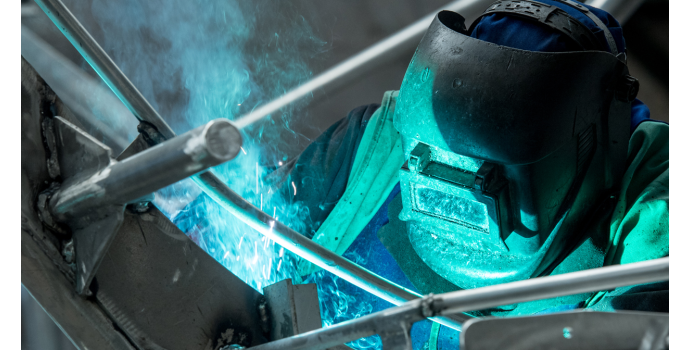
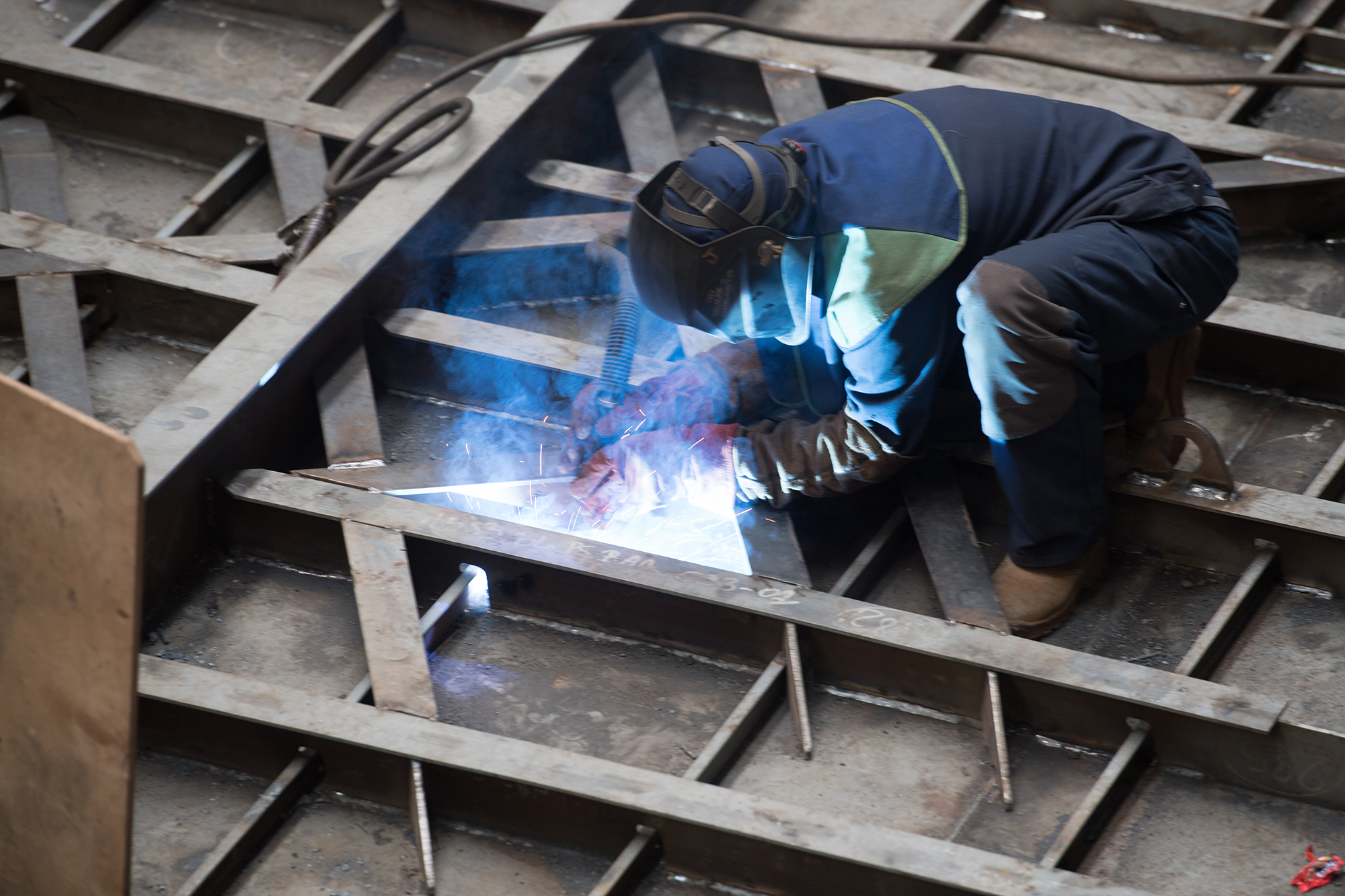
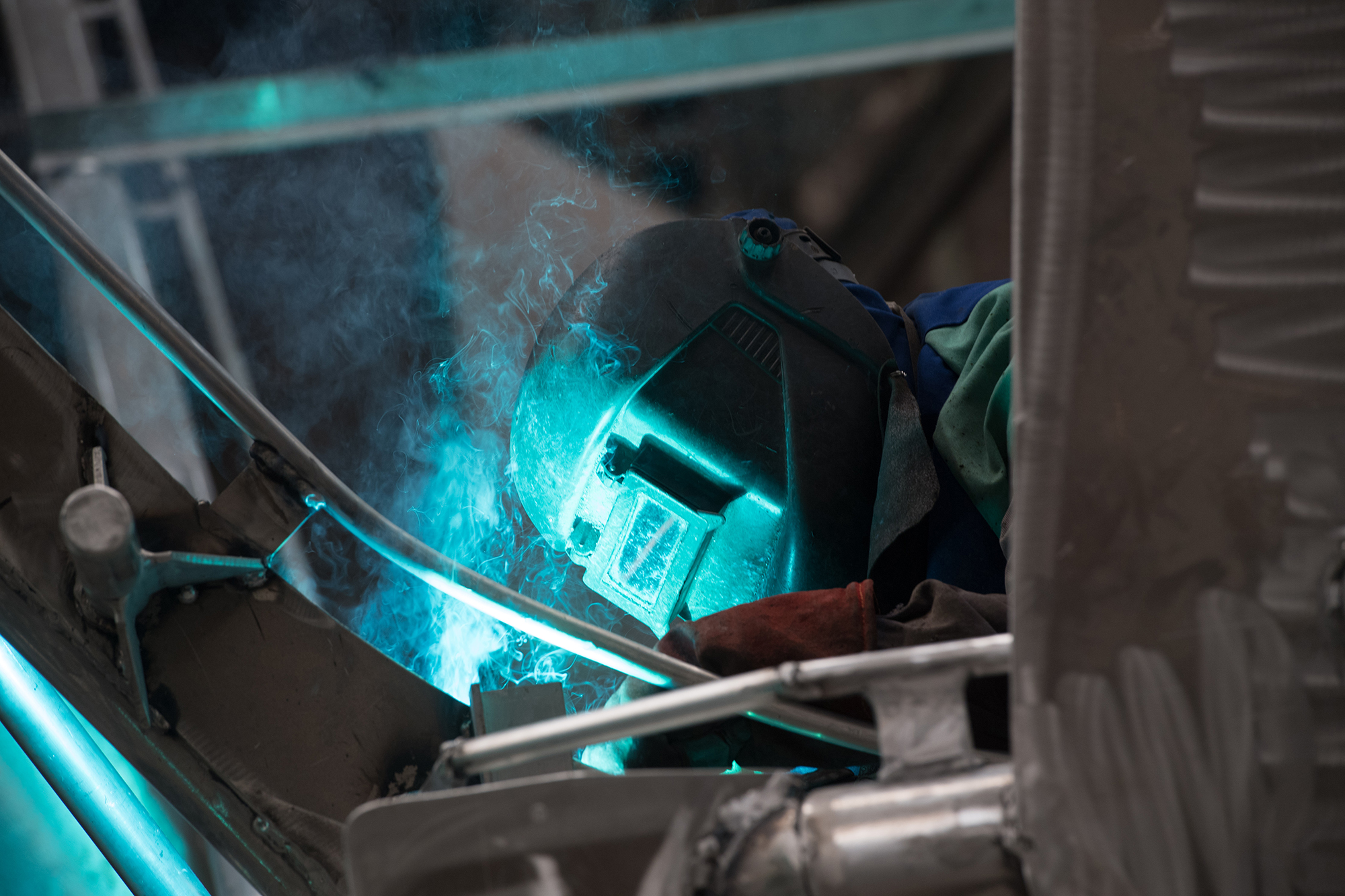
The International Agency for Research on Cancer (IARC) has recently updated the classification of welding fumes, now placing them in category 1 - carcinogenic to humans. This classification indicates that exposure to welding fumes significantly increases the risk of cancer. For welding professionals, this new information underscores the importance of taking adequate protective measures to preserve their health.
The solution to minimize these risks is both simple and effective: equipping oneself with suitable and efficient personal respiratory protection. Respiratory protection equipment, such as ventilated welding helmets, fume extractors, and localized ventilation systems, play a crucial role in reducing exposure to toxic fumes.
Welding fumes also have short-term effects as they can cause nausea, headaches, dizziness, and fevers. With repeated exposure, bronchitis, edema, and bone lesions can add to the chronic damage to the respiratory and nervous systems. Welding processes generate an aerosol of fine particles of very diverse natures (carcinogenic agents and other hazardous substances: chromium VI, cadmium, nickel, beryllium, cobalt, aluminum, lead, antimony, barium, copper, magnesium, titanium dioxide, silica…) and gases (carcinogenic agents and other hazardous substances: carbon monoxide, hydrogen cyanide, ozone, nitrogen dioxide, formaldehyde…).
For the employer, this means implementing appropriate risk prevention measures:
In practice, these actions are not always feasible and may have limited effectiveness.
The solution is to equip your welders with effective personal respiratory protection:
- Use powered air-purifying respirators with particle filters, in accordance with INRS recommendations.
- Regularly maintain these systems (see our recommendations on the back).
Start typing to see products you are looking for.