
 Français



_11zon.webp)


_14_11zon.webp)
_6_11zon.webp)



Welding: The European Directives Redefining Standards
- Nada Iddouch
- 19 Aug, 2025
- News and innovations
I. European Directives and Their Impact on Safety in the Welding Sector
In the welding sector, safety and quality are top priorities. European directives play a central role by establishing strict standards aimed at harmonizing practices across Europe. These regulations do more than just set rules; they transform the industry by ensuring that every welder, whether working in a small company or a large multinational, operates under optimal conditions.
1. Safety Standards: An Essential Pillar for Welders
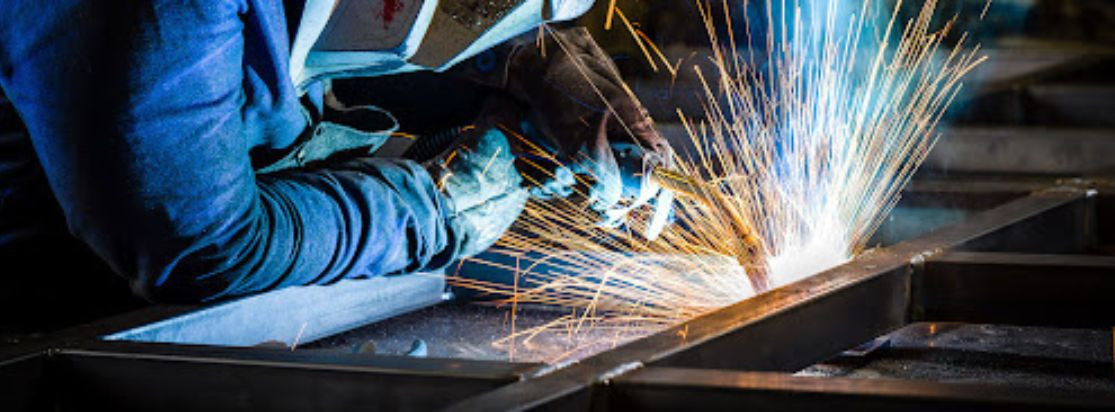
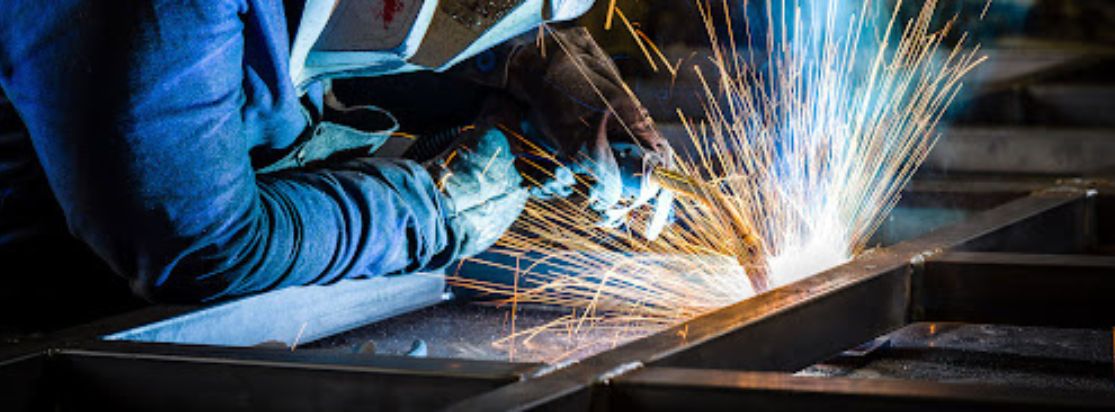
The safety of welders is a fundamental element of the European directives. These rules mandate the use of personal protective equipment (PPE) to shield workers from the inherent risks of their profession. Helmets, gloves, flame-resistant clothing, and respiratory masks are part of this safety arsenal. They are designed to prevent burns, inhalation of toxic fumes, and eye injuries, which are ever-present dangers in welding work.
In addition to equipment, the directives require the implementation of strict safety protocols. This includes regular training for welders on best practices to avoid accidents and clear procedures to follow in emergencies. Companies are encouraged to adopt safety management systems that allow for continuous monitoring and improvement of working conditions.
By investing in safety, companies not only protect their employees but also ensure their legal compliance with European directives, thereby creating a safer and more responsible work environment.
2. Continuous Training: Ensuring Competence and Safety for Professionals
Training is essential to ensure that welders meet safety standards. Training programs in Europe are designed to address the needs of professionals, offering courses that include regular updates on technologies and safe practices.
These training sessions are not limited to initial instruction. They also encompass continuous education, enabling welders to adapt to new technological innovations and evolving standards. Skill certification is often required to validate the techniques mastered by the welder, ensuring a high level of competence in their field.
Continuous adaptation is crucial to meet technological advancements and regulatory changes. In summary, the training of welders is a vital pillar in the pursuit of excellence within the European welding industry.
II. Towards an Eco-Friendly Welding Industry: Environmental Standards and Innovations
The welding industry is undergoing significant changes, with increasing attention being paid to the environmental impact of its practices. European directives aim to reduce this impact by promoting more eco-friendly processes and encouraging technological innovation.
1. Emission Reduction: A Priority for a Healthy Environment
Reducing polluting emissions is a major objective of the European directives in the welding sector. This involves limiting the release of fine particles and harmful gases, not only to protect the environment but also to minimize health risks for workers.
The integration of efficient ventilation systems and the adoption of "cleaner" welding processes have become essential. These measures enable workshops to comply with new environmental requirements while ensuring better protection for employees.
The management of hazardous substances is also a major concern. The directives impose strict traceability and classification of the chemicals used, with a clear intent to limit the use of materials deemed toxic. This approach is accompanied by recommendations on potentially safer substitutes and appropriate recycling practices.
2. Technological Innovation for Sustainable Welding
The rise of technology, particularly robotics and artificial intelligence, promises to improve the efficiency and sustainability of welding processes. These innovations not only help meet environmental standards but also optimize resource consumption.
Companies investing in these technologies are well-positioned to meet new regulatory requirements swiftly and effectively. Robotics, for example, offers solutions to enhance the precision of welds, thereby reducing material waste and minimizing defects.
The automation of welding processes also contributes to better compliance with safety and quality standards. By integrating these technologies, companies can not only reduce their carbon footprint but also improve their competitiveness in the European market.
III. Conclusion
European directives on welding shape the framework within which professionals operate, ensuring not only the safety and quality of products but also a reduced environmental impact. For companies, staying at the forefront of these requirements is essential to maintain a tradition of excellence and compliance. Staying informed and engaged is key to succeeding in an ever-evolving regulatory landscape. The future of the welding industry promises to be exciting, with growing opportunities for innovation and collaboration.
European directives establish strict safety standards that harmonize practices across Europe. They mandate the use of personal protective equipment (PPE) and the implementation of rigorous safety protocols to protect welders from occupational hazards.
The directives require the use of helmets, gloves, flame-resistant clothing, and respiratory masks to protect welders from burns, inhalation of toxic fumes, and eye injuries.
They promote continuous training to ensure welders are aware of the latest technologies and safety practices. Competency certification is often required to ensure a high level of skill.
The directives aim to reduce pollutant emissions by promoting more environmentally friendly welding processes, incorporating efficient ventilation systems, and encouraging the use of less toxic materials.
Innovation, particularly through robotics and artificial intelligence, enhances the efficiency and sustainability of welding processes, enabling compliance with environmental and safety standards while optimizing resource consumption.