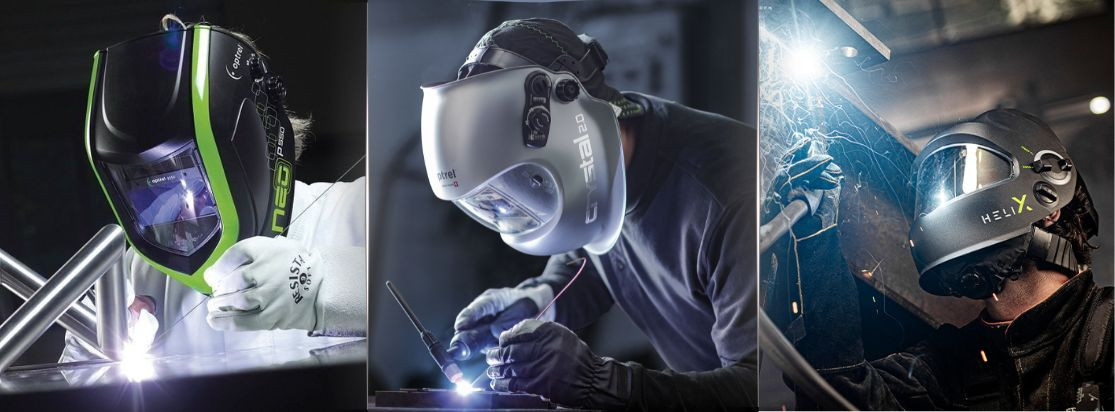
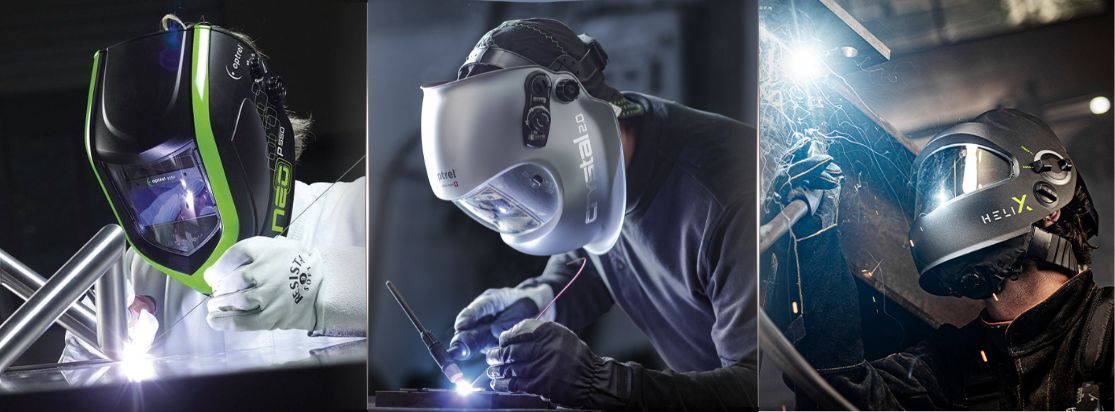
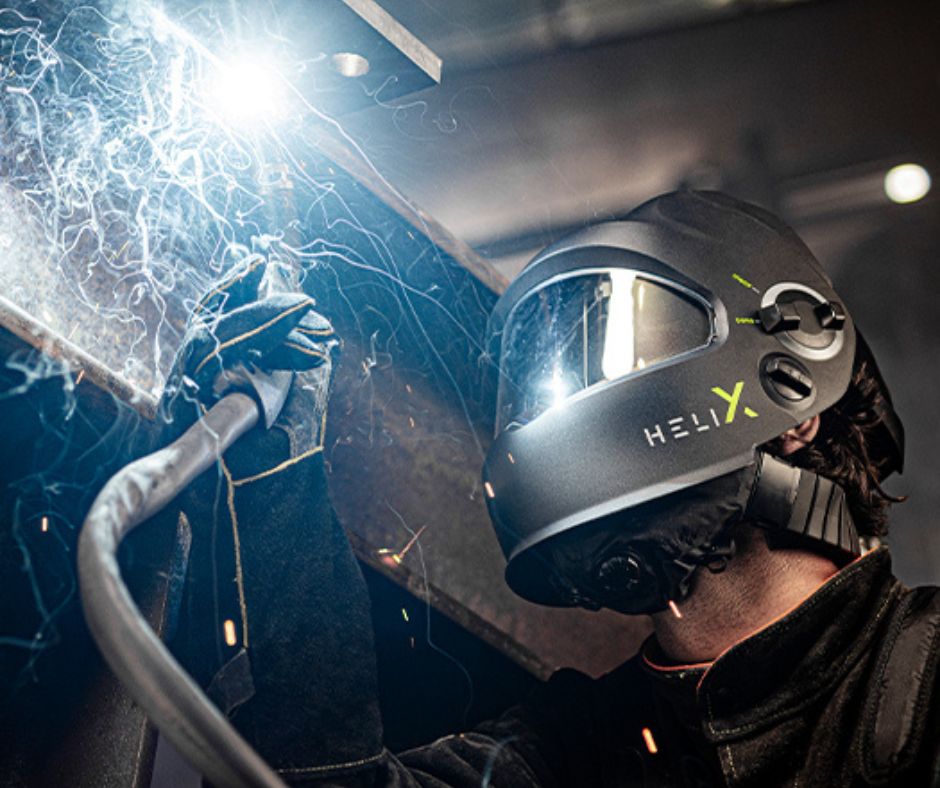
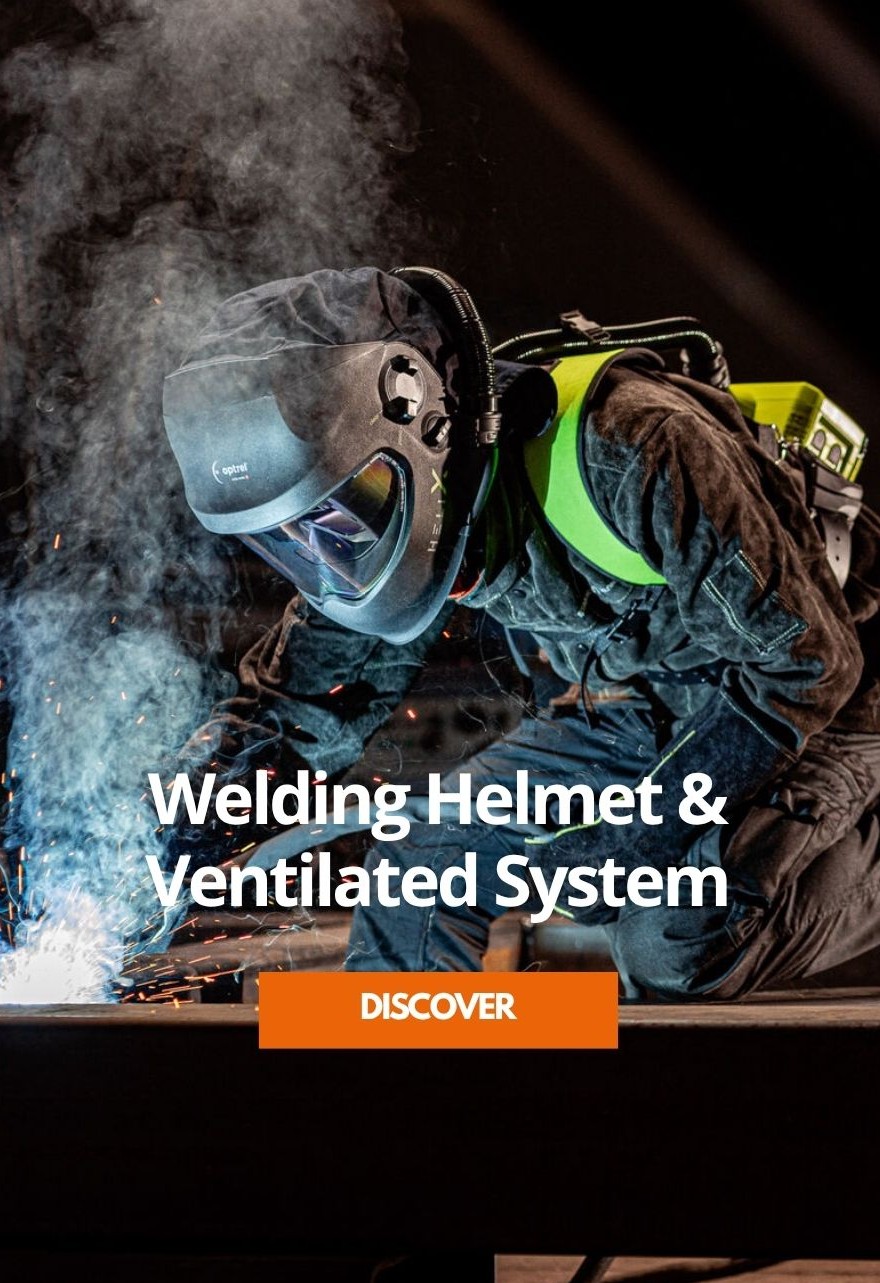
The choice of an appropriate welding helmet directly impacts the welder’s safety, work quality, and comfort. With the wide variety of models and technologies available, it’s essential to identify the criteria suited to each environment and welding type. A poor selection can lead to burns, eye strain, or fatigue during long sessions. Various elements such as fit, field of vision, and technological innovations radically transform the welder’s experience and efficiency.
Importance of Fit and Helmet Comfort
A flawless fit is the first defense against the inherent hazards of welding. An ill-fitting helmet allows UV rays, molten metal splashes, or sparks to reach the face and neck, causing potential injuries. The entire head, including the ears, must be fully enclosed by the shell.
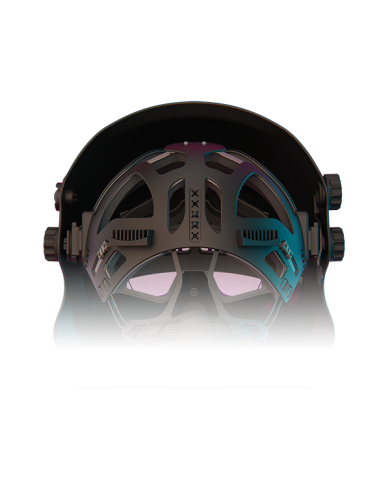
The ability to customize the tightening through advanced adjustment systems greatly affects comfort during long sessions. Solutions such as the IsoFit headgear stand out for their precise adaptability to each head shape. Adjusting the tension, height, and positioning ensures uniform support without excessive pressure points while preventing the helmet from slipping when the welder tilts or raises their head.
A stable fit prevents distractions and reduces unwanted micro-movements that can hinder precision. Conversely, an unstable helmet requires frequent readjustments, leading to loss of focus and early fatigue.
Furthermore, helmet weight plays a major role in overall ergonomics. The latest models, despite featuring panoramic lenses or integrated systems, are remarkably lightweight, reducing neck strain after hours of use. Some include nose cutouts to reduce fog formation and promote natural ventilation under the shell.
Vision and Clarity: Optimizing the Viewing Area
The viewing area determines accuracy and ease during welding. A wide field of vision allows the welder to see the arc, the weld pool, and the workpiece at a glance, making quick adjustments and error detection easier. This configuration is particularly beneficial for professionals working on complex assemblies or in tight spaces.
In contrast, a smaller viewing window enhances focus on the precise weld area, limiting peripheral distractions. This format appeals to TIG welders, where precision outweighs viewing range. Helmets with smaller viewing areas are also more affordable, making them suitable for occasional welders or workshops with limited budgets.
Off-position or fabrication work often requires helmets with panoramic views. This wider design, such as the Panoramaxx CLT range, combines peripheral vision and true-color rendering, helping reduce eye strain. High-resolution lenses improve color differentiation and make it easier to spot discolorations or weld defects.
For users wearing corrective lenses, compatibility with magnifying lenses is key. Helmets designed to hold “mag lenses” of varying corrections help maintain optimal visual acuity without reducing visibility.
Ambient conditions like humidity or heat also affect visibility. Designs with ventilation cutouts or anti-fog treatments reduce disruptions, even in confined or high-intensity environments.
Finally, the light transmission rate determines how much light passes through the filter. A standard helmet transmits about 5% of brightness, which can hinder preparation and alignment. High-end models like the CLT 2.0 allow up to 31% light transmission in bright conditions, providing unmatched clarity and a near-natural view of the workspace.
Technology and Safety: Innovations in Welding Helmets
Auto-Darkening Lenses vs. Passive Lenses
The integration of auto-darkening filters has revolutionized workshop practices. Unlike passive lenses, which maintain a fixed shade regardless of brightness, these filters react instantly to the welding arc. This eliminates the need to repeatedly flip the visor, allowing both hands to remain on the workpiece and improving productivity.
The ADF (Auto-Darkening Filter) technology comes in two types: some models switch to a fixed shade when exposed to bright light, while variable-shade versions allow fine adjustments for each arc intensity. This setting uses the DIN scale, an international standard ranking filters by their light attenuation level. A higher DIN number blocks more radiation.
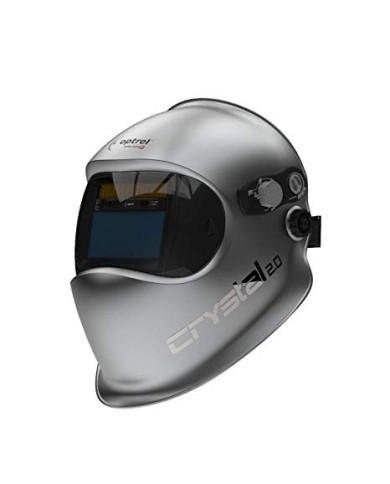
For low-light environments, auto-darkening helmets offer a key advantage. They adapt precisely to rapid light variations, reducing the risk of glare or accidental UV/IR exposure. Models such as the Crystal 2.0 combine a bright viewing field with dynamic shade management, greatly reducing visual fatigue during long sessions.
Passive lenses remain a preferred option for occasional welders or cost-sensitive operations. Their simplicity and durability make them reliable for occasional use, though frequent visor adjustments may interrupt workflow and cause discomfort over time.
Technological Innovations: The Shadetronic System and Beyond
The latest advances in eye protection include smart systems that automatically adjust shade levels using embedded sensors. The Shadetronic system exemplifies this innovation: it measures the arc’s brightness in real time and instantly adapts the filter shade. This automation ensures consistent protection regardless of current variations or welding process type.
Manual shade adjustment has limitations: it requires technical expertise and risks misjudgment. Setting a shade too low for a powerful arc can cause immediate eye strain and long-term damage. Conversely, using an overly dark shade reduces visibility on low-intensity welds and increases eye effort. Shadetronic removes these compromises by continuously providing optimal clarity and protection without user intervention.
Beyond optics, helmet design itself affects protection in specific operations. Overhead or elevated welding exposes users to slag and metal spatter. A spherical shell design, as used in the Panoramaxx or Crystal 2.0 ranges, directs debris outward so it slides off rather than accumulating or damaging the filter.
For welders working frequently at height, this design increases helmet longevity and reduces downtime for cleaning or lens replacement. Additionally, reflective finishes such as silver coatings can lower internal temperature by up to 30% compared to dark helmets, improving comfort during long operations.
Integrating advanced features must not compromise weight or comfort. The most refined helmets achieve a balance of lightness, stability, and embedded technology, offering an uncompromising user experience.
Balancing maximum protection and lasting comfort requires a precise assessment of each welder’s needs: process type (MIG, TIG, etc.), frequency of use, working environment, and physical constraints. Combining ergonomic adjustment, customizable visibility, and advanced technologies such as Shadetronic or spherical designs ensures both safety and performance.
For tailored advice or a personalized quote, contact our specialists — every project deserves expert support to find the ideal welding helmet.

 Français



_11zon.webp)


_14_11zon.webp)
_6_11zon.webp)