Français



_11zon.webp)


_14_11zon.webp)
_6_11zon.webp)



Stainless steel passivation: understanding, protecting and maintaining welds
Passivation is an important step in the treatment of stainless steel, especially after welding, cutting, grinding or metalworking operations. It helps restore or strengthen the natural protective layer of stainless steel in order to improve its corrosion resistance and preserve the quality of parts over time.
This blog category aims to help you better understand the role of passivation, the differences with pickling, the available treatment methods and the best practices to know in order to clean, protect and maintain stainless steel welds.
Why is passivation important after welding?
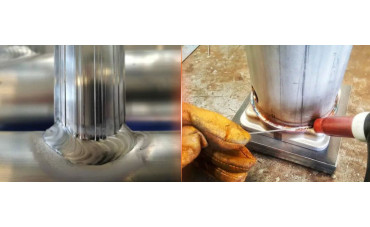
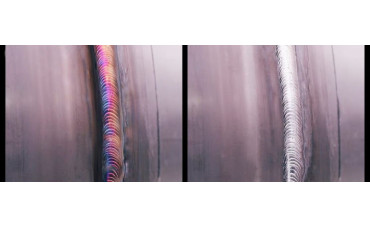
When stainless steel is welded, heat can alter the condition of the metal surface and cause oxidation, discoloration or weakened areas to appear. These visual defects are not only aesthetic: they can also reduce the natural protection of stainless steel against external aggressions.
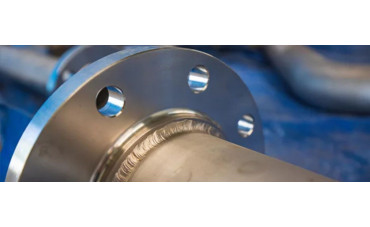
Passivation helps promote the formation of a uniform passive layer on the surface of stainless steel. This thin protection helps limit corrosion phenomena, particularly in demanding environments such as industry, food processing, maintenance, boiler making, pipework or applications exposed to humidity.
Pickling and passivation: two complementary steps
Pickling and passivation are often associated with each other, but they do not serve exactly the same purpose. Pickling is mainly used to remove oxides, heat tint, surface contamination and residues related to welding. Passivation then helps stainless steel regain a protected surface that is more resistant to corrosion.
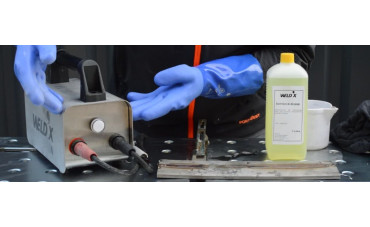
Depending on the requirements, the treatment can be carried out using pastes, liquid solutions, wipes, specific cleaning products or electrochemical pickling and passivation machines. The choice depends on the type of weld, the size of the parts, the desired level of finish and the safety constraints at the workstation.
Choosing the right stainless steel passivation solution
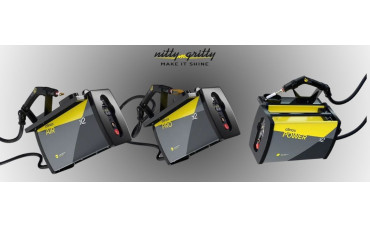
The choice of a passivation product or machine depends on several criteria: the type of stainless steel, the welding method used, the surface condition, frequency of use, production level and working environment. For occasional use, a manual solution may be sufficient. For regular workshop use, an electrochemical stainless steel cleaning machine can save time and provide greater consistency and finish quality.
Professionals must also take complementary equipment into account: brushes, pads, electrolytes, neutralising solutions, sprayers, rinsing accessories, personal protective equipment and suitable ventilation systems. Proper workstation preparation helps achieve a cleaner, safer and more durable result.
Safety and best practices when treating stainless steel
Pickling and passivation operations may involve the use of chemical products. It is therefore essential to follow the instructions for use, consult the safety data sheets, wear appropriate protective equipment and work in a properly ventilated area.
Rinsing, neutralisation, product storage and residue management must also be taken into account. These steps contribute to operator safety, treatment quality and the protection of the working environment.