
 Français



_11zon.webp)


_14_11zon.webp)
_6_11zon.webp)



Passivation of Stainless Steel: The Complete Guide to Choosing the Best Solution
- LAURENT DAROLT
- 04 Jun, 2026
- Passivation
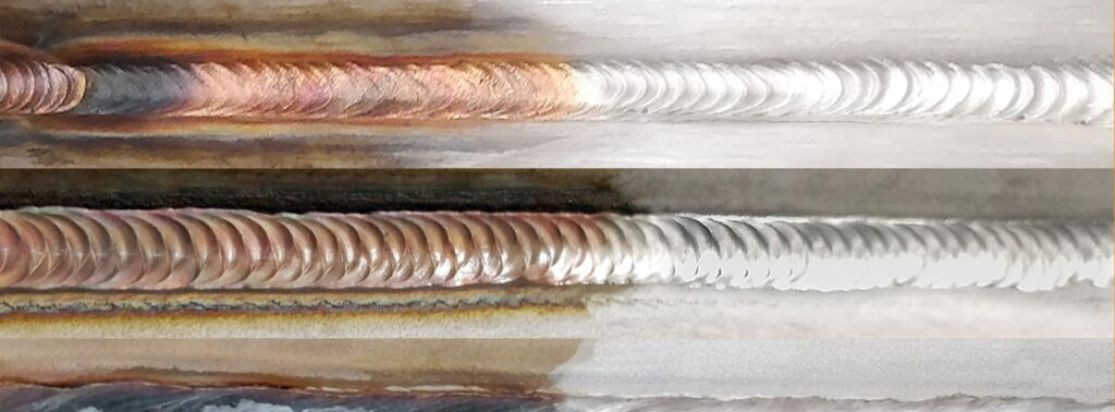
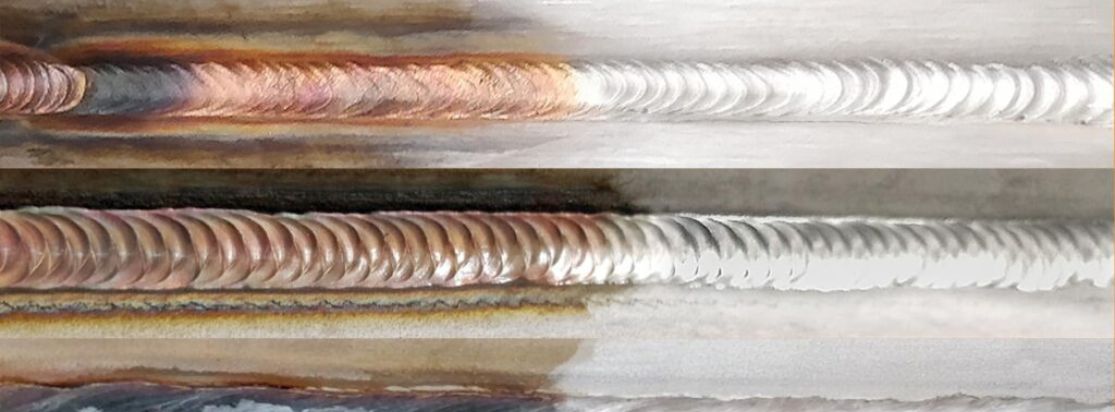
Stainless steel owes its value to its ability to self-protect through a passive layer of chromium oxide. However, this barrier is systematically degraded during welding, cutting, or bending operations. Without rigorous technical intervention, corrosion sets in prematurely, compromising the added value of your workpieces. The solution? Passivation. However, as a consultant, I often point out that passivation is only effective if it is preceded by thorough pickling. This guide explains how to combine an excellent finish with essential safety requirements for your teams.
Key Takeaways
- Inseparability: Pickling, which removes iron oxides, is the mandatory technical prerequisite for any successful passivation process.
- Chemical vigilance: Beware of ammonium bifluoride, which is often found in commercial products; its toxicity is equivalent to that of hydrofluoric acid (HF).
- Absolute protection: Wearing specific PPE is a matter of survival, not an option.
- Legal restrictions: Work involving exposure to hydrofluoric acid is strictly prohibited for minors, temporary workers, and employees on fixed-term contracts.
- Waste management: Rinse water and used acids must be disposed of through specialized ADR-approved channels.
Understanding passivation: Why is it essential for your projects?
Passivation is not simply cleaning; it is a chemical reconstruction. It forces the formation of the protective layer to ensure the long-term durability of stainless steel. Neglecting this step means exposing yourself to serious metallurgical issues and after-sales service costs that can quickly exceed the margin of your projects.
The link between pickling and passivation
Pickling is the necessary “aggressive” step: it uses mixtures of nitric acid (20 to 25%) and hydrofluoric acid (generally 3 to 7%, and up to 10% for pastes) to strip the metal back to its bare surface. It is on this surface, free from any ferrous contamination, that passivation can create uniform protection.
Chemical risks: What you need to know before buying
Hydrofluoric acid is a highly dangerous poison: it can be fatal through skin contact and causes deep, irreversible burns. Nitric acid, meanwhile, emits carcinogenic mists and toxic vapors.
The consultant’s point of view: This level of danger changes the economic equation. Beyond the price per liter, you must factor in workforce management. Since the law prohibits the use of these products by temporary workers and employees on fixed-term contracts, your operational flexibility is reduced. In addition, be extremely vigilant when reading safety data sheets (SDS): some manufacturers use ammonium bifluoride to disguise the presence of hydrofluoric acid. Make no mistake: the risk is identical.
Treatment methods: Which passivation solution should you choose?
The choice of method depends on the volume, the geometry of the parts, and your infrastructure.
Immersion treatment and automatic spraying
These solutions should be favored for productivity and risk control.
- Immersion: This is the benchmark method for hollow bodies. Full immersion ensures both internal and external treatment. It requires the use of a draining jib and a tank with a locked cover and mechanical ventilation.
- Automatic spraying: This allows large parts to be treated inside a confined enclosure. Safety relies on the impossibility of opening the covers during the treatment cycle.
Manual application: Paste and spraying
Here, the human factor is central.
- Pickling paste: Ideal for weld seams. It limits the exposure area but requires precise brush application on cold metal.
- Manual spraying: This is the most exposure-intensive process. It generates volatile acid mists. It must be carried out in a dedicated area with source extraction or, outdoors, always with your back to the wind.
The protection criterion: Securing your human investment
In industrial safety, PPE is the final barrier. When dealing with hydrofluoric acid, a mistake can be fatal.
Gloves and skin protection: The need for quality
For tradespeople and SMEs, I systematically recommend premium solutions. Why? Because when handling these acids, a disposable nitrile glove is a death sentence. Long-cuff, reusable, high-performance gloves made of butyl rubber, neoprene, or multilayer laminate are required. Protection must be complete: no area of skin should be visible.
Respiratory and face protection: A crucial point of vigilance
- Face: Face shield compliant with EN 166 standard, with minimum marking 3.
- Respiration: Supplied-air respiratory protection is ideal. If you choose cartridge masks, pay attention to the technical details: BEP3 cartridges are insufficient against nitric acid because they do not protect against nitrogen oxides (NOx). Only BENOP3 cartridges provide the necessary protection.
- Body: Type 2, 3, or 4 coverall with a Type 3PB apron.
“Contact with hydrofluoric acid is unforgiving; protection is not an option, it is a condition for survival.”
Logistics and storage: Managing hazardous products on a daily basis
A well-managed workshop is one where the risk is controlled from the moment the products are received.
Golden rules for on-site storage
Acid must be stored on retention trays — specific pallets or civil engineering containment systems — in a ventilated and clearly identified room. One golden rule: never reuse an empty container for another purpose. Even when “rinsed,” a canister may retain active traces of poison.
Transport and waste disposal
Rinse water is hazardous waste. Transport must be entrusted to certified ADR service providers. As a business owner, you are responsible for the disposal chain of your effluents until their final treatment.
Budget and alternatives: Optimizing your purchase
Comparing two passivation solutions requires looking beyond the chemical supplier’s invoice.
Assessing the real cost
The real cost of a conventional chemical solution includes:
- The first-aid kit: Mandatory availability of a safety shower and calcium gluconate — 2.5% gel and 10% solution.
- The emergency protocol: In case of skin contact, rinse for 10 to 15 minutes and apply a thick layer of gluconate gel every 3 hours until medical care is provided.
- Training: The time spent training staff on specific risks and survival procedures.
Are there less risky alternatives?
To reduce your exposure to risk, two options should be considered:
- Electrolytic pickling: Uses phosphoric acid. It is an excellent alternative for removing hydrofluoric acid from the process.
- Mechanical brushing: For simple cases, it completely eliminates the need for chemicals, although it does not always meet the passivation standards required for aggressive environments such as marine or food-processing applications.
Successfully transitioning to professional passivation
Successfully passivating your stainless steel means accepting that technical performance cannot be achieved without absolute safety discipline. Choosing the right pickling and passivation products is useless if you do not provide your employees with the appropriate PPE and survival training.
Is your current equipment truly equal to the chemical risks you are taking? Now is the time to secure your operations in order to protect your employees and the long-term durability of your workpieces.
Let’s talk about your project
An industry expert will respond within 24 business hours.
Stainless steel treatment is carried out using several chemical pickling/passivation methods: by immersion in a dedicated tank, by manually applying a paste with a brush to welds, or by spraying, either manually or automatically. Each operation requires careful rinsing, often starting at low pressure before high-pressure rinsing.
It is a chemical surface treatment using corrosive acids to clean and protect steel, often required after operations such as welding. It restores the steel’s resistance to external aggression.
Mixtures of nitric acid and hydrofluoric acid are mainly used, as well as products containing ammonium bifluoride. Phosphoric acid is a less hazardous alternative for electrolytic processes.
The methods vary depending on the application process: immersion, paste application, spraying — manual or automatic — or an electrolytic process.
Passivation should be carried out after every technical operation that may alter the steel surface, such as welding, or whenever the natural protective layer has been damaged.
Nitric acid and hydrofluoric acid are the standard components for chemical treatment. Phosphoric acid is preferred for electrolytic pickling methods.