Français



_11zon.webp)


_14_11zon.webp)
_6_11zon.webp)



Plasma cutter: understanding the process, applications and selection criteria
A plasma cutter is a piece of equipment used to cut conductive metals such as steel, stainless steel, aluminium, copper or brass quickly and cleanly. It works using an electric arc and compressed gas, which turns into plasma at a very high temperature, allowing the metal to melt locally and the material to be removed from the cutting kerf.
This blog category aims to help you better understand how plasma cutting works, its advantages, limitations, professional applications and the criteria to consider before choosing equipment. The goal is not only to compare machines, but also to know which type of plasma cutter best suits your use, materials and working environment.
How does a plasma cutter work?
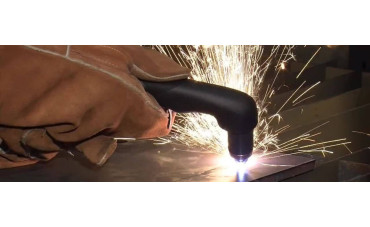
The principle of plasma cutting is based on creating an electric arc between an electrode and the workpiece to be cut. The gas, often compressed air depending on the machine, is ionised by the arc and becomes a very hot, high-speed plasma jet. This jet passes through the metal, melts it and blows away the molten material to form the cut.
The quality of the result depends on several parameters: cutting current, workpiece thickness, type of metal, air pressure, travel speed, condition of consumables, distance between the torch and the workpiece, earth connection quality and surface preparation. Proper settings help achieve a more regular cut, reduce burrs and limit rework after cutting.
When should plasma cutting be used?
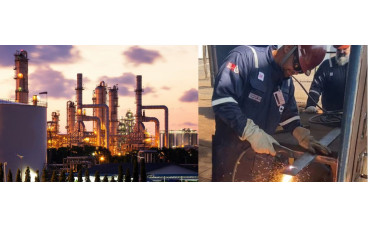
Plasma cutting is particularly valued for its versatility and speed on conductive metals. It can be used in workshops, on worksites, in maintenance, boiler making, metal construction, industrial repair or part fabrication. It makes it possible to produce straight cuts, complex shapes, openings, rework operations or cuts in sheets and profiles.
This process is suitable for professionals looking for a mobile, efficient and more versatile solution than some thermal cutting processes limited to specific materials. It can be used for occasional work as well as regular applications, depending on machine power and the thickness to be cut.
Choosing a plasma cutter according to thickness, power and use
The choice of a plasma cutter depends first on the maximum thickness to be cut and the expected cut quality. It is important to distinguish between the recommended cutting capacity, which corresponds to a clean and regular cut, and the maximum capacity, which allows thicker material to be cut but at a slower speed and often with a less clean finish.
The available current, expressed in amperes, must be suited to the work being carried out. Occasional use on thin sheet metal does not require the same equipment as a workshop that regularly cuts thick materials. Power supply, duty cycle, mobility, weight, torch type, consumable availability and compressor compatibility are also important criteria.
Compressed air, consumables and cut quality
The quality of compressed air plays an essential role in the performance of a plasma cutter. Moist, oily or poorly filtered air can accelerate consumable wear and degrade cut quality. Using a suitable compressor, a good airflow rate and a coherent filtration system makes it possible to work in better conditions.
Torch consumables must also be monitored: electrodes, nozzles, swirl rings, shields and wear parts directly influence arc stability, kerf precision and torch service life. Regular checks help avoid irregular cuts, difficult arc starts and repeated defects.
Plasma cutting, oxy-fuel cutting or laser cutting: comparing the processes properly
Plasma cutting differs from oxy-fuel cutting and laser cutting in its applications and constraints. Oxy-fuel cutting remains useful for thick steel, but it is less suitable for non-ferrous metals such as aluminium or copper. Laser cutting offers high precision and a very fine finish, but it requires a more specific installation and a controlled working environment.
Plasma offers a good balance between speed, versatility and mobility. It is suitable for many conductive metals and can meet varied needs in workshops or on worksites. The right choice therefore depends on the material, thickness, expected precision, work rate, budget and intervention conditions.
Manual, mechanised or robotic plasma cutting
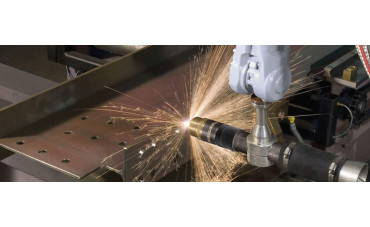
Plasma cutting can be used manually for mobile interventions, maintenance work or occasional cutting tasks. It can also be integrated into a cutting table, mechanised installation or robotic system when the goal is to improve repeatability, precision and productivity.
Mechanised or robotic solutions are particularly useful for production runs, repetitive shapes, complex cuts or industrial environments seeking better consistency. The choice between manual and automated cutting depends on the workload, desired precision level and workshop organisation.
Safety and preparation before plasma cutting
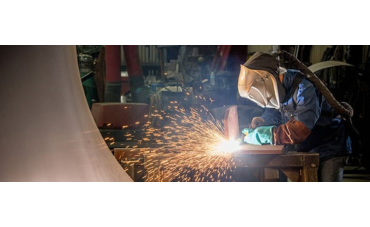
Plasma cutting exposes the operator to several risks: radiation, hot metal spatter, fumes, noise, heat, electricity and parts heated to high temperatures. Before any operation, it is important to check the condition of the equipment, connection quality, ventilation in the area, absence of flammable elements and stability of the workpiece to be cut.
Protective equipment must be adapted: eye protection or a screen with the appropriate shade, gloves, heat-resistant clothing, safety footwear, respiratory protection if necessary and an extraction or ventilation solution. A well-organised work area helps reduce risks and improve cutting precision.
Preparing the workpiece and limiting cutting defects
A successful cut starts with good preparation. The workpiece must be correctly positioned, the earth clamp properly installed and the cutting path clear. Traces of paint, grease, heavy rust or contamination can influence arc starting, arc stability and the quality of the result.
To limit defects, travel speed must be adapted, a regular distance between the torch and the workpiece must be maintained, consumable condition must be checked and the recommended parameters must be followed. A speed that is too slow can generate more burrs, while a speed that is too fast can cause an incomplete or irregular cut.
Our advice to better understand plasma cutting
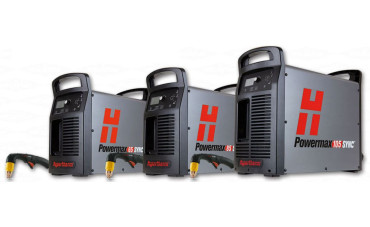
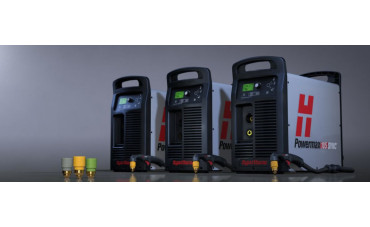
Through this category, HD Soudage helps you understand plasma cutters and best cutting practices. You will find advice on choosing a professional plasma cutter, technical criteria, industrial applications, Hypertherm systems, Powermax machines, robotic cutting, cost optimisation and safety.
Whether you are a boiler maker, metalworker, welder, maintenance technician, workshop manager or professional working on site, this section will help you better understand plasma cutting and choose a solution suited to your needs.