Plasma Cutting: Innovations and Benefits for Oil and Gas Refineries
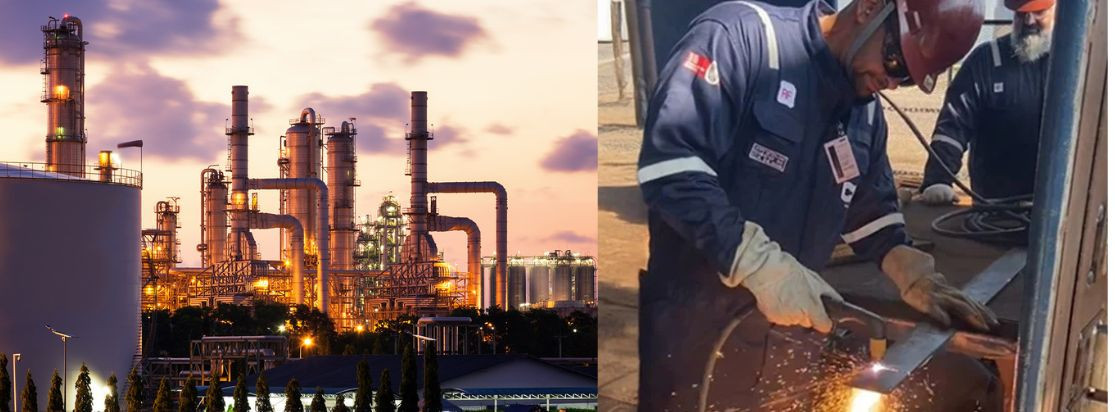
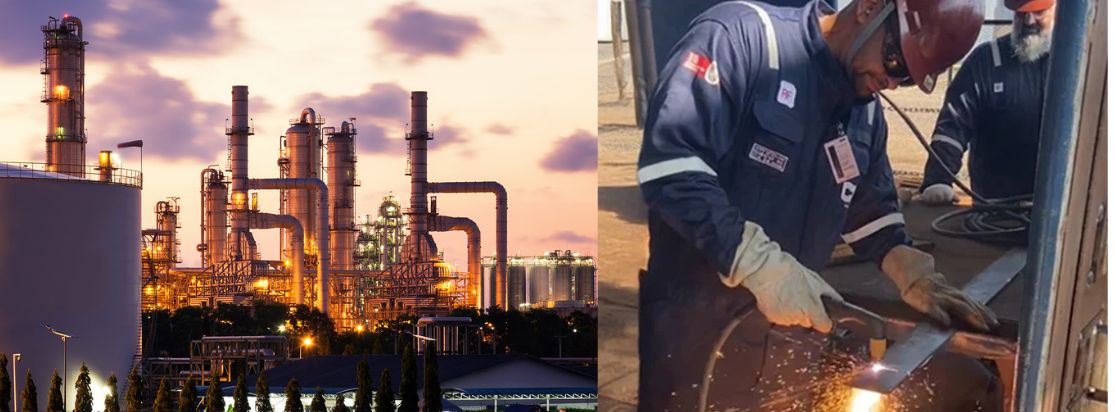
Oil and gas refineries are seeking to adapt their processes to meet the growing pressure on safety, operational efficiency, and profitability. Regular maintenance of tanks, structures, and facilities has historically relied on oxy-fuel cutting or abrasive techniques. However, a recent study conducted by Hypertherm Associates highlights a major shift: plasma technology is radically transforming common practices, delivering dramatic time savings and significantly improving working conditions.
Technological Innovations in Plasma Cutting for Oil and Gas Refineries
Efficiency and Speed of Plasma Cutting Compared to Traditional Methods
The comparison between plasma cutting, oxy-fuel, and abrasive discs reveals a significant gap in productivity. According to field studies conducted by Hypertherm Associates, the plasma process can perform certain operations up to eight times faster than oxy-fuel. For example, a task that typically takes six hours can be completed in just 18 minutes with plasma.
This time-saving advantage directly translates into faster release of critical equipment during scheduled or unexpected refinery maintenance. Downtimes are shortened: fewer prolonged shutdowns mean a quicker return to normal production, optimizing facility availability.
Beyond sheer speed, plasma cutting delivers much higher quality. The precision achieved reduces the need for secondary operations such as grinding or finishing, often required after traditional cutting. The clean cut also lowers the probability of defects requiring rework—a key factor in environments where every minute counts.
Another major advantage: its ability to process various materials used in the oil industry, whether thick carbon steel or non-ferrous alloys such as aluminum or stainless steel. This versatility greatly broadens its scope of application during diverse refinery interventions.
The integration of plasma cutting with automated systems is another lever to increase consistency of results while further reducing turnaround times. Partial or full robotization: every advance strengthens process reliability while limiting human exposure in sensitive areas.
Safety and Health: A Priority with Plasma Technology
Risk reduction is at the heart of concerns in all heavy industries; here again, plasma cutting makes a difference. This process completely eliminates the use of flammable gases such as acetylene or propane required for oxy-fuel cutting—thus removing any risk of accidental explosions related to their storage or handling.
Furthermore, while abrasive discs generate large amounts of fine dust (with their array of respiratory hazards), plasma cutting significantly reduces harmful exposure for operators. The study highlights that by using plasma cutting, the risk of conditions such as chronic bronchitis, work-related dizziness due to toxic fumes, or even acute carbon monoxide poisoning (from massive use of certain conventional methods) is greatly diminished.
Ease of use also plays a role: the compact, lightweight equipment facilitates handling while reducing physical risks (less muscle fatigue). Moreover, there is no danger here of a sudden breakage of a fast-spinning abrasive disc—a type of incident that can cause severe on-site injuries.
Altogether, this not only directly protects workers’ health but also greatly simplifies daily risk management imposed by increasing regulations regarding workplace well-being.
Economic and Environmental Benefits of Plasma Cutting in the Oil Industry
Cost Reduction and Resource Optimization
While the initial investment—purchasing a modern CNC plasma generator—represents a significant line item in plant maintenance/revamp budgets, its overall amortization over several years of intensive operation must be considered.
The first economic factor lies in substantial savings through:
- Shorter machine downtime
- Dramatically reduced labor time per intervention
- Near elimination of post-cutting touch-ups (grinding/deburring)
- Significant extension of intervals between major replacements thanks to better-distributed workloads on modern equipment fleets
This picture improves further when factoring in:
- Significant reduction in consumables (expensive specialty gases rarely used)
- Noticeable drop in specific spare parts (fast-wearing discs)
Overall: streamlining each stage allows oil/gas companies adopting this innovative technology to quickly demonstrate measurable ROI—figures confirmed by both independent studies and industrial user feedback.
Easy integration into automated lines also helps these companies standardize their production while reducing reliance on human factors for repetitive, time-consuming tasks.
Finally, straightforward preventive maintenance extends the useful life of this high-performance equipment—a point often cited as a barrier during initial deployment but lifted after a few full cycles of successful use.
Environmental Impact and Sustainability
Beyond the favorable financial outcome brought by this technological shift, there is a tangible improvement in addressing today’s environmental challenges.
By drastically reducing material waste during cutting (precise cut = less scrap), the plasma process directly supports internal zero-waste policies—an objective now shared by all major refineries concerned with both public image and real efficiency.
Low pollutant emissions come naturally:
- Complete absence of open combustion, so CO/NOx emissions are negligible
- Greatly reduced or even eliminated generation of irritating microparticles
In parallel:
- Less need for post-intervention waste treatment
- Reduced associated health impacts
These characteristics are driving many major players to review their internal standards to align fully with CSR requirements and increasingly strict international regulations regarding local/global environmental compliance.
As this type of equipment evolves toward greater connectivity/embedded intelligence (AI & monitoring sensors integration), it becomes possible for QHSE/R&D managers to:
- Precisely monitor real impact cycle after cycle,
- Dynamically adjust resource usage according to actual needs,
- Easily document regulatory compliance required during external audits.
The gradual yet determined adoption of plasma cutting is already revolutionizing day-to-day operations in oil and gas refineries: unmatched speed compared to traditional techniques; significantly improved health conditions; enhanced operational profitability; and a reduced ecological footprint.

 Français



_11zon.webp)


_14_11zon.webp)
_6_11zon.webp)