
 Français



_11zon.webp)


_14_11zon.webp)
_6_11zon.webp)



Fume Filters: Key to Welding Safety and Efficiency
- Nada Iddouch
- 10 Dec, 2025
- Welding safety
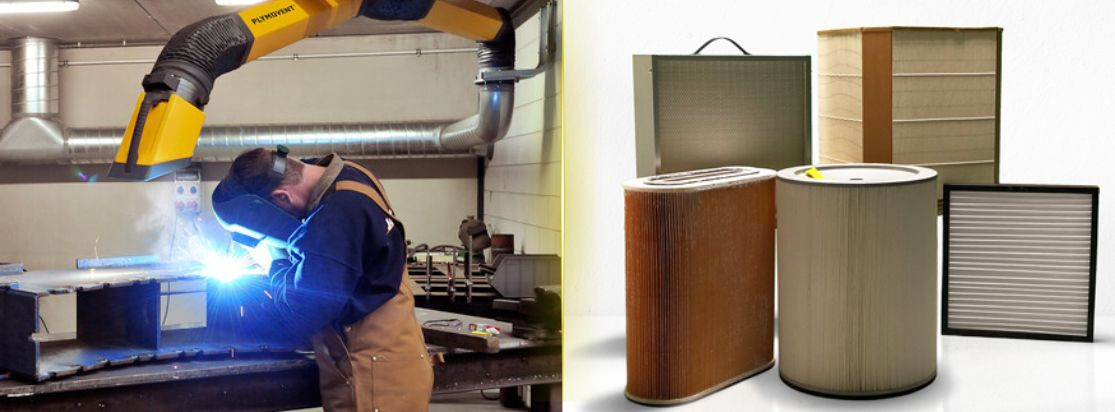
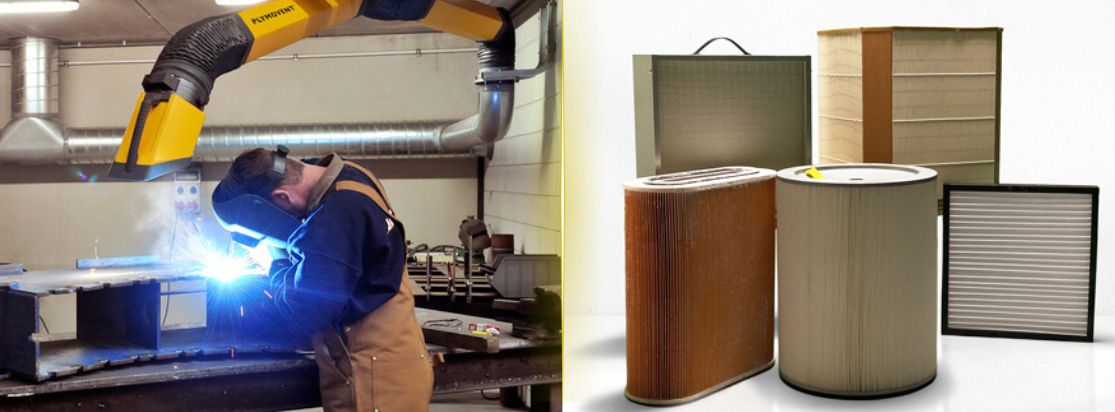
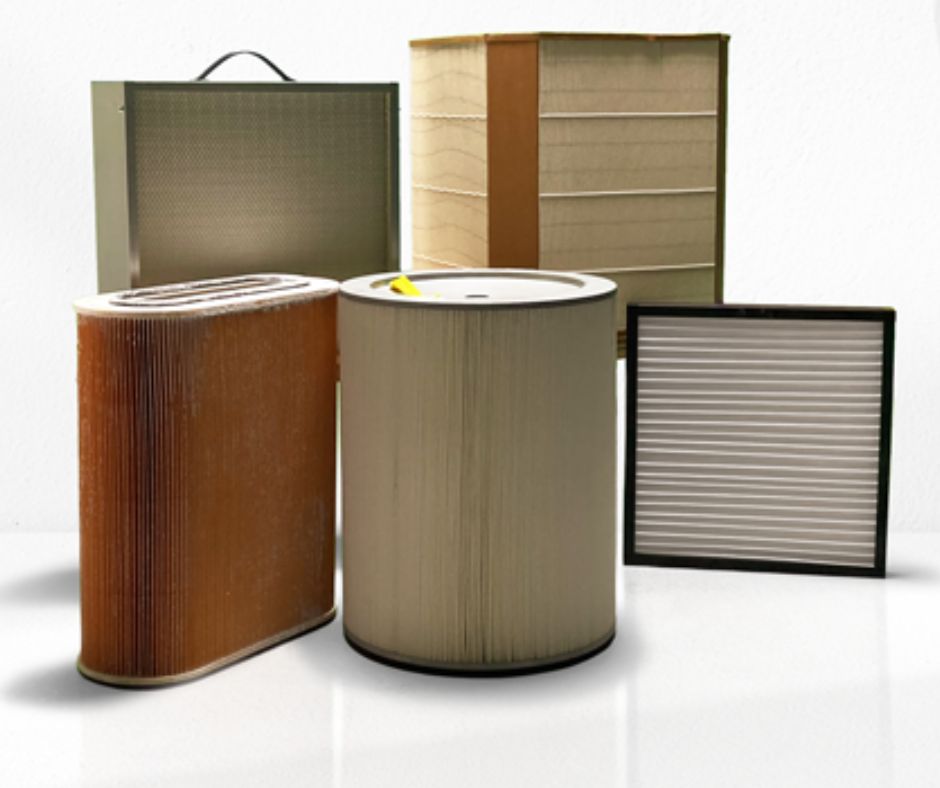
In the industrial sector, the management of welding fumes has become an absolute priority. The dangers associated with inhaling these toxic particles are confirmed by the work of the International Agency for Research on Cancer (IARC), which classifies welding fumes among proven carcinogenic substances. The reliability of an efficient extraction system depends mainly on the quality of the filter used. Yet, faced with an overwhelming number of options, many companies hesitate between original filters and lower-cost alternatives, without fully understanding the health and economic consequences of their choice.
Importance of Filter Quality in Fume Extraction
The dangers of inadequate filtration in the welding industry
Exposure to welding fumes represents a major health risk for operators. These emissions contain a multitude of ultrafine particles, often invisible to the naked eye, capable of penetrating deep into the respiratory system. Poor control of their concentration in the air can lead to serious illnesses, including certain lung cancers or other chronic conditions.
The IARC has officially recognized the carcinogenic nature of metallic fumes generated during welding. In this context, ensuring optimal air purification becomes essential to protect staff health. This effectiveness directly depends on the filter installed at the heart of the extraction device: it acts as a true technological “lung.”
An unsuitable filter — poorly designed or made from substandard materials — rapidly loses performance. Even if its exterior appearance seems satisfactory at installation, its actual ability to capture dangerous particles can decline within just a few months. Such a defect inevitably exposes workers to a progressive accumulation of toxic agents in their daily environment.
The main difficulty is that a buyer or maintenance manager with no specific expertise cannot visually assess the real quality of a filter medium. Two models that appear compatible on paper may differ radically in their actual stopping power and resistance to repeated cleaning cycles. In-depth testing shows that some alternative filters lose efficiency much more quickly, becoming permeable to microparticles that then escape the system intended to protect the teams.
Performance differences between original filters and alternatives
Not all filters share the same technical properties or the same level of integration with the system they are designed for. Specialized manufacturers such as Plymovent design their filter cartridges specifically to withstand frequent operational constraints: intensive cleaning with compressed air, repeated airflow variations, prolonged exposure to various types of metallic aerosols.
Original models thus offer several advantages:
- a reinforced filter medium capable of absorbing without damage the shocks caused by regular blow-cleaning;
- an optimized structure preventing lateral leaks that could allow fine particles to pass through;
- extensive testing conducted directly on each specific configuration to ensure perfect compatibility between filter and extractor.
In contrast, generic alternatives offered by some integrators often merely assemble existing components available on the global market, without precise adaptation to each industrial application or guarantees regarding their behavior under the constraints specific to welding environments. This approach presents several notable weaknesses:
- materials that are sometimes less resistant or unsuitable for compressed-air cleaning;
- frequent absence of comprehensive real-world testing;
- a higher risk of the filter medium becoming damaged during the first maintenance cycles;
- decreasing capacity to effectively retain ultrafine dust after only a few months.
Beyond purely technical aspects, there is also the regulatory question: as European standards on protection against hazardous chemical agents become increasingly strict (fumes now placed on the same level as asbestos), having equipment validated by its manufacturer provides additional assurance — both for employees and for authorities during routine inspections.
Economic and Health Consequences of an Inappropriate Filter Choice
Impact on worker health and safety
Attention to air quality in workshops is not only a matter of regulatory compliance: it directly affects the physical and psychological well-being of welders and nearby staff. Since no definitive health threshold has yet been established for these emissions, maximum vigilance is required; even low but repeated exposure carries a proven risk.
Several studies show that chronic exposure — even at low levels — significantly increases cancer and respiratory risks for professionals already subjected to various physical constraints inherent to their trade (radiant heat, prolonged postures, etc.). Effective filtration is therefore never optional: it is both a moral duty and a legal obligation requiring employers to actively protect their human resources.
This requirement is even more relevant in a context where attracting and retaining qualified labor becomes increasingly difficult: young welders and technicians now clearly express expectations regarding workplace air quality. Providing a healthy environment positively influences their daily motivation and long-term retention — two essential levers to combat costly turnover observed in many specialized industrial workshops.
By neglecting this fundamental aspect through the repeated installation of unsuitable or underperforming consumables — often underestimated because the consequences are not immediately visible — some companies compromise not only their internal reputation but also expose themselves to the real risk of future occupational diseases that may be difficult or impossible to contest legally.
Real cost of savings made on filters
The budget argument is often raised when choosing between an OEM-certified solution and a compatible product offered at a seemingly attractive price. But this reasoning ignores several key factors that quickly transform this immediate saving into a potential source of much greater financial losses:
1. Frequency of replacements
An alternative filter often has a shorter lifespan because its materials withstand repeated cleaning or intense industrial cycles poorly. More frequent replacements are therefore required (sometimes every few months rather than annually, or every two years with certain high-end OEM models).
2. Accelerated system degradation
When the filter medium gradually allows fine dust to escape toward turbines or internal ducts — due to imperfect adjustment with the intended extractor (poor sealing, etc.) — the entire system experiences premature wear. This may require unexpected repairs or even partial or full replacement, adding costs that were not anticipated when calculating ROI based on standardized consumables.
3. Increased energy consumption
A filter that clogs too quickly causes a progressive but significant decrease in extraction airflow. Motors compensate by increasing power consumption, which translates into a higher monthly energy bill. Unlike optimized OEM solutions, which guarantee constant airflow throughout the filter’s nominal lifespan, an unsuitable filter can negatively impact the total cost of ownership.
4. Indirect consequences related to absenteeism and worker motivation
Degraded air conditions affect team morale: sick leave, reduced engagement, and lower productivity — all direct impacts on overall company performance, measurable through standard HR indicators (turnover rate, recurring absences for similar reasons…).
5. Increased legal risks during external inspections
In the event of an inspection — for example after a suspected occupational illness later recognized as linked to chronic exposure to a substance classified as a Group 1 carcinogen by the IARC — the inability to prove permanent compliance of the extraction system (and the filters used) may lead to financial penalties, mandatory corrective actions, or even temporary shutdown of the production site until full compliance is achieved.
| Short-Term Economic Argument | Long-Term Reality |
|---|---|
| Lower initial price | Frequent filter replacement, higher operating cost |
| Simplified purchasing | Accelerated equipment degradation due to partial filtration |
| Theoretical savings | Increase in indirect costs (energy, maintenance, health) |
Given the multitude of potential negative impacts associated with the simple pursuit of immediate savings by acquiring a basic “compatible” component, investing from the outset in a proven solution designed by an established manufacturer quickly appears to be the only guarantee of long-term reliability and peace of mind. This applies both to the management of material resources and to the protection of human resources within a modern company committed to ensuring operational continuity and absolute safety for its employees, who are exposed daily during sensitive operations involving the handling of various alloys and the generation of highly harmful aerosols. These risks are confirmed by numerous international scientific studies and recognized by a medical consensus now endorsed by European institutions and national legislators, given the priority public health challenges of the 21st century across the entire industrial sector and its related applications.
The satisfaction of your teams depends not only on the immediate comfort provided by workplace conditions, but also on the confidence they place in management’s ongoing commitment to invest in the necessary means to ensure real and effective protection for the people contributing to the development and growth of the business at all hierarchical levels.
Summary Conclusion & Recommended Action
A thoughtful choice of an original, perfectly adapted filter remains essential to ensure the long-term durability of your welding fume extraction systems while providing maximum prevention against health risks linked to exposure to harmful substances, unanimously recognized by the international scientific community. This requirement aligns fully with the European and national regulatory frameworks that are continually evolving and foreshadow stricter obligations regarding the inspection and compliance of equipment installed in industrial facilities.
To benefit from a personalized assessment of the compatibility between your current filtration solutions and the specific requirements of your workshop — whether involving precision welding, metallurgical production, heavy industry, or the transformation of innovative composite materials — contact a qualified expert today. They will guide you toward the best long-term investment strategy, combining economic profitability with social responsibility, while meeting the expectations of new generations of professionals who demand healthy working conditions that contribute to the attractiveness and retention of the talent essential to long-term collective success.
Let’s talk about your project
An industry expert will respond within 24 business hours.
High-quality filters are essential for protecting workers’ health by effectively capturing the toxic particles present in welding fumes, which are classified as carcinogenic by the International Agency for Research on Cancer (IARC).
Inadequate filtration can lead to inhalation of ultrafine particles, increasing the risk of serious illnesses such as lung cancer and other chronic respiratory diseases.
Original filters are designed to withstand the specific constraints of welding, offering better durability and superior filtration efficiency, while alternative filters may not be as long-lasting or effective.
Inappropriate filters can lead to additional costs related to frequent replacements, accelerated equipment wear, increased energy consumption, and legal risks in cases of non-compliance.
Good air quality is crucial for workers’ physical and psychological well-being, reducing the risk of occupational diseases and improving employee motivation and retention.
Alternative filters may use less resistant materials, lack comprehensive real-world testing, and quickly lose their ability to effectively capture ultrafine particles.
Investing in quality filters ensures better health protection, improves equipment durability, reduces long-term costs, and ensures compliance with safety standards.