
 Français



_11zon.webp)


_14_11zon.webp)
_6_11zon.webp)



How to Properly Set Your Welding Machine According to the Material
- Nada Iddouch
- 20 Aug, 2025
- Welding machine
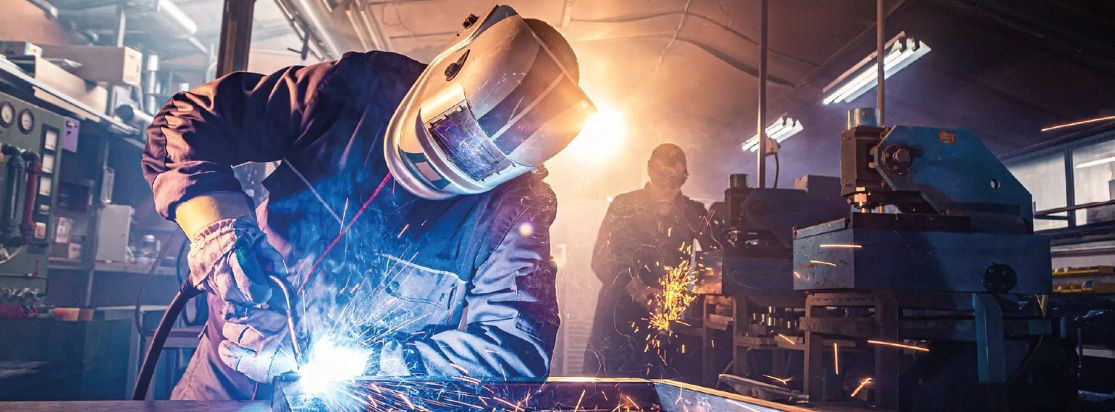
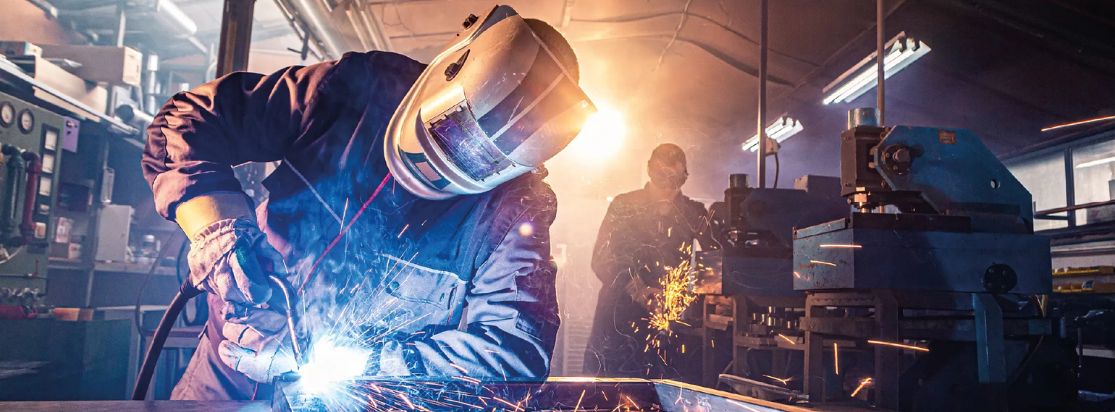
I. Optimization of Welding Parameters for Different Materials
In the world of welding, each material presents its own challenges and requirements. The key to successful welding lies in the precise adjustment of the welding machine's parameters. This article guides you through the essential settings for mild steel, stainless steel, and other commonly used materials, ensuring welds that are both robust and aesthetically pleasing.
1. Precise Adjustment for Mild Steel
Mild steel is widely used in the industrial world due to its malleability and ease of welding. However, achieving a perfect weld requires careful attention to detail, particularly regarding the settings of the welding machine.
- Current and Voltage: For mild steel, the current should generally range between 80 and 150 amperes, depending on the material's thickness. Excessive current can cause burn-through, while insufficient current can lead to a lack of fusion. The voltage should be adjusted between 18 and 22 volts to ensure a stable arc and good penetration without overheating.
- Wire Speed and Shielding Gas: Wire speed is another crucial parameter. It should be set between 4 and 8 meters per minute, depending on the wire diameter used. A mixture of argon and CO₂ (80/20) is often recommended to protect the weld from oxidation while ensuring good bead quality.
By precisely adjusting these parameters, you can avoid distortions and achieve a stable, uniform weld. Although mild steel accommodates standard settings, constant vigilance is necessary to avoid common errors.
2. Welding Techniques for Stainless Steel
Stainless steel, valued for its corrosion resistance, requires a different approach. Its properties must be preserved throughout the welding process.
- Current and Voltage Settings: For stainless steel, the current should be set between 60 and 120 amperes, depending on the material's thickness. The voltage should be maintained between 16 and 20 volts to prevent discoloration and ensure weld strength.
- Choice of Shielding Gas: An appropriate shielding gas is essential. The use of pure argon or a mixture containing 2 to 5% hydrogen is recommended to minimize spatter and preserve the material's integrity.
By applying these techniques, you can achieve an impeccable finish without compromising the mechanical strength of stainless steel. Mastery of these settings is crucial for ensuring high-quality welds.
II. Practical Tips and Solutions for Welding Problems
Welding also involves anticipating and resolving potential issues. Meticulous preparation and a thorough understanding of common defects are essential for optimal results.
1. Strategies for Meticulous Metal Preparation
Metal preparation is often underestimated, yet it is crucial for successful welding. Thorough cleaning and degreasing can transform your results.
- Cleaning and Degreasing: Before any welding operation, it is imperative to clean the metal surface to eliminate any impurities. This includes rust, grease, and any other contaminants that could compromise fusion.
- Role of Preparation: Proper metal preparation ensures better fusion and prevents imperfections. It also guarantees a strong, durable bond between welded parts.
By investing time in this step, you maximize your chances of success and reduce the risk of imperfections in your welds.
2. Resolving Common Welding Defects
Welding defects are common, but they can be avoided with a good understanding of the parameters to adjust.
- Burn-Through and Lack of Fusion: Burn-through is often caused by excessive current. To remedy this, reduce the amperage or proceed with multiple passes. Conversely, a lack of fusion may indicate insufficient current or an excessively fast wire speed. In this case, increase the current and slightly slow down the progression.
- Porosity in Welds: Porosity is generally the result of an inappropriate gas flow or poor metal preparation. Thorough cleaning and correct gas flow adjustment are essential to eliminate this type of problem.
By mastering these adjustments, you can achieve a clean, strong, and durable weld while avoiding the most common errors.
III. Conclusion
The success of a weld relies on a deep understanding of the materials and mastery of the welding machine's settings. Whether you are working with mild steel, stainless steel, or other materials, each project is an opportunity to refine your skills. Continue to practice, adjust your techniques, and stay informed to become an expert in welding. Each weld is unique, and with the right tools and knowledge, you can ensure the quality and longevity of your assemblies.
For mild steel, set the current between 80 and 150 amperes and the voltage between 18 and 22 volts, depending on the thickness of the material. Use a wire feed speed of 4 to 8 meters per minute with an argon and CO₂ gas mixture (80/20) for optimal welding.
Burn-through can be avoided by reducing the current intensity. If burn-through occurs, try decreasing the amperage or proceed with multiple passes to better control the applied heat.
For welding stainless steel, use pure argon or a mixture containing 2 to 5% hydrogen. This choice minimizes spatter and preserves the material's integrity and corrosion resistance.
Preparation, including cleaning and degreasing, is essential to remove impurities such as rust and grease. This ensures better fusion and prevents imperfections, thereby guaranteeing a strong and durable bond.
Porosity is often caused by improper gas flow or poor preparation. Ensure meticulous cleaning of the metal and correctly adjust the gas flow to eliminate this issue and achieve a clean weld.