
 Français



_11zon.webp)


_14_11zon.webp)
_6_11zon.webp)



NF EN 17931:2026: How to Inspect Your Oxy-Fuel Equipment
- LAURENT DAROLT
- 03 Nov, 2026
- Oxy-fuel cutting
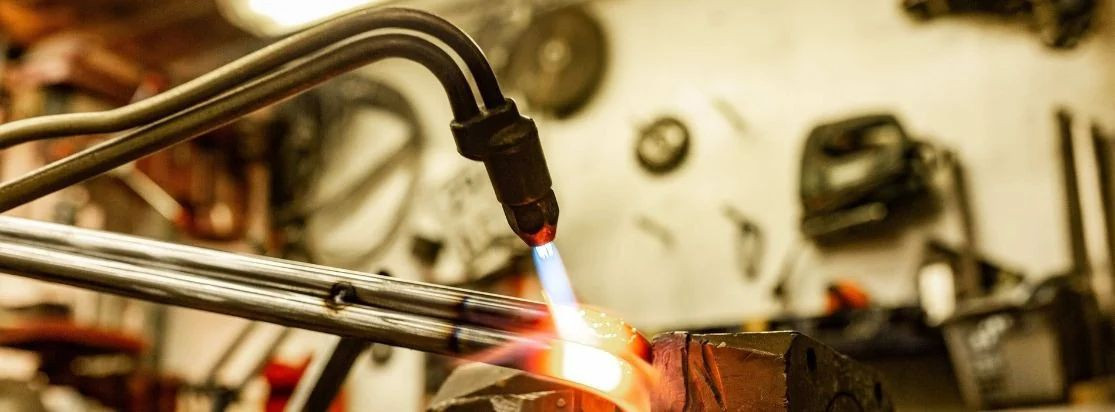
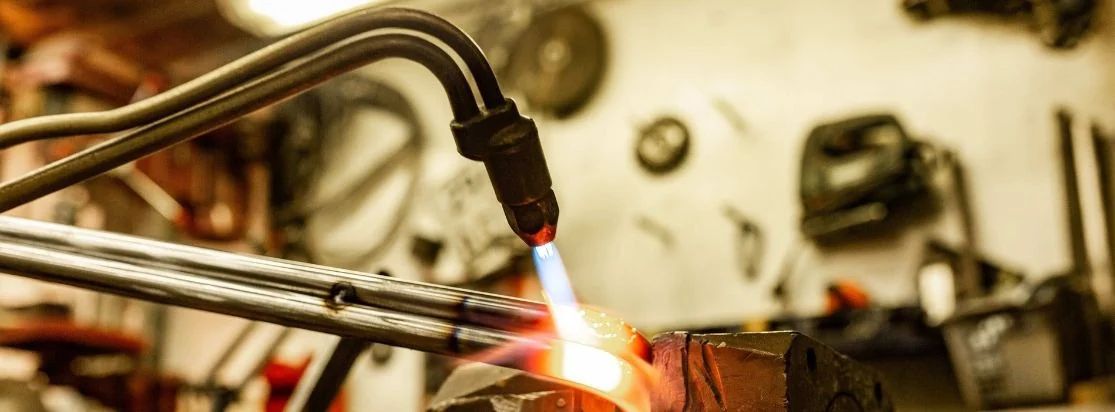
French standard NF EN 17931:2026 governs the inspection of professional manual oxy-fuel gas equipment. This equipment is located downstream of the cylinder valve or gas supply point. Oxy-fuel equipment uses a fuel gas and oxygen to produce a flame. The standard covers pressure regulators, connectors, flexible hoses, safety devices and torches. Inspection always combines a visual examination, a leak test and a functional test. The frequency of inspections depends on applicable regulations and manufacturers' instructions. It also depends on how the equipment is used, its condition and the risks identified through assessment. If a defect is detected, the operator must immediately stop using the equipment. A competent person must then inspect it. This voluntary standard is not automatically mandatory for all French companies.
Key Takeaways
- A harmonized European standard: NF EN 17931:2026 establishes a standardized inspection method for oxy-fuel gas equipment across Europe.
- A clearly defined scope: The standard applies to professional manual equipment operating at pressures of up to 300 bar (30 MPa).
- Three inspection stages: A complete inspection combines a visual examination, a leak test and a functional test.
- Immediate removal from service: Users must isolate any defective equipment and refer it to a competent person for inspection.
- A separate legal obligation: The standard is voluntary, but it helps employers comply with Article R4322-1 of the French Labour Code.
What Does NF EN 17931:2026 Change?
This new standard provides useful clarification for the industrial and construction sectors. Clear rules reduce the risk of errors and help prevent serious accidents. Employers gain a better understanding of their regulatory responsibilities. Operators can therefore work with enhanced safety measures. Well-organized inspections simplify the management of your oxy-fuel cutting equipment.
The Role of the New Standard
There are important differences between a voluntary standard, legislation, contractual requirements and internal company rules. NF EN 17931:2026 is a voluntary technical standard. Companies are free to choose whether to apply it, unless compliance is required by a contract or regulation.
Article R4322-1 of the French Labour Code establishes a strict requirement. Employers must maintain equipment in a compliant condition. To achieve this, they must follow the manufacturer's instructions and the original design requirements. NF EN 17931:2026 provides practical guidance to help meet this objective. However, this article of the French Labour Code does not automatically make compliance with the standard itself mandatory.
Equipment Covered and Excluded
NF EN 17931:2026 applies to specifically identified equipment:
- Equipment covered: Professional manual equipment operating at pressures of up to 300 bar (30 MPa). The gases covered include acetylene, LPG, MPS, CO2 and their mixtures. Inspections apply to components located downstream of the cylinder valve or the supply point of a centralized gas distribution system. These include pressure regulators, hoses, connectors, non-return valves, flashback arrestors and torches.
- Equipment excluded: The standard excludes automatic welding and cutting machines. Acetylene cylinder manifold assemblies located upstream of the gas supply point are also excluded.
These scope requirements make it possible to establish a practical inspection procedure in the workplace.
How to Inspect Oxy-Fuel Gas Equipment
Regular inspections help prevent hazardous situations. A systematic inspection procedure reduces the risk of gas leaks, fires and flashbacks. Daily inspections help ensure that hazardous operations are carried out under better-controlled conditions.
Workplace safety depends on compliant torch pressure regulators and properly maintained welding and oxy-fuel cutting torches. The use of quick-connect fittings and non-return valves helps protect operators throughout their work.
Visual Checks Before Use
The visual inspection must be carried out before connecting and igniting the equipment. Operators should follow these simple steps:
- Purging the oxygen cylinder valve: Before attaching the pressure regulator, briefly open and then close the oxygen cylinder valve. This action removes dust and helps prevent spontaneous ignition caused by adiabatic compression.
- Inspecting equipment bodies: Check pressure regulators and torches for signs of impact damage or deformation.
- Checking threads: Inspect the condition of the threads. Oxygen connections use right-hand threads, while acetylene connections use left-hand threads. Sealing surfaces must be clean.
- Inspecting the nozzle: The torch nozzle opening must be clean and perfectly round.
- Checking hose condition: Inspect flexible hoses (blue for oxygen and red for acetylene). The rubber must show no signs of cracking, wear, burns or crushing.
- Checking connections: Ensure that suitable hose clamps are correctly fitted to the hose barbs.
- Ensuring the absence of grease: Check that all equipment is completely free from oil or grease.
Leak Testing and Functional Checks
These tests verify that the equipment is leak-tight and operates correctly under pressure:
- Leak detection without a flame: Using a flame to detect gas leaks is strictly prohibited. Operators must use a suitable leak detection solution that produces bubbles.
- Prohibition of oils and grease: Pressurized oxygen can react violently with oils and grease. Any contact between oxygen and oil would cause an immediate explosion.
- Role of safety devices: It is important to distinguish between simple gas non-return valves and flashback arrestors. A non-return valve prevents gas from flowing backwards through the hose. A flashback arrestor stops flame propagation and shuts off the gas supply in response to heat.
- Functional testing: Adjust the working pressures using the regulators. Open and then close the torch valves. The flame must ignite and be adjustable without any whistling noise.
| Risk Source | Potential Consequences |
|---|---|
| Manual Handling / Awkward Postures | Musculoskeletal disorders (MSDs), lower back pain and tendinitis. |
| Noise Levels (MIG/MAG > 80 dB; Plasma = 120 dB) | Hearing damage and hearing loss. |
| Cluttered / Slippery Floors | Slips, trips and falls on the same level. |
| Vibrating Handheld Tools (e.g., angle grinders) | Circulatory disorders (hand-arm vibration syndrome). |
The results of visual inspections and tests must be recorded and monitored over time.
When Should Equipment Be Inspected and What Should You Do If a Defect Is Found?
Traceability ensures effective monitoring of equipment throughout its service life. An inspection that is not recorded cannot provide evidence of compliance with preventive measures. Maintaining an inspection log helps protect operators and demonstrates the company's commitment to safety.
Installing flashback arrestors for pressure regulators enhances the protection of gas supply lines.
Understanding the Difference Between Routine Checks and Periodic Inspections
There are two complementary levels of inspection:
- Routine checks: The operator performs these checks before each ignition. They consist of a quick visual examination and a simple functional check at the workplace.
- Periodic inspections: These involve a thorough examination of the equipment. The exact inspection frequency and servicing criteria depend on the manufacturers' instructions and the full text of the standard.
Responding to Defects, Isolating Equipment and Recording Decisions
When a defect is detected, the operator must follow the emergency procedure:
- Immediate shutdown: Close the gas cylinder valves and shut off the equipment's gas supply.
- Isolation: Remove the defective equipment from service. Keep it separate from compliant equipment to prevent accidental use.
- Responsibilities: The operator identifies the problem and isolates the affected component. A competent person or the manufacturer carries out the detailed inspection and any necessary repairs.
- No internal disassembly: Users must never dismantle the internal components of a pressure regulator or safety valve.
Conclusion
Oxy-fuel welding safety depends on every component being maintained in proper working condition. Applying inspection procedures on a daily basis helps protect workers against occupational accidents.
Key Points to Remember
Three essential actions are required to ensure the safety of oxy-fuel gas equipment. First, the operator performs a complete visual inspection before starting work. Next, they check for leaks using a suitable leak detection solution, without using a flame. Finally, the company removes any defective equipment from service and records each intervention in an inspection log.
Recommended Next Steps
Start by carrying out a complete inventory of your oxy-fuel gas equipment and consult the manufacturers' instructions to organize future inspections.
Sources Used
- French Labour Code: Article R4322-1 (Maintaining Work Equipment in Compliance with Safety Requirements).
- Technical Standards: EVS-EN 17931:2026 / NF EN 17931:2026 (Periodic Inspection of Manual Gas Equipment for Welding, Heating and Cutting).
- Construction Industry Safety (OPPBTP): Practical guidance documents "Installing and Using Welding and Cutting Torches Safely" and "Oxy-Acetylene Welding".
- INRS: Publication ED 6369 "Gas Cylinders – Identification and Safety Precautions During Storage and Use".
- Industry Organizations and Manufacturers: EIGA (Safety Info 05/26), BCGA (Code of Practice CP7 / Technical Information Sheet TIS29), EWA (Statement on EN 17931:2026), LE LORRAIN (NF EN 17931 Support and Services).