
 Français



_11zon.webp)


_14_11zon.webp)
_6_11zon.webp)



Tips for Precise and Effective Welding
- Nada Iddouch
- 14 Oct, 2025
- Welding techniques
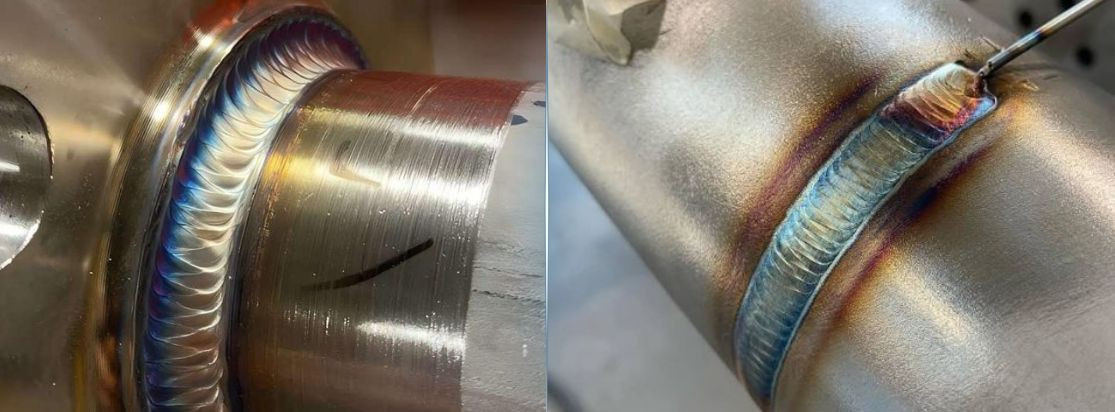
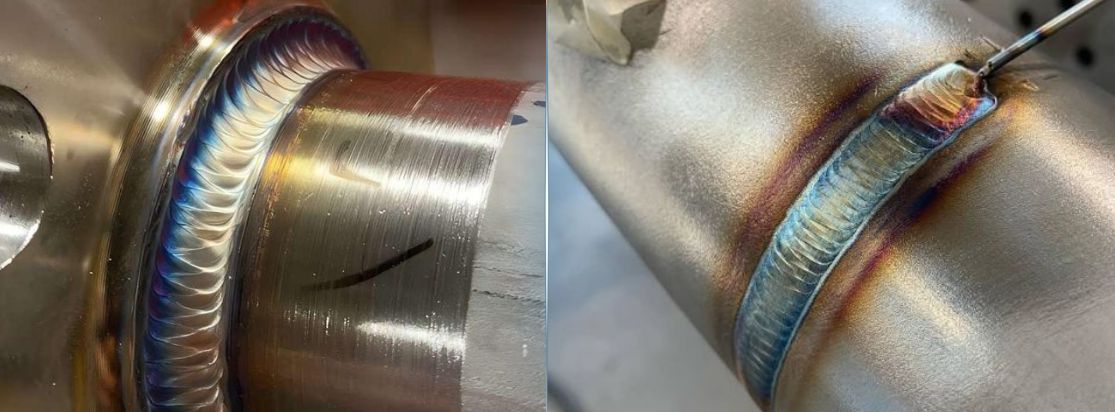
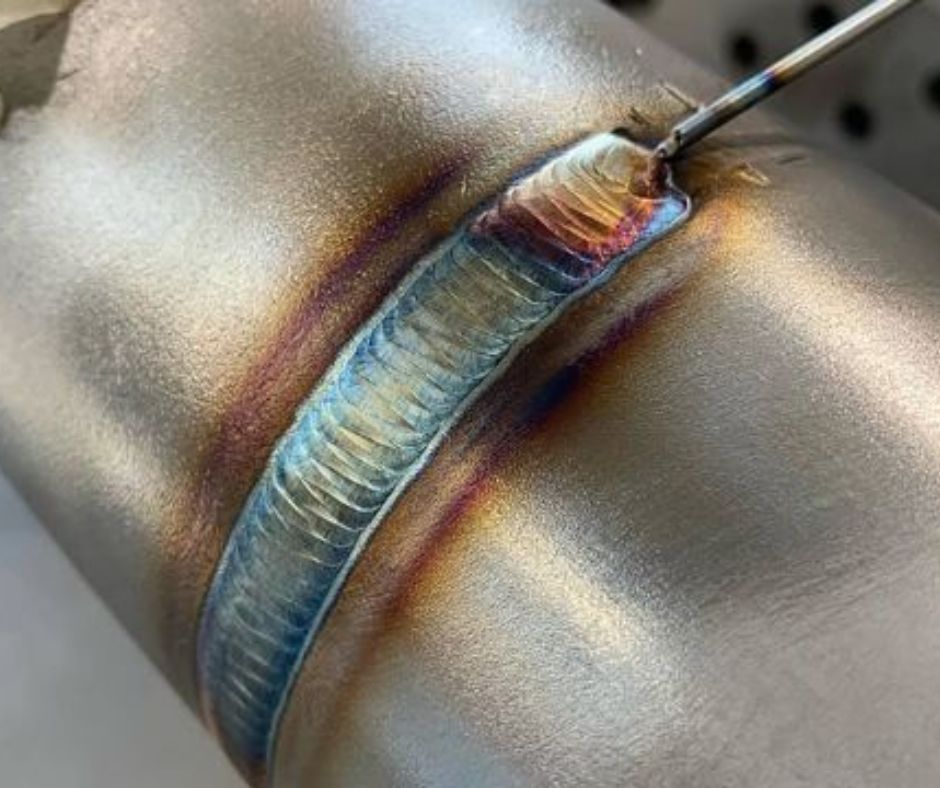
Increasing demands for quality and safety in industrial sectors place welding at the heart of manufacturing processes. The accuracy of metal assemblies relies on mastering proven techniques as well as maintaining constant attention to detail and parameter optimization. Welding professionals, faced with diverse materials and complex assemblies, must demonstrate advanced expertise while meeting productivity requirements. A methodical approach combined with a deep understanding of various methods and settings ensures welds that are strong, consistent, and visually clean while minimizing the risks inherent to this activity.
Mastering the Different Welding Methods
The diversity of welding processes meets the wide range of industrial applications. Each method has specific characteristics that directly affect joint quality and overall productivity.
MIG Welding: Simplicity and Versatility
MIG (Metal Inert Gas) welding is known for its ease of learning and fast execution. This process uses a continuously fed consumable wire electrode protected by an inert gas that prevents contamination of the weld pool. It is particularly suitable for joining mild steel, aluminum, or stainless steel in production workshops.
Adjusting the gas flow is essential: a rate between 20 and 30 cubic feet per hour ensures effective protection against oxidation. In case of strong air currents, this setting should be re-evaluated or a windscreen installed to maintain weld pool integrity. The cleanliness of the workpiece is crucial; any rust, oil, or paint negatively affects weld quality. Thorough cleaning with a wire brush or grinder is necessary before each operation.
Managing stick-out length—the distance between the wire and the nozzle—determines arc stability. For MIG welding, a value around 12 mm provides steady fusion. Too short increases overheating risk, while too long reduces penetration.
TIG Welding: Precision and Superior Finish
The TIG (Tungsten Inert Gas) process is distinguished by its ability to produce exceptionally fine, spatter-free weld beads. The non-consumable tungsten electrode provides arc stability and allows welding of sensitive alloys such as aluminum or titanium. This method requires high manual skill, especially to coordinate torch movement with filler material feeding.
To achieve optimal TIG performance, voltage, argon gas flow, and travel speed must be precisely adjusted to avoid overheating or internal defects. Pre-cleaning the workpieces is essential to maintain joint purity.
Arc Welding: Strength for Demanding Assemblies
Manual arc welding with a coated electrode remains essential in industrial environments and construction sites. It easily adapts to thick or low-alloy metals thanks to the variety of available electrodes (E6010 for deep penetration, E7018 for smooth surface finish).
Success depends on choosing the correct electrode type based on the metal’s nature and thickness. Too much current causes spatter and deformation; too little compromises joint strength. Manufacturers specify recommended ranges on packaging—following these ensures a stable, efficient arc.
The electrode angle determines the final result: maintaining a drag angle between 5° and 15° optimizes penetration while controlling slag flow.
Optimizing Welding Parameters
Accurate parameter adjustments directly affect the quality of welded metal assemblies. Neglecting these settings exposes welders to structural or visual defects that compromise final reliability.
Fine Adjustment of Voltage and Amperage
In-depth knowledge of machine specifications is crucial for adapting amperage and voltage for each application:
- Thick materials: use higher values to ensure sufficient penetration.
- Thin materials: lower values prevent burning or warping.
Gradual adjustments are recommended until a steady, crackling sound is achieved—an indicator of good metal transfer in MIG or TIG welding.
Gas Flow Control
Too little flow exposes the weld pool to air, leading to porosity or inclusions. Excessive flow wastes shielding gas without added benefit. Regularly checking pressure gauges, especially in windy conditions, ensures a stable protective atmosphere around the weld bead.
Optimal Wire Feed Management (MIG)
Irregular feeding causes arc interruptions or excessive metal buildup at the weld point:
- Check the condition of drive rollers.
- Inspect the spool and liner regularly for bends or dirt.
- Match wire diameter to the application: fine wire (<0.8 mm) for thin sheets; thicker wire (>0.9 mm) for heavy-duty assemblies.
Consistent Travel Speed Control
Maintaining a steady pace prevents harmful heat accumulation and excessive shrinkage.
| Speed too fast | Proper speed | Speed too slow |
|---|---|---|
| Narrow weld | Uniform joint | Deformation / excessive heat |
| Lack of strength | Good strength | Risk of burn / warping |
Careful observation of the molten pool naturally helps find the optimal rhythm: neither haste nor prolonged stagnation should disrupt this dynamic process.
Essential Tips to Improve Welding Quality and Safety
Achieving flawless results requires both precise technical mastery, strict compliance with personal safety guidelines, and methodical preparation before each operation.
Techniques for Strong and Uniform Welds
Several concrete measures directly strengthen the structural integrity and visual appearance of the joint:
Thorough Cleaning Before Work
Any impurity—dust, industrial oil, or traces of oxidation—can become a weak point, promoting microcracks or internal porosity after solidification. Vigorous brushing with a wire brush effectively removes these contaminants, whether on steel or aluminum.
Proper Choice of Filler Material
The wire or rod must exactly match the metallurgical nature of the base metal:
- Clean steel: ER70S-6 recommended
- Slightly oxidized surface: ER70S-3 preferable
- Heavy-duty work: diameter > 0.9 mm
Using an unsuitable filler material significantly increases the risk of structural failure under mechanical stress after assembly.
Prefer Segmented and Controlled Welds
For thermally sensitive parts (thin sheets), performing several small, spaced passes allows better heat distribution and limits overall distortion. This technique ensures homogeneous fusion without local carbonization or visual defects at the ends.
Optimization of Working Angle
Maintaining a constant angle between 10° and 15° during manual guidance promotes even lateral fusion and smooth progression, while reducing the risk of inclusions or excessive spatter.
Post-Weld Treatment Between Passes
In multipass welding, carefully chipping each intermediate layer with a chipping hammer followed by wire brushing removes residual slag and prevents inclusions that could weaken the final structure.
Safety Measures and Risk Prevention
Protecting the welder’s physical integrity and ensuring a safe environment require both anticipation and proper equipment.
Complete Personal Protective Equipment
Prolonged exposure to UV rays and molten spatter makes it essential to wear:
- Auto-darkening welding helmet with adjustable shade
- Heat-resistant insulating gloves
- High safety boots
- Flame-retardant clothing covering the body (jacket and long sleeves)
Any exposed skin increases the risk of accidental burns, even during short operations under high heat.
Reliable Grounding and Safe Environment
Attaching the ground clamp to a clean metallic area close to the work zone stabilizes the electric arc. Avoiding rusty or distant points limits unexpected interruptions during critical operations.
Humidity Control
Storing rods and electrodes in a dry location prevents hydrogen absorption, the main cause of internal cracking under stress. A drying oven is recommended for low-hydrogen electrodes.
Active Thermal Management
Alternating welding speed and evenly distributing passes reduce localized heat buildup responsible for deformation or early cracking in fragile materials.
Use of Anti-Spatter Products
Applying a targeted anti-spatter spray on the torch prevents buildup, simplifies maintenance, and reduces downtime between repeated runs.
Continuous Monitoring of Gas Atmosphere
Adjusting the shielding gas flow according to ambient conditions prevents waste and maintains an effective inert atmosphere around the weld pool, even in semi-open environments exposed to drafts.
The combination of optimized techniques, proven practical tips, and strict safety protocols provides all the necessary conditions for achieving durable welds from the first attempt while ensuring operator and equipment safety. For specific requests or personalized technical assessments, contact our technical department today to develop your optimal welding plan together.
Let’s talk about your project
An industry expert will respond within 24 business hours.
The main welding methods discussed are MIG welding, TIG welding, and manual arc welding with coated electrodes.
MIG welding is valued for its ease of learning, fast execution, and versatility—particularly for joining mild steel, aluminum, and stainless steel.
TIG welding stands out for its ability to produce fine, spatter-free weld beads, making it ideal for sensitive alloys such as aluminum or titanium, and it requires a high level of manual skill.
Optimizing voltage, amperage, gas flow, wire feed rate, and travel speed is essential to achieve a quality weld.
Cleaning removes impurities such as rust, oil, or paint that could compromise weld quality by introducing structural defects.
It is recommended to wear an auto-darkening welding helmet, heat-resistant gloves, high safety boots, and flame-retardant clothing to protect against UV radiation and molten spatter.
To prevent moisture-related defects, electrodes should be stored in a dry place and dried in a dedicated oven for low-hydrogen types.