I. Understanding Filler Metals for Welding: Types and Applications
Welding is an essential technique in many industrial sectors. The quality of a weld largely depends on the filler metals used. These materials play a critical role in the strength, durability, and corrosion resistance of welded joints. This article explores the various types of filler metals, their standardization, and their specific applications in welding.
1. Exploring Welding Wires for Different Types of Steels
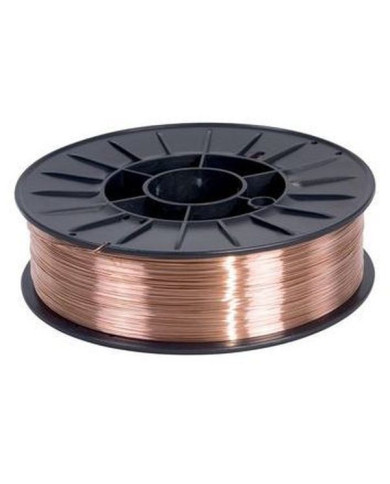
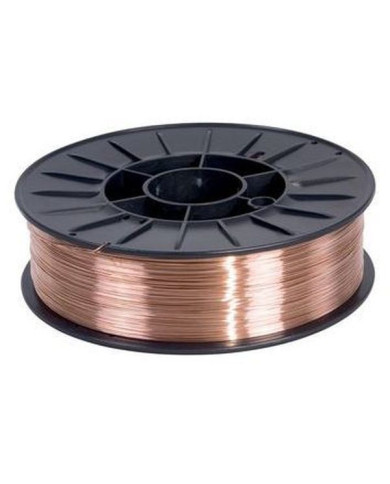
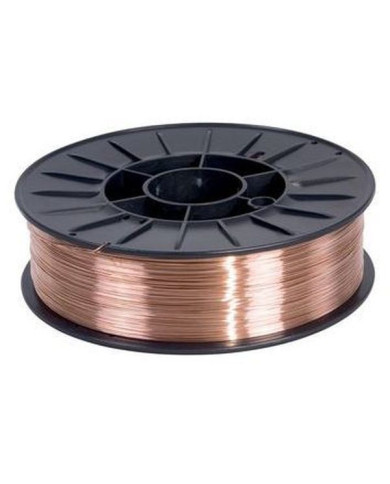
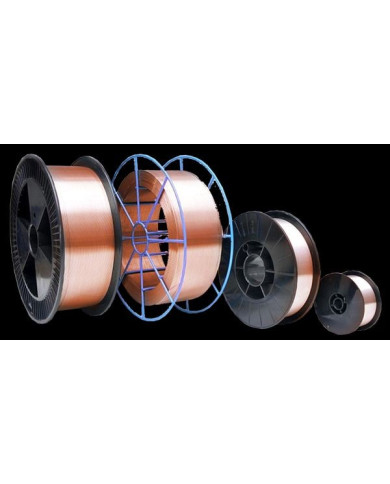
In MIG/MAG welding, wires are key components, especially when working with unalloyed or low-alloy steels. Standard NF EN 440 defines a range of wires, among which G2Si1, G3Si1, and G4Si1 are particularly common. These wires stand out due to their silicon and manganese content—elements important for weld strength and quality. These wire types are widely used for their efficiency and reliability.
For fine-grain steels, wires like G4Mo and G3Ni1 are often preferred. Their chemical composition is designed to offer strong welds that can withstand mechanical stress. Flux-cored electrodes, classified under NF EN 758, are also commonly used. These are available in rutile, basic, and metal-cored variants—each offering specific properties to meet different welding requirements.
Self-shielded flux-cored wires, although less common, have the advantage of not requiring shielding gas. This makes them especially useful for hardfacing operations, where practicality and speed are crucial factors.
2. Filler Metals for Stainless Steels and High-Performance Alloys
Highly alloyed steels and nickel-based alloys present unique challenges in welding. They require specific filler metals to ensure high-quality welds. Standards NF EN 12070 and NF EN 12072 define the criteria for these filler metals, ensuring optimal performance in terms of corrosion resistance and durability.
Shielding gases play an equally vital role. Mixtures of argon with CO2 or oxygen are often used, as they directly affect weld quality. Poor gas selection can lead to the formation of undesirable oxide layers, thereby compromising the corrosion resistance of the welded joint.
II. Advanced Welding Techniques for Specific Materials
Welding specific materials like aluminum and copper requires advanced techniques and special precautions. Due to their unique properties, these materials pose challenges that only tailored welding processes can overcome.
1. Welding Aluminum and Its Alloys: Challenges and Solutions
Aluminum, known for its high thermal conductivity, requires a specific approach during welding. The MIG process is generally used, with shielding gases such as argon and helium. These gases help compensate for aluminum’s high thermal conductivity, allowing uniform penetration and reducing the risk of porosity.
For thick parts, preheating is often necessary. This step ensures good penetration and minimizes the risk of porosity by allowing molten metal time to release gases before solidification. Aluminum alloys like AlMg and AlSi must be selected carefully to avoid hot cracking—a common issue when unsuitable materials are used.
2. Welding Copper and Copper Alloys: Techniques and Precautions
Copper and its alloys, such as aluminum bronze, also pose challenges due to their high thermal conductivity. Adequate preheating is essential to prevent fusion defects, which could compromise weld integrity. In MIG brazing, silicon or tin bronze wires are commonly used. These materials help reduce zinc evaporation when assembling galvanized sheets, which is crucial for preserving corrosion protection.
In MIG brazing, mastering the technique is important to avoid excessive penetration into the underlying steel. This requires precise adjustment of welding parameters and proper torch positioning, ensuring the arc initiates only in the weld pool.
In conclusion, understanding filler metals and welding techniques suited to each material is essential to ensure high-quality welds. The standards and practices outlined here provide a solid foundation for welding professionals, enabling them to optimize their processes and meet the specific demands of each project. With the constant evolution of technologies and materials, staying informed about the latest advancements is critical to maintaining high standards in the welding industry.

 Français



_11zon.webp)


_14_11zon.webp)
_6_11zon.webp)