
 Français



_11zon.webp)


_14_11zon.webp)
_6_11zon.webp)



Complete Guide: Safe Lifting Accessories
- Nada Iddouch
- 18 Jun, 2025
- Home
I. Understanding the Different Categories of Lifting and Handling Accessories
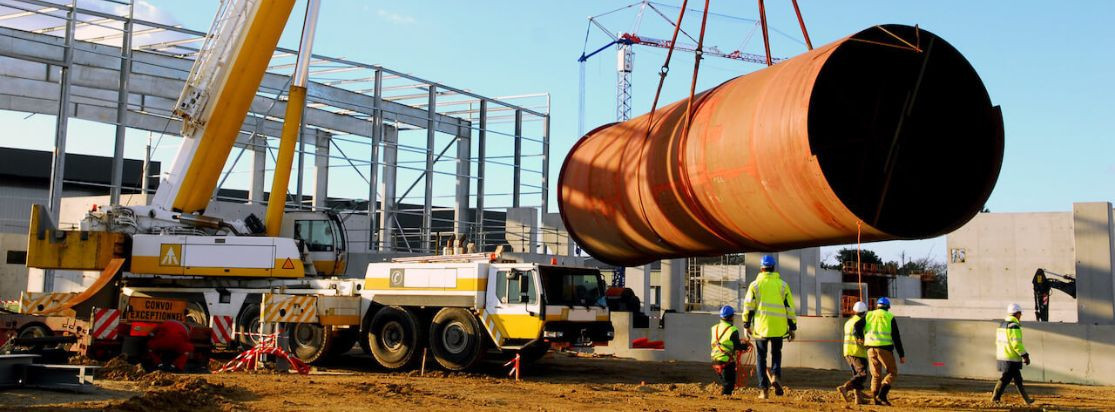
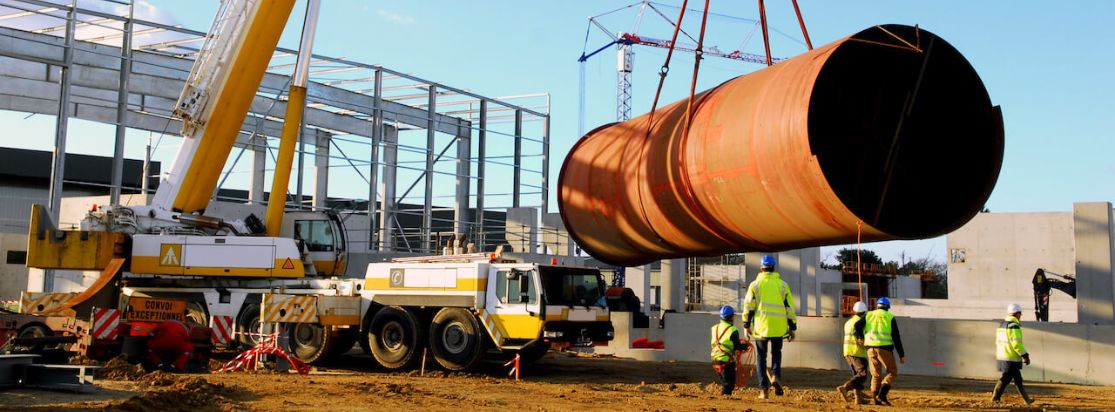
In the world of lifting and handling, accessories play a key role in ensuring not only efficiency but also the safety of operations. These tools make it possible to handle, transport, and secure loads with precision and reliability. Let's explore the main categories of accessories that are essential in this field.
1. Hooks and Hoists: Essential Lifting Components
Hooks: Discover the various types of hooks, their load capacities, and locking systems
Hooks are indispensable components for lifting and suspending loads. Their design varies depending on the specific needs of each operation. The different types of hooks available on the market include options with various load capacities, tailored to the weight of the objects being handled. Locking systems also play a crucial role in ensuring that the load remains secure during lifting. These systems can be automatic or manual, offering flexibility of use based on safety and practicality requirements.
Hoists: Compare manual and electric hoists to determine which best suits your operational needs
Hoists are mechanisms used to lift or move heavy loads. They primarily come in two types: manual and electric. Manual hoists are ideal for lifting operations where electricity is not available or when manual control is preferred for precision. On the other hand, electric hoists offer a faster and less physically demanding solution, which is particularly useful in industrial environments where speed and efficiency are critical.
2. Clamps, Pulleys, and Lifting Rings: Facilitating Load Handling and Securing
Lifting Clamps: Learn how these tools enable safe handling of specific materials
Lifting clamps are designed to grip, hold, and handle specific materials such as metal plates, beams, or pipes. These tools are especially effective in ensuring that materials are moved safely without the risk of damage. Thanks to their specialized design, lifting clamps enable precise and secure handling, thereby reducing the risk of accidents or injuries.
Pulleys and Lifting Rings: Explore how these accessories distribute weight and secure loads during lifting
Pulleys and lifting rings play a vital role in distributing the weight of a load during lifting. Pulleys facilitate movement by reducing the effort required to lift heavy loads, while lifting rings ensure a secure attachment of loads to a crane or other lifting device. These accessories are essential for smooth and safe lifting operations, minimizing the risks associated with unbalanced or unstable loads.
II. Choosing the Right Lifting Accessories for Your Needs
To ensure the safety and performance of lifting and handling operations, it is crucial to choose the right accessories based on the specific requirements of each task.
1. Selection Criteria: Load Capacity, Material, and Certifications
Load Capacity and Material: Assess the importance of selecting stainless or galvanized steel accessories for enhanced durability
When selecting lifting accessories, load capacity is a top priority. It is vital to choose accessories with load ratings that are compatible with the weight of the objects being handled. Moreover, the manufacturing material significantly impacts the durability and wear resistance of the accessories. Materials such as stainless steel or galvanized steel are often preferred for their robustness, especially in corrosive or humid environments.
Certifications and Compliance: Ensure your accessories meet European standards for safety and performance
Compliance with standards is another critical aspect to consider. It is essential to ensure that lifting accessories conform to European standards (CE) and meet the requirements defined by relevant authorities. This compliance ensures not only the safety of operations but also the performance of the equipment.
2. Ergonomics and Expert Advice: Optimize Safety and Operator Comfort
The ergonomics of lifting equipment is a key factor in reducing the risk of musculoskeletal disorders for operators. Well-designed accessories enable easier and safer handling, minimizing physical effort and reducing the likelihood of injury from manual lifting.
III. Maintenance and Replacement of Lifting Accessories: Ensuring Longevity and Safety
Regular maintenance of lifting accessories is essential to ensure their longevity and to guarantee the safety of operations.
1. Essential Maintenance Practices for Your Accessories
Visual Inspection and Fastener Checks: Learn the key steps to inspect your equipment before each use
Before each use, it is essential to visually inspect lifting accessories for any deformation, cracks, or signs of wear. It is also important to regularly check fasteners and tightening elements to ensure that everything is securely in place. These inspection steps are crucial for preventing accidents and extending the service life of the equipment.
Periodic Checks by Experts: Understand the importance of regular inspections by a certified organization
In addition to visual inspections, periodic checks by a certified organization are necessary to ensure that equipment complies with current standards. These regular assessments by qualified experts confirm the good condition and compliance of the equipment, thereby ensuring optimal safety during use.
2. Replacement and Recycling: Properly Managing Used Lifting Accessories
Lifting accessories are subject to repeated mechanical stress. Over time, these tools may show signs of wear, deformation, or corrosion. When an accessory reaches the end of its usable life or displays any anomaly, it must be replaced immediately. This is essential to prevent accidents, ensure operator safety, and maintain compliance with standards such as EN 818 for lifting chains or ISO 7593 for textile slings.
Regular Inspections and Mandatory Replacement
Regulations require periodic inspections of lifting accessories by a competent person, typically every 6 to 12 months depending on the type of equipment. These inspections help detect signs of fatigue or degradation before they compromise safety. Any non-compliant or damaged accessory must be taken out of service and replaced immediately.
Recycling Used Equipment
Beyond simple replacement, the responsible management of used accessories includes recycling. Most of these tools are made from recyclable metals such as steel or stainless steel. Processing them through specialized channels reduces the environmental footprint of industrial activities while recovering valuable raw materials.
Recycling is part of compliance with environmental obligations, notably the European Directive 2008/98/EC on waste and the French Environmental Code. It is recommended to use certified service providers capable of ensuring management in accordance with current standards (e.g., ISO 14001 certification).
Best Practices to Adopt
- Store used equipment in a secure, dedicated area while awaiting disposal.
- Partner with a specialized processing center or certified industrial recycling company.
- Maintain a record of equipment disposal and treatment to ensure traceability and meet compliance requirements.
In conclusion, lifting and handling accessories are essential for ensuring safety and operational efficiency across various industrial sectors. By choosing the right equipment and maintaining it properly, you can optimize your processes and guarantee the safe and effective handling of loads.
When choosing lifting accessories, it is essential to consider the maximum load capacity, the type of material used (such as stainless steel or galvanized steel) to ensure strength and durability, and compliance with current European standards (such as EN 13155) to guarantee optimal safety and performance.
Manual hoists are ideal for lifting operations where electricity is not available or when manual control is preferred for greater precision. Electric hoists, on the other hand, offer a faster solution and require less physical effort, which is advantageous in industrial environments that demand speed and efficiency.
Regular maintenance of lifting accessories is essential to ensure their longevity and to guarantee safe operation. It includes visual inspections to detect any signs of wear, as well as periodic checks by experts to verify compliance with current standards.