
 Français



_11zon.webp)


_14_11zon.webp)
_6_11zon.webp)



5 Essential Stainless Steel Maintenance Tips for Indoor & Outdoor Shine
- Nada Iddouch
- 15 Oct, 2025
- Passivation
Stainless steel holds a central place in many industrial and domestic environments, prized for its aesthetic appeal and robustness. However, without regular maintenance and proper techniques, it can quickly lose its shine: fingerprints, stubborn stains, or early signs of corrosion can dull its surface. The frequency of use and exposure to various contaminants demand a methodical approach to ensure its longevity, both indoors and outdoors. Mastering the right maintenance practices helps prevent premature deterioration and preserves the material’s properties over time.
Advanced Techniques for Stainless Steel Maintenance
Interior Cleaning Methods to Preserve Stainless Steel’s Shine
In professional kitchens and industrial spaces, stainless steel is regularly exposed to grease, dust, and fingerprints. To maintain the polished appearance of interior surfaces, choosing the right cleaning tools is crucial. Using soft, clean, non-abrasive cloths minimizes the risk of micro-scratches that can damage the metal finish.
A damp cloth soaked in a solution of warm water and mild dish soap is a reliable method to remove most common dirt. After cleaning, rinse thoroughly with warm water. Immediate drying with an absorbent cloth prevents water marks and mineral deposits that can dull the surface.
Textured or brushed surfaces benefit from gentle scrubbing with a nylon brush, which removes residues without damaging the finish. By selecting accessories according to the surface type (smooth or textured) and the type of stain, cleaning becomes more effective while minimizing potential surface damage.
Strategies for Removing Common Indoor Contaminants
Each environment has its own sources of contamination. While greasy marks and food residues are common in kitchens, other pollutants—such as ink, industrial oil, or limescale—require specific treatments to preserve the metal’s integrity.
Grease and Fingerprints
Warm soapy water and a soft cloth effectively remove most fingerprints and dust without causing premature wear. Apply gently to avoid mechanical damage.
Ink Stains
Pen marks often resist standard cleaning. In such cases, using a solvent like isopropyl alcohol or xylene is appropriate. Always test the chosen product on an inconspicuous area to ensure no discoloration or dulling occurs. After the stain dissolves, rinse thoroughly and dry carefully.
Oily Residues
In industrial or mechanical settings, oil can penetrate stainless steel surfaces. Occasional use of xylene or isopropyl alcohol dissolves these substances effectively; if residues persist, mineral spirits provide a stronger alternative. A final wash with hot water removes chemical traces that could affect the surface.
Adhesive Marks
Sticky residues from labels or tape sometimes require prolonged soaking with alcohol or mineral spirits to soften the glue before gentle rubbing. Always perform a preliminary test in a hidden area and rinse thoroughly afterward.
Limescale Deposits
Limescale buildup often indicates repeated exposure to hard water. Applying vinegar dissolves these deposits thanks to its natural acidity; rinse thoroughly and dry carefully to restore original shine.
Throughout the process, avoid rough cloths and abrasive pads to protect the surface from superficial scratches that can permanently dull the material.
Protecting and Cleaning Outdoor Stainless Steel
Cleaning Techniques for Steel Exposed to the Elements
Outdoors, stainless steel structures face increased environmental stress: constant humidity, salty coastal air, or industrial deposits accelerate deterioration if no preventive action is taken. A careful assessment of the environment (marine proximity, high humidity levels) helps determine the right approach.
The first rule is to avoid abrasive sponges (sandpaper, steel wool) and aggressive cleaners that can permanently damage the naturally formed protective passive layer on stainless steel. For light dirt or atmospheric deposits, warm soapy water and non-abrasive tools are often sufficient.
For more persistent stains (such as mineral marks from acid rain), select a cleaner suited to the level of contamination. Products specifically formulated for outdoor stainless steel effectively prevent corrosion due to their controlled pH and absence of chlorinated agents.
In areas exposed to frequent salt spray or marine conditions:
- Regular cleaning reduces the risk of early pitting corrosion.
- Frequent inspections allow early treatment of localized orange spots.
Preventing and Treating Surface Damage
Over time and depending on exposure, even highly alloyed stainless steels can show forms of degradation: localized corrosion (pitting), light rust around joints, or discoloration near welds.
Superficial Corrosion
Rapid pitting often results from contamination by ferrous particles or prolonged contact with chloride agents found in natural environments (coastal areas). These marks must be treated as soon as they appear to prevent irreversible spreading:
- Use a stainless steel decontamination agent to remove residues and partially restore the passive layer.
- Rinse immediately after application to prevent side effects.
- Always handle these products in a ventilated area with proper protective gear (gloves, goggles).
Localized Rust Spots
Even when limited to welded joints or sensitive mechanical points, rust often indicates poor initial preparation or accidental introduction of oxidizable elements during assembly:
- Use a cleaner containing phosphoric, oxalic, or sulfamic acid to dissolve affected areas effectively.
- Always test on discreet zones before wider application.
- Strictly follow manufacturer guidelines regarding dilution and the standard “add acid to water” procedure to prevent thermal shock.
- Rinse thoroughly and dry immediately to neutralize any residual chemical activity.
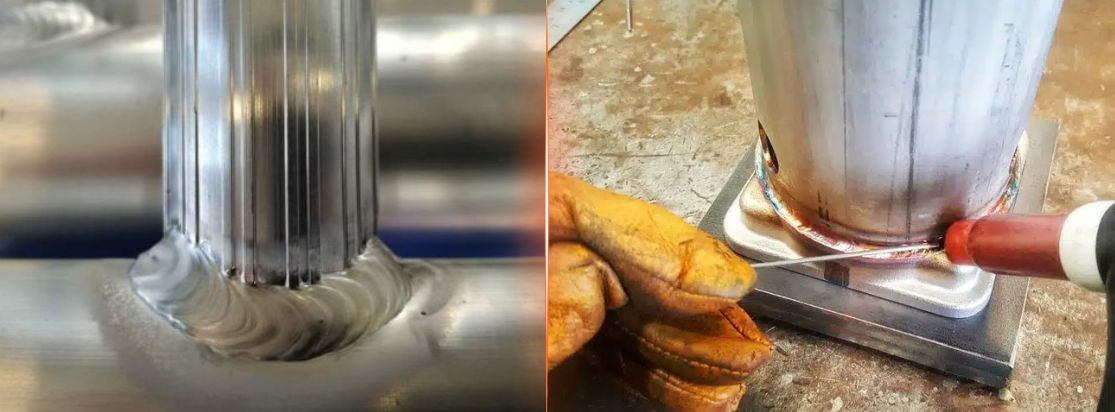
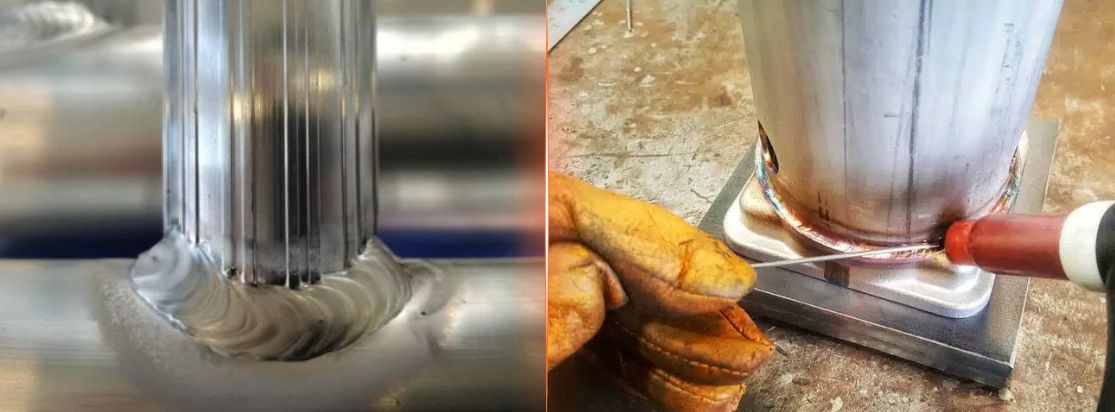
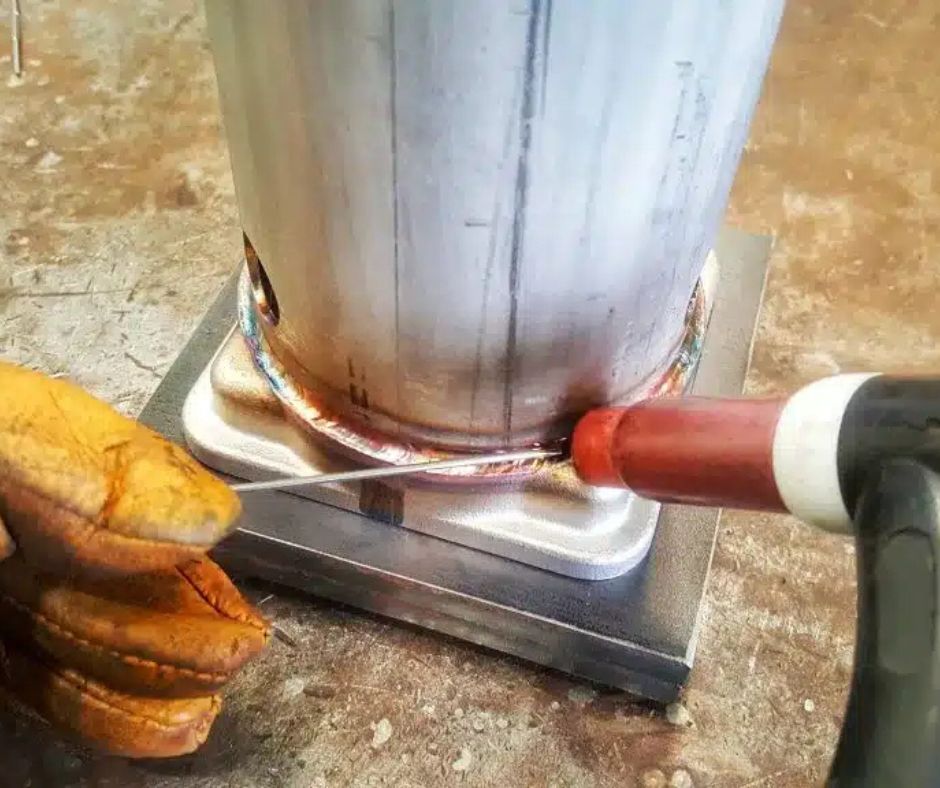
Discoloration Around Welds
When TIG welds leave colored halos after rapid cooling in open air:
- Use an electrolytic system such as a TIG brush for faster and safer treatment compared to chemical pickling pastes.
- This electrochemical method also promotes local repassivation, ensuring long-term corrosion resistance.
- Only trained operators with suitable equipment should perform this treatment to avoid electrical or thermal hazards.
- This technique significantly reduces the need for heavy PPE compared to concentrated acid processes but still requires strict adherence to safety protocols.
Additional Best Practices
- For maximum safety during outdoor treatments:
- Always work in well-ventilated areas away from ignition sources.
- Wear gloves, goggles, and aprons when using active products.
- Never skip the final rinse and general cleaning phase, as solvents can migrate through capillarity.
- Always refer to product technical datasheets since formulations vary between manufacturers and applications.
Preserving the original performance and aesthetics of stainless steel equipment requires strict adherence to proper methods. Each step improves both efficiency and operational safety. For specialized needs related to post-weld electrochemical treatment or demanding outdoor installations, contact our experts to define optimized protocols for your professional environment.
Let’s talk about your project
An industry expert will respond within 24 business hours.
Stainless steel can lose its shine due to the buildup of fingerprints, stubborn stains, or early signs of corrosion. Regular care and the use of proper techniques are essential to maintain its brightness.
Use soft, clean, non-abrasive cloths to avoid micro-scratches. A nylon brush can be used for textured surfaces.
Ink stains can be treated with isopropyl alcohol or xylene. It is recommended to test the product on a hidden area before application to avoid discoloration.
Isopropyl alcohol or xylene can dissolve oily residues. If needed, mineral spirits can be used. A final cleaning with hot water is recommended to remove chemical traces.
To prevent outdoor corrosion, regularly clean stainless steel with warm soapy water and use products specifically formulated for outdoor stainless steel, especially in marine environments.
Superficial corrosion can be treated with a stainless steel decontaminating agent, followed by immediate rinsing to minimize side effects.
To restore shine after welding, use an electrolytic system such as a TIG brush. This process promotes local repassivation and ensures long-term corrosion resistance.