
 Français



_11zon.webp)


_14_11zon.webp)
_6_11zon.webp)



Training & Maintenance for Fume Extractors
- Nada Iddouch
- 18 Dec, 2025
- Welding safety
Understanding the Importance of Fume Extractors in Welding
Risks Associated with Welding Fumes
On many industrial sites, operators are exposed to an invisible yet very real risk: exposure to fumes generated during welding operations. These emissions, often laden with metallic particles and toxic gases, directly compromise welders’ health. Inhaling these residues can lead to respiratory complications such as occupational asthma, chronic bronchitis, or emphysema. Over the long term, repeated exposure also increases the risk of lung cancer and may affect the central nervous system.
In the face of this health threat, it is essential to inform welding professionals about the exact nature of the risks involved. A thorough understanding of these hazards not only encourages responsible behavior at the workstation but also helps guide the choice of appropriate technical solutions to limit ambient air contamination.
Impact of Fume Extractors on Workplace Safety
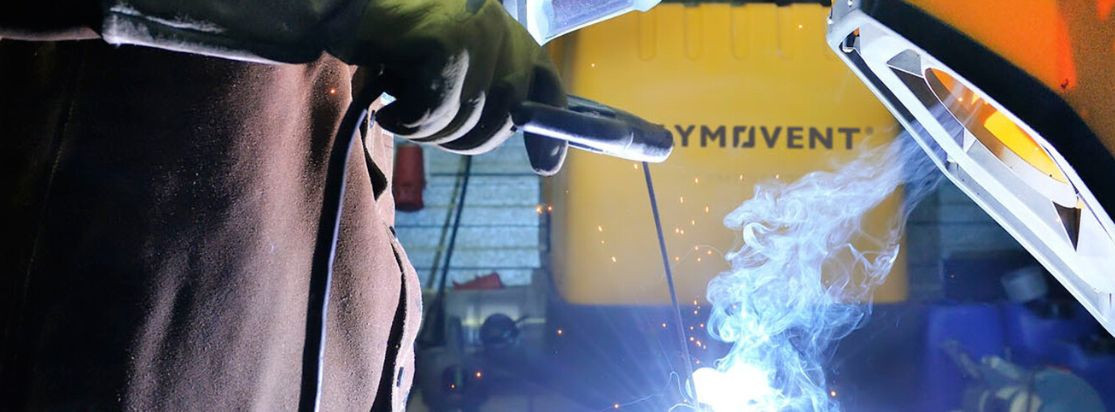
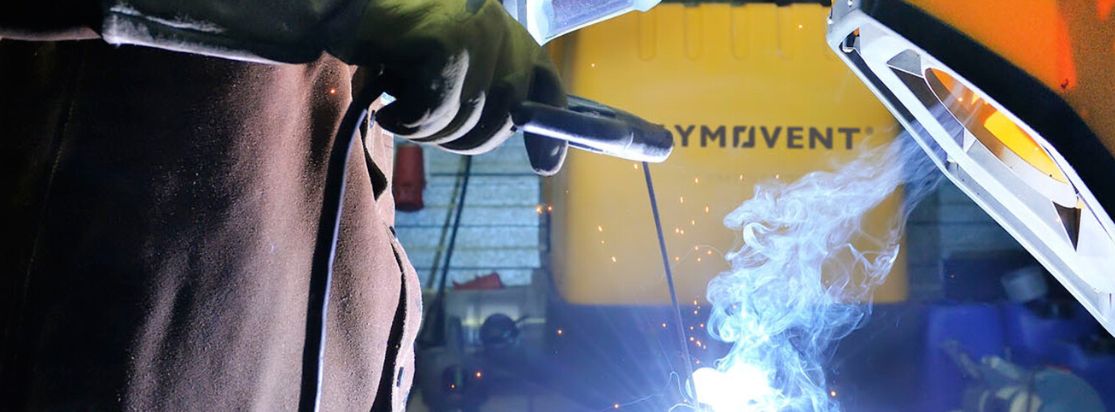
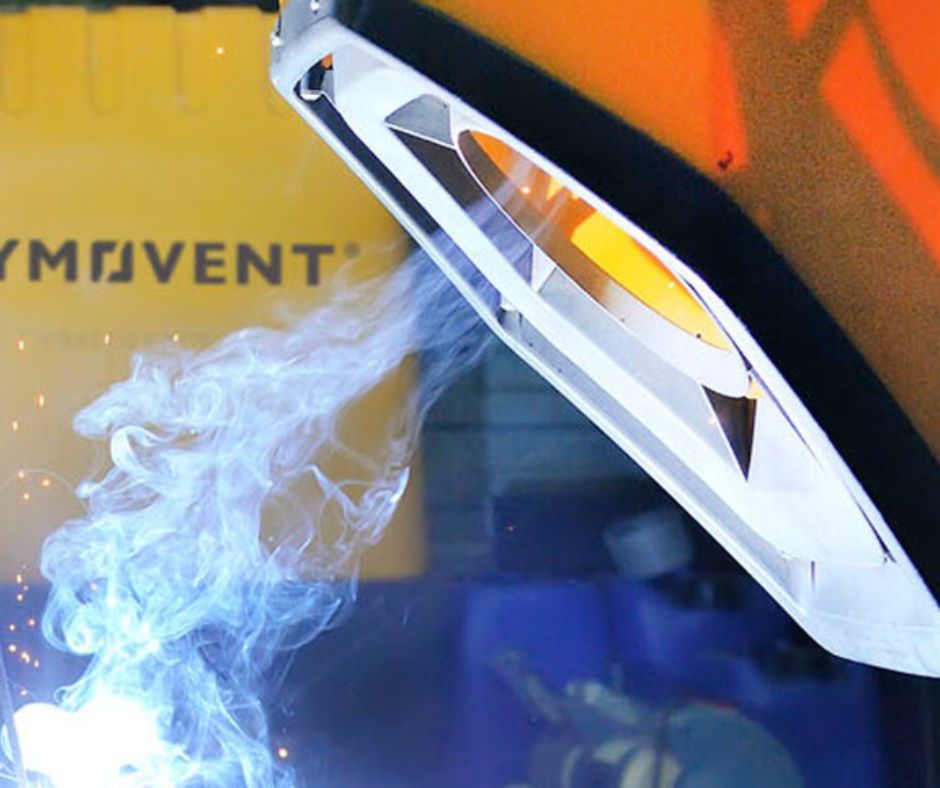
The integration of equipment dedicated to fume capture and extraction radically improves conditions on construction sites and in workshops. By efficiently removing harmful emissions at the source—whether via articulated arms, extraction torches, or portable units—these systems drastically reduce the concentration of chemical agents in operators’ working areas.
Collective safety is significantly enhanced: reduced accidental inhalation, less residue settling on surfaces and clothing (thereby limiting transfer outside the work zone), and decreased reliance on personal protective equipment such as heavy respiratory masks that are difficult to wear for extended periods. A healthy environment helps lower absenteeism rates and sustainably supports productivity by preventing occupational illnesses and long-term sick leave.
Training and Maintenance of Fume Extraction Systems
Training Welders in the Use of Extraction Equipment
An effective strategy to reduce exposure involves targeted training for welding personnel. Each type of equipment requires specific handling:
MIG Torches with Integrated Extraction
These tools combine conventional welding with localized extraction. Their operation differs only slightly from standard models: learning how to regularly replace the contact tip and perform routine maintenance (gas nozzle, diffuser) ensures optimal performance. Particular attention must be paid to correctly handling the trigger that adjusts airflow. This adjustment is essential to preserve shielding gas during work in confined or hard-to-reach areas, ensuring that only pollutants are captured without disrupting the metal inert gas welding process.
Articulated Arms and Mobile Nozzles
To effectively capture pollutants, correct positioning of the articulated arm is crucial: it should remain suspended just above the molten weld pool—ideally at a distance equal to or less than three times its diameter to ensure maximum capture efficiency. If fumes are not fully extracted immediately, quick repositioning is required. During long weld passes (over 30–45 cm), closely following the movement of the heat source further optimizes performance.
Magnetic or suction nozzles also require careful attention: their small size demands consistently close placement to the source point to maintain effectiveness throughout the weld bead.
Self-Contained Portable Units
For this type of mobile equipment, mastering a few essential operations is often sufficient: correctly starting and stopping the machine, whether manually controlled or operated via integrated automation; regularly monitoring filter condition using the pressure gauge or indicator light; and carrying out periodic cleaning in accordance with the manufacturer’s instructions (manual or automatic, depending on the model). Frequent checks help prevent sudden performance degradation caused by undetected filter clogging.
Fixed Central Systems
In scenarios where multiple workstations share the same centralized extraction network, each operator must know precisely how to activate their own extraction: selective opening of wall dampers at the start of the shift or quick connection via a dedicated hose. Visual checks should then be performed to ensure everything operates correctly throughout the active period.
Preventive Actions at the Workstation
To keep these systems fully effective:
- Always avoid any obstruction between the heat source and the extraction nozzle or arm.
- Never position your head within the extraction airflow or artificially restrict it.
- Dynamically adjust positioning as needed during the operation (especially for long weld seams).
Role of the Maintenance Team in Extractor Upkeep
To ensure long-term, reliable, and high-performance extraction, industrial maintenance technicians are responsible for rigorous monitoring and regular preventive interventions.
Frequent General Inspections
Each component—fixed or mobile central unit, articulated flexible arm, or specific MIG extraction torch—requires:
- Detailed visual inspection
- Systematic filter checks (clogging status or replacement needs)
- Scheduled internal and external cleaning
- Immediate replacement if critical wear is suspected
Strict adherence to manufacturers’ recommendations significantly extends overall equipment lifespan while maintaining maximum efficiency and preventing performance loss caused by fine particle accumulation.
Module-Specific Maintenance
Certain elements require special attention:
- For MIG extraction torches: carefully ensure periodic replacement of wear parts (contact tip, nozzle, diffuser, etc.) and adjust the decompression mechanism when necessary.
- For central dust collectors: schedule automatic or manual filter cleaning operations according to the nature of the collected dust.
Detailed practical guides help streamline these repetitive tasks while minimizing unexpected machine downtime.
Responsiveness to Technical Incidents
Sudden equipment unavailability immediately exposes operators to the health risks mentioned above. As soon as a partial or total failure is identified:
1. Immediately shut down the affected equipment
2. Inform management and the dedicated technical team
3. Implement a temporary solution using appropriate PPE (individually fitted filtering masks)
4. Prioritize rapid repairs or replacements to restore compliant extraction before resuming normal operations
This structured approach effectively protects employees even in the face of unexpected equipment failures.
Let’s talk about your project
An industry expert will respond within 24 business hours.
There are several types of fume extractors, including MIG torches with integrated extraction, articulated arms, self-contained portable units, and fixed central systems.
By effectively removing harmful emissions, these devices lower the concentration of hazardous chemical substances, reduce the need for heavy respiratory masks, and decrease absenteeism caused by occupational illnesses.
Targeted training is required for each type of equipment to ensure proper use and maintenance. This includes handling MIG extraction torches, positioning articulated arms, and monitoring portable units.
Regular inspections, filter condition checks, equipment cleaning, and replacement of worn parts are crucial to maintain extractor efficiency.
Immediately shut down the equipment, inform the technical team, use temporary personal protective equipment, and prioritize repairs to restore normal extraction.
Avoid any obstruction between the heat source and the extractor, never place your head in the extraction airflow, and adjust your positioning as needed to maximize extraction efficiency.