
 Français



_11zon.webp)


_14_11zon.webp)
_6_11zon.webp)



Expert Tips for Welding Thin Metals
- Nada Iddouch
- 10 Feb, 2026
- Welding machine
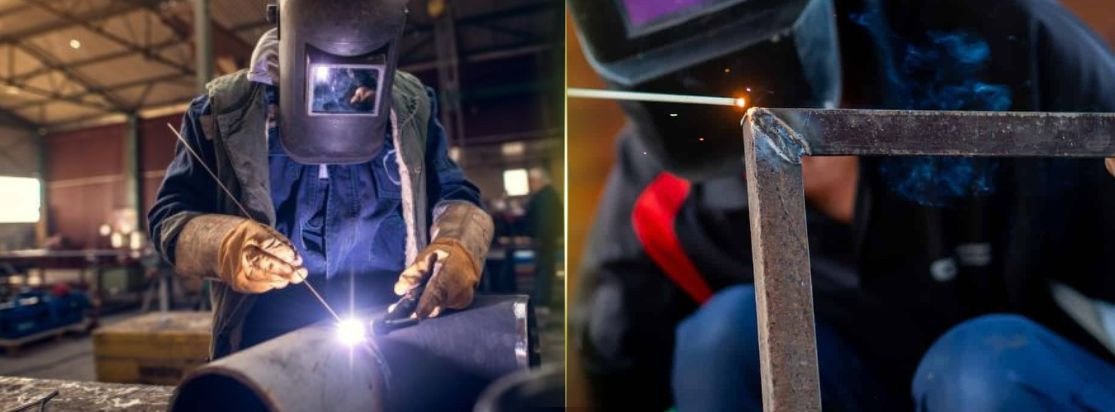
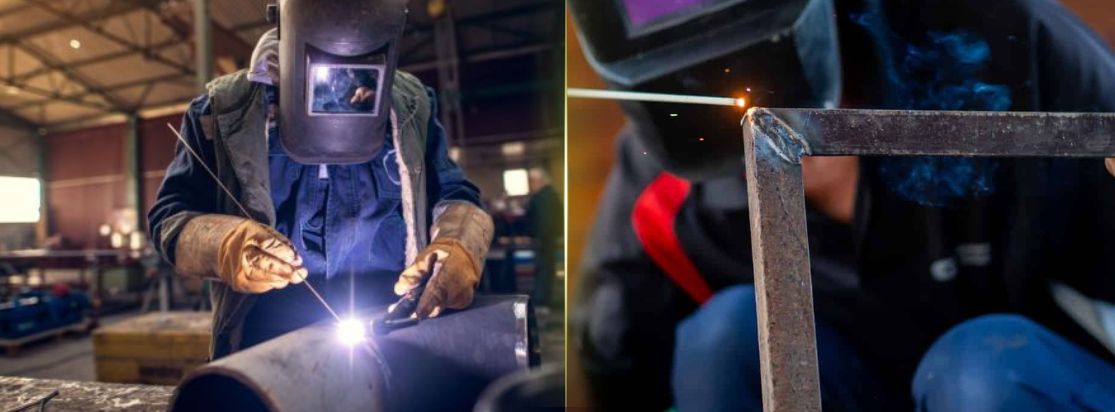
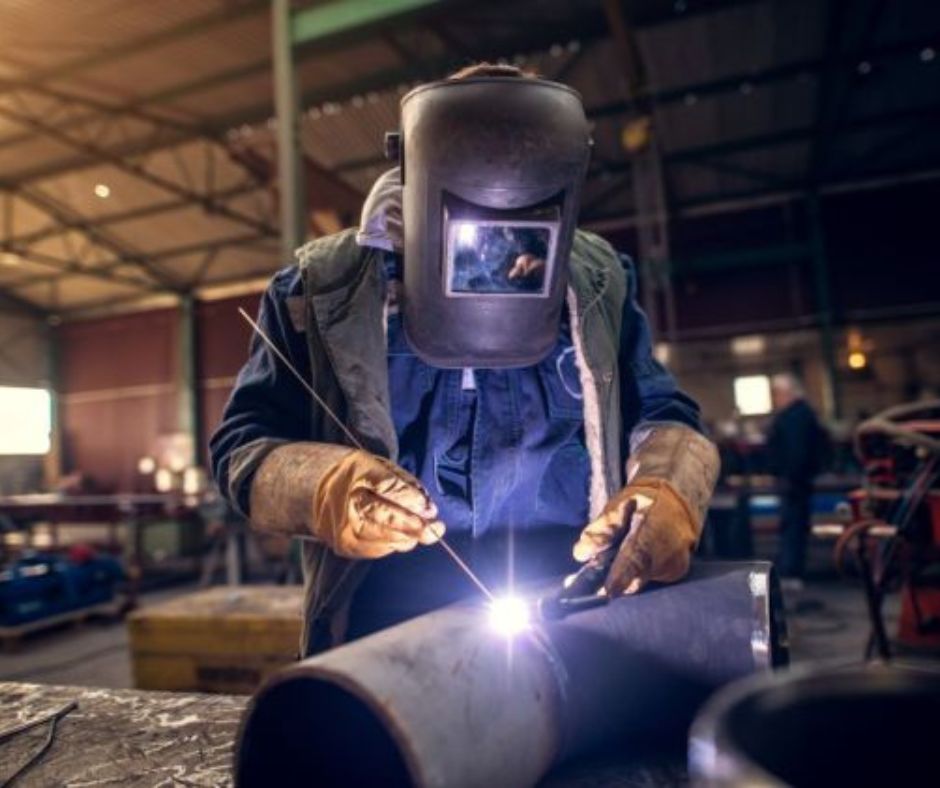
Welding thin metals presents specific challenges. These materials are sensitive to heat and can deform or be perforated. Achieving a clean weld with no visible defects requires a high level of technical skill as well as suitable equipment. Precise control of current, arc time, and temperature is essential to preserve the integrity of the workpiece.
Understanding welding techniques for thin metals
The challenges of welding thin metals and how to overcome them
Working on thin metal parts exposes the operator to several risks: burn-through, holes in the metal, deformation, or irregular weld beads. Poorly controlled heat input can quickly damage these fragile materials.
To limit defects, it is essential to use an appropriate electrical current: too high and it will burn through the sheet metal; too low and proper fusion will not occur. Travel speed also plays a major role: a movement that is too slow concentrates heat in the same area and causes localized overheating. Conversely, if it is too fast, penetration remains insufficient and the joint loses strength.
The use of thin electrodes helps achieve better control of the electric arc. Their smaller diameter locally limits heat input, reducing the risk of burn-through while promoting uniform fusion.
The quality of contact between the electrode holder and the electrode directly affects arc stability; poor clamping causes electrical interruptions that are detrimental to weld consistency.
In summary:
- Use an adjustable current
- Select an electrode diameter suited to the material thickness
- Adjust travel speed for each pass
- Ensure proper clamping at the electrode holder
The importance of precision and control when welding delicate materials
Achieving a clean result requires rigor and method. Even slight fluctuations in movement or current can create visible defects or compromise the overall structural integrity.
The welding machine must allow fine adjustment of the output current in order to precisely match the requirements of the metal being welded. Rigid cables also improve electrical transmission by limiting losses and maintaining a stable supply to the electrode.
Special attention must be paid to preparation: thoroughly cleaning the surfaces removes dust or oxides that could prevent proper fusion at the joint.
Finally, it is important to stop work immediately at the first sign of deformation, whether visible or audible (unusual cracking sounds). A pause then allows the metal to partially cool before resuming.
Equipment and methods for effective welding of light metals
Choosing the right equipment for shielded metal arc welding
The choice of equipment greatly influences success when working on thin sheets or light alloys. A machine dedicated to the SMAW process (manual metal arc welding with coated electrodes) is essential: it provides sufficient power and, above all, allows precise adjustment of current for each task.
Cables should be kept as short as possible to avoid significant current drops between the power source and the work area; their rigidity also makes positioning easier around fragile or confined parts.
The electrode holder must combine robustness—so it can withstand repeated cycles—and ergonomics: it should allow quick electrode changes without the risk of accidental loosening during bead formation.
To complete this main equipment:
- Keep several types and sizes of electrodes adapted to the thicknesses encountered
- Always wear filtered safety goggles to protect against UV/IR radiation
- Use insulating gloves suited to the current being used
- Prepare wire brushes and/or chemical cleaners to optimize each joint before striking the arc
Tips for optimizing the setup and use of your welding machine
Effective use is based mainly on two aspects: correctly setting up the equipment and ensuring safety throughout the operation.
Key settings:
- Current: always adapt it to the target thickness; start with a low value and increase very gradually.
- Electrode type and diameter: use thin electrodes (< 2 mm) whenever possible; prefer those specifically designed for low heat input.
- Arc length: consistently maintain a minimal distance between the electrode tip and the metal (around 1 mm in most cases).
- Travel speed: practice moving steadily—firmly but without rushing; observe metal color and fusion as visual indicators.
- Cabling: check for abnormal heating and poor contacts at the cable ends, holder, and machine.
- Regular surface cleaning: remove slag immediately after completing the bead before any necessary rework.
- Securing the work area: ensure the presence of a fire extinguisher and a thermal insulator under the part, especially for thin sheets that heat up significantly by conduction.
- Gradual cooling after each delicate pass: avoid excessive thermal shocks, which can cause initially invisible but long-term critical cracks.
All of these measures aim to ensure maximum stability during bead formation, which is essential for producing durable joints, including on low-alloy steels, aluminum, or certain precious metals used in fine electronics or industrial micro-mechanics.
Finally, ensure proper storage of remaining electrodes: excessive humidity severely degrades arc quality and fusion during later use.
By consistently applying these simple but essential adjustments in a professional B2B context, it becomes possible to significantly reduce scrap rates and, above all, to deliver clean, controlled joints that fully meet quality control requirements, whether internal or imposed by external clients.
Analysis of the specific requirements for thin-metal work shows that a precise SMAW machine, combined with robust and suitable accessories, is a decisive factor in meeting modern industry standards. To refine equipment selection or obtain personalized recommendations based on your current machine fleet, direct consultation with a professional tooling specialist remains the most relevant solution; a detailed quote can be provided quickly upon request.
Let’s talk about your project
An industry expert will respond within 24 business hours.
The main difficulties include heat sensitivity, the risk of burn-through, deformation, and irregularities in the weld bead.
To avoid defects, it is crucial to use an appropriate electrical current, control travel speed, and choose thin electrodes to limit heat input.
Precise current control allows the heat input to be matched to the metal’s requirements, preventing deformation and ensuring a strong, uniform weld.
An SMAW welding machine with precise adjustment, rigid cables, thin electrodes, filtered safety goggles, and insulating gloves are recommended for welding thin metals.
Surfaces must be thoroughly cleaned to remove dust and oxides, ensuring proper fusion at the joint.
It is recommended to adjust the current according to thickness, choose small-diameter electrodes, maintain a minimal arc length, and control travel speed.
Ensure the work area is secured, keep a fire extinguisher nearby, wear appropriate protective equipment, and manage gradual cooling of the welded parts.