I. Essential Equipment for Welders
Welding is an activity that exposes welders to various risks, including burns, inhalation of toxic fumes, and eye injuries. Therefore, it is imperative for welders to have proper personal protective equipment (PPE) to ensure their safety. This article explores the importance of PPE in risk prevention, the standards to be followed, and the essential equipment to protect the body, head, and work environment of welders.
1. The Importance of Personal Protective Equipment (PPE) for Welders
- Understanding the Role of PPE in Risk Prevention
Implementing a risk prevention policy in the workplace is crucial, and personal protective equipment serves as the last line of defense in this comprehensive strategy. Its role is to protect the health of professionals by reducing the risks of accidents and occupational diseases. For welders, who are exposed to dangers such as burns, electrical shocks, and inhalation of harmful particles, PPE is essential. These protective items create a barrier between the worker and their potentially hazardous environment.
- Standards and Regulations to Follow
Compliance with standards and regulations is fundamental not only for the safety of workers but also to ensure the legality of operations. In Europe, personal protective equipment must comply with CE standards. These standards certify that the equipment has been tested and meets the required safety criteria. For a welder, having compliant equipment is not just a legal obligation, but a necessity to ensure their own safety and that of their colleagues.
2. Essential Protective Equipment for Welders
- Body Protection: Gloves, Jacket, and Pants
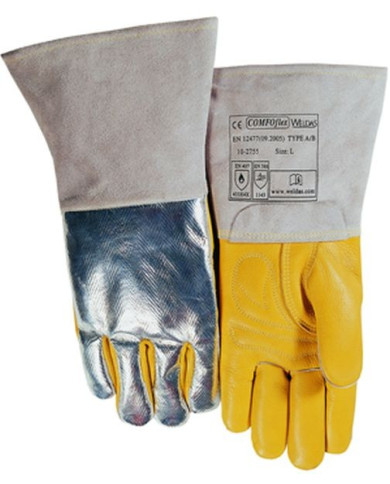
Welding gloves are essential to protect the welder's hands from thermal and electrical risks. They are typically made of leather, with two main variants: split leather and full-grain leather. Split leather, thick and durable, offers effective protection against heat and molten material splashes, although it reduces dexterity. In contrast, full-grain leather is more flexible and provides a better sense of contact, which is crucial for more delicate welding techniques such as TIG.
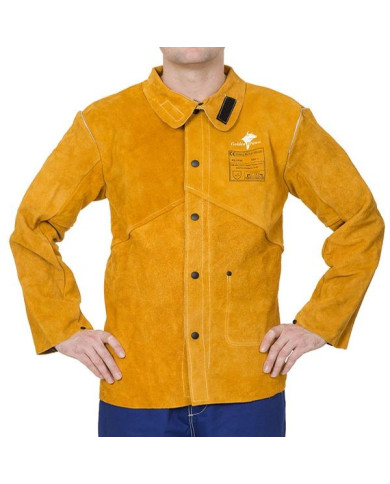
The work pants and jacket must also comply with CE standards. They are designed to resist heat and flames, often made from fire-retardant materials like treated cotton or special synthetic fibers. These garments should cover the safety shoes to prevent splashes from entering, and they are often dark-colored to reduce light reflections.
- Head and Face Protection: Hoods and Masks
The welding hood, also known as the welder's helmet, is one of the most essential pieces of personal protective equipment (PPE). It effectively protects the face and eyes from high temperatures, intense light, and ultraviolet (UV) and infrared (IR) radiation, which are invisible but particularly harmful. There are two main categories of hoods: passive filter models, with a fixed tinted glass, and active filter models, equipped with an LCD screen with automatic darkening, providing adaptive protection and more comfort during use. The choice between these two types depends on the welding type and the user's preferences.
Additionally, it is essential to consider respiratory protection: certain disposable dust masks or assisted ventilation systems can be worn under the hood or integrated directly into the helmet for maximum safety.
To learn more, check out our comprehensive guide: How to Choose Your Welding Hood?
3. Securing the Welder’s Work Environment
- Safety Shoes and Boots: Preventing Accidents
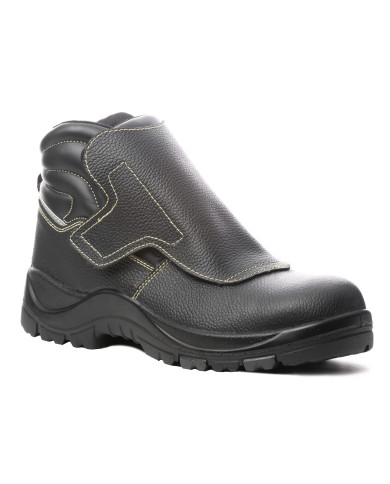
Safety shoes and boots are essential to protect the welder's feet from crushing and puncture risks. They must be durable, waterproof, and insulating to prevent electrical shocks and molten material splashes. Reinforced soles prevent sharp objects from penetrating, and the overall construction of the shoe must meet the relevant safety standards.
- Hearing Protection: Preventing Hearing Damage
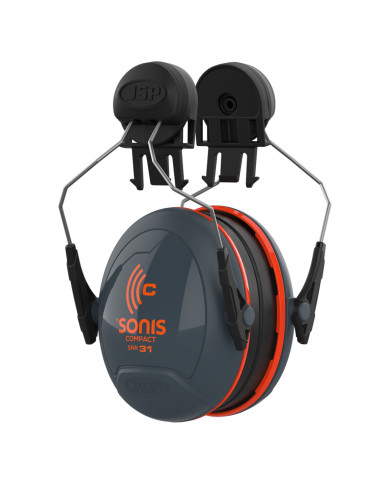
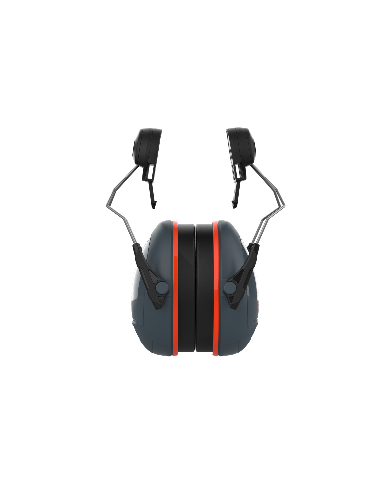
In a noisy work environment, hearing protection is essential to prevent irreversible hearing damage. The welder can choose between noise-canceling helmets with ear cups and earplugs, whether disposable or reusable. In addition to reducing noise levels, these devices prevent foreign objects from entering the ear canal, ensuring complete protection.
Personal protective equipment for welders is not a luxury but a vital necessity to ensure their safety and health at work. By adhering to safety standards and using the appropriate PPE, welders can protect themselves from a variety of occupational hazards. Understanding and rigorously applying safety standards and protective equipment are essential for maintaining a safe work environment and complying with current regulations.

 Français


_11zon.webp)


_14_11zon.webp)
_6_11zon.webp)



.png)