
 Français



_11zon.webp)


_14_11zon.webp)
_6_11zon.webp)



Modern Welding: Master the Right Techniques
- Nada Iddouch
- 06 Aug, 2025
- Welding techniques
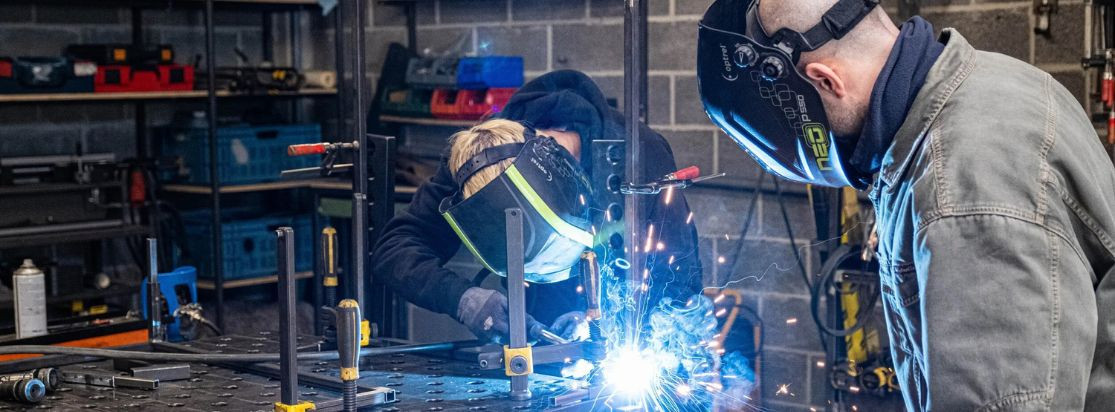
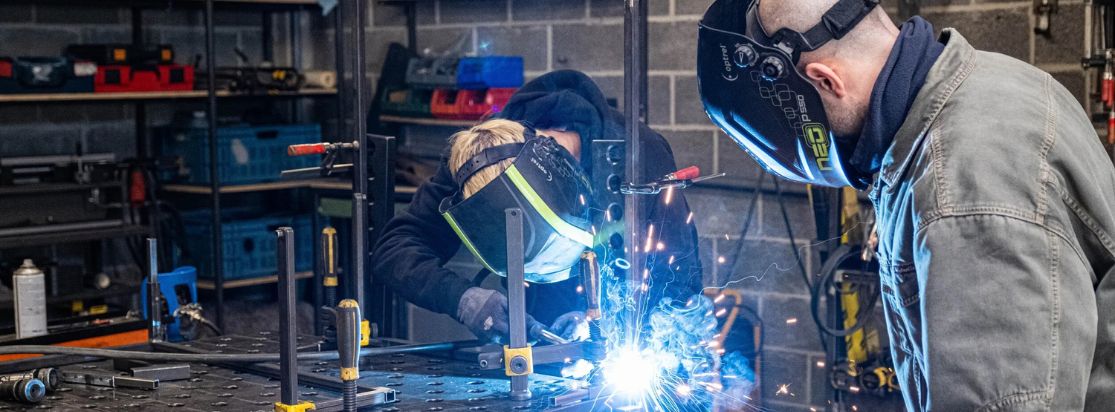
I. Understanding Welding Techniques for Optimal Results
In the industrial and artisanal world, welding is an essential skill. Technological advancements have transformed this practice, offering a multitude of techniques suited to various applications. In 2023, the global welding market was valued at several billion dollars, underscoring the importance of this skill in sectors as diverse as aerospace, automotive, and even art. This article aims to explore modern welding techniques, highlighting their specificities, advantages, and practical applications.
1. Exploring Modern Welding Techniques
Welding is far from a simple fusion of metals. It is a complex art, where each technique has its own signature. Among the predominant methods, TIG (Tungsten Inert Gas), MIG (Metal Inert Gas), and arc welding stand out for their precision and efficiency.
TIG welding is characterized by the use of a tungsten electrode and an inert gas, often argon, to protect the weld area. This process is prized for its precision, allowing for clean and aesthetic welds, ideal for applications requiring great finesse. Its versatility is also an asset, as it adapts to a variety of metals, from stainless steel to aluminum. However, the complexity of its implementation and the cost of equipment can be obstacles for some.
In comparison, MIG welding is often preferred for its ease of use and speed. It uses an automatically fed wire electrode and an inert gas to protect the weld. This method is particularly effective for covering large areas quickly while maintaining high weld quality. However, equipment costs and the need for a constant gas supply can be limiting factors.
Arc welding, on the other hand, relies on the use of an electric arc to fuse metals. It is appreciated for its robustness and ability to be used in various environments, including outdoors. Although requiring a certain level of expertise, it remains an economical and versatile technique.
2. Comparing Welding Methods: Choosing the Right Technique
Choosing the right welding method depends on several criteria: the nature of the material, the thickness of the pieces, the work environment, and the overall cost. For example, for welds requiring an impeccable finish, TIG is often recommended. For projects requiring speed and efficiency, MIG is a wise choice. Finally, for outdoor environments or thick materials, arc welding offers a robust solution.
II. Mastering Welding Techniques: Practices and Applications
1. Practical Applications of Welding Techniques
In the automotive sector, MIG welding is commonly used to assemble chassis and bodies. Its speed and ability to produce strong welds make it a preferred choice. Conversely, the aerospace industry, where precision is crucial, often turns to TIG to ensure flawless welds.
In the field of craftsmanship, TIG welding is also valued for its ability to achieve aesthetic finishes, essential in metal sculpture. Brazing, another technique, finds its place in the manufacture of electronic components and plumbing, thanks to its ability to join dissimilar materials without deforming them.
2. Tips to Improve the Quality of Your Welds
To ensure high-quality welds, several practices are recommended. Surface preparation is paramount: they must be free of rust and contaminants. Proper adjustment of welding parameters, such as current intensity and welding speed, is also crucial to avoid common defects. Finally, controlling the welding speed helps ensure homogeneous fusion and prevent distortions.
In conclusion, mastering modern welding techniques is essential for achieving optimal results. Each method has its own advantages and must be chosen based on the specificities of the project. By applying expert practical advice, you can not only improve the quality of your welds but also optimize your efficiency and productivity.
The main modern welding techniques include TIG, MIG, and arc welding. TIG is ideal for precise and aesthetic welds in industries such as aerospace and craftsmanship. MIG is preferred for its speed in assembling large structures, particularly in the automotive industry. Arc welding is versatile and robust, suitable for outdoor environments and thick materials.
TIG welding offers high precision and aesthetic welds, suitable for a variety of metals. However, it is complex to implement and requires expensive equipment, which can be a barrier for some users.
MIG welding is chosen for its ease of use and ability to quickly cover large areas while maintaining high weld quality. However, it requires a constant supply of gas and specific equipment, which can incur additional costs.
Criteria include the nature of the material, the thickness of the pieces, the working environment, and the overall cost. For example, TIG is recommended for impeccable finishes, MIG for speed, and arc welding for outdoor environments or thick materials.
To improve the quality of welds, it is essential to properly prepare the surfaces, adequately adjust welding parameters such as current intensity and speed, and control the welding speed to ensure even fusion and avoid distortions.