I. Identifying and Preventing Risks in Metalworking
In the dynamic metalworking sector, professionals face a variety of risks on a daily basis. Whether during the design, fabrication, or installation of metal structures, hazards are ever-present. From burns and exposure to welding fumes to musculoskeletal injuries, the challenges are numerous. However, with proper measures, it is possible to effectively protect workers' health. This guide explores strategies for identifying and preventing these risks, ensuring a safer working environment.
1. Understanding Occupational Risks in Metalworking
Metalworking trades—including metal locksmiths, metal joiners, and boilermakers—expose workers to a wide range of hazards. Welding, for instance, is a major source of risks due to toxic fumes and potential burns. Additionally, handling operations such as transporting and assembling sheets and profiles increase the likelihood of physical injuries.
Musculoskeletal disorders (MSDs) are particularly common in this field. Back pain and joint issues often result from poor posture or repeated handling of heavy loads. These injuries can lead to extended work absences, impacting both employee health and company productivity.
To fully understand these risks, it is crucial to identify them precisely. This enables the implementation of appropriate preventive measures, thereby reducing accidents and occupational illnesses.
2. Tools and Methods for Risk Assessment
Assessing occupational risks is a fundamental pillar of ensuring safety within metalworking companies. The Single Document for the Evaluation of Professional Risks (DUER) is an essential tool in this process. Mandatory as soon as the first employee is hired, this document records the results of the health and safety risk assessments.
To support this assessment, free and anonymous online platforms are made available by organizations such as the French National Health Insurance (Assurance Maladie) and the National Institute for Research and Safety (INRS). These interactive tools guide employers through a structured questionnaire tailored to the specificities of their sector. They not only ensure legal compliance but also help adapt preventive measures to the particular needs of each business.
Regularly updating the DUER is essential, especially in cases of changing working conditions or the emergence of new risks. By integrating these factors into the assessment, companies can better anticipate dangers and strengthen employee safety.
II. Prevention Strategies and Best Practices in Metalworking
Once risks are identified, implementing effective prevention strategies becomes imperative. These often simple and low-cost measures can significantly improve worker safety and the overall performance of the company.
1. Implementing Effective Safety Measures
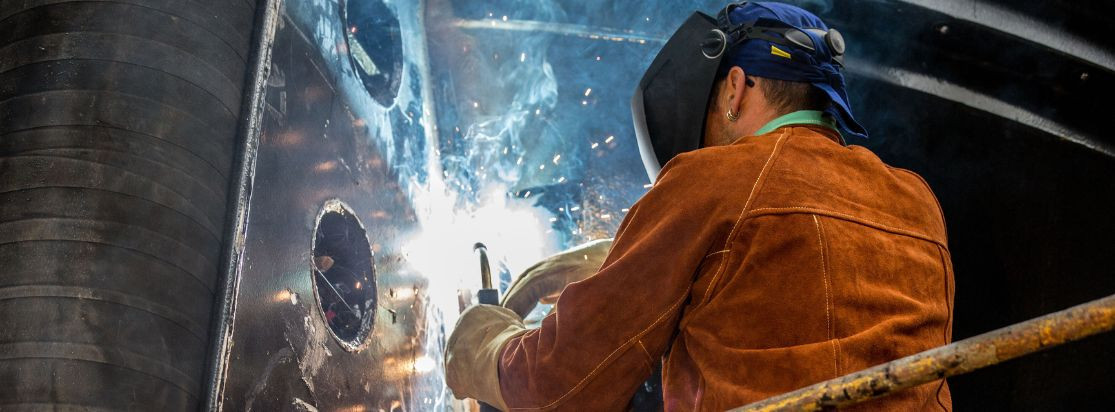
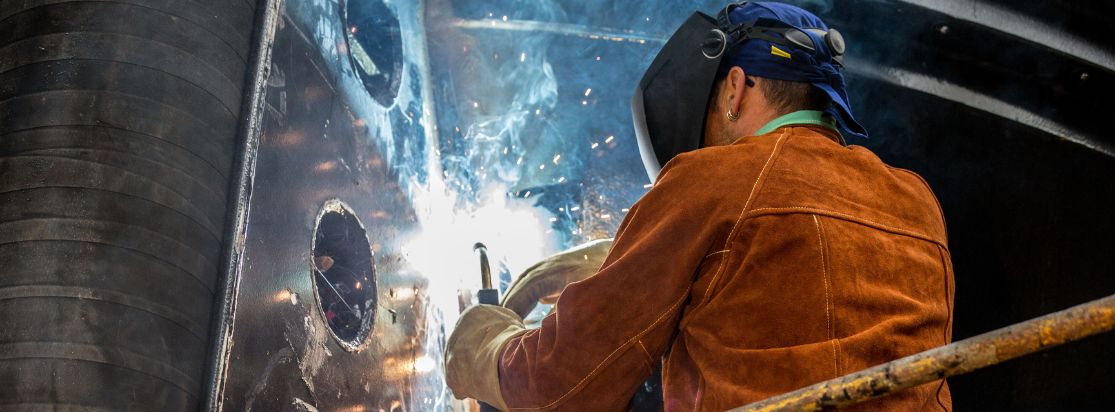
Preventing accidents and occupational diseases requires the adoption of rigorous safety practices. The use of secure welding equipment is a crucial starting point. Machines should be equipped with safety systems to prevent injuries and reduce noise and vibration emissions.
Limiting exposure to welding fumes is essential to ensuring operator safety. This involves adopting low-emission welding processes and, above all, effective source capture of fumes. To achieve this, workshop layouts must be reconsidered to equip welders with appropriate systems, such as ventilated helmets or high-performance extraction devices compliant with current standards. A well-designed general ventilation system also helps maintain a healthy working environment. To learn more about best practices, refer to our dedicated article on Welding Fume Extraction: Prevention Methods and Professional Solutions.
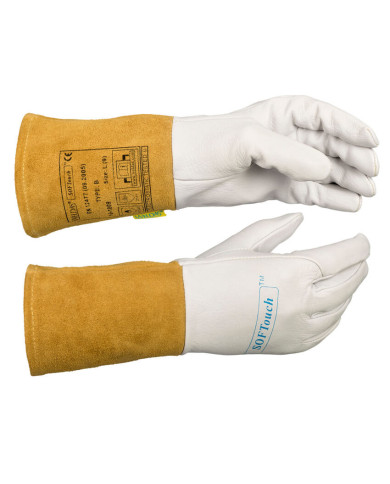
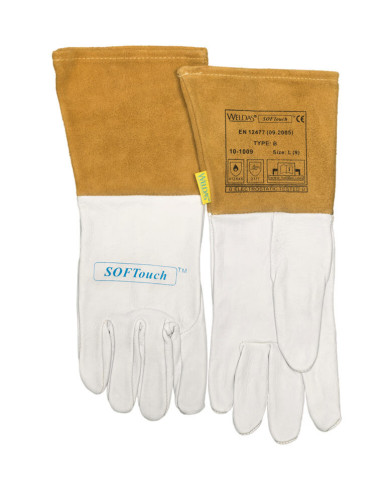
Personal protective equipment (PPE) also plays a key role in protecting against hot particle projections. Flame-retardant clothing, gloves, and welding helmets must always be worn during hazardous operations.

 Français



_11zon.webp)


_14_11zon.webp)
_6_11zon.webp)