I. Understanding the Dangers of Welding Fumes and the Importance of Effective Ventilation
Welding is a ubiquitous activity in many industrial sectors, yet it carries risks that are often underestimated. One of the primary dangers lies in the fumes generated during the process. These emissions, invisible to the naked eye, contain harmful particles that can have devastating effects on health. Understanding these dangers and implementing adequate ventilation is essential to ensure worker safety.
1. Health Risks Associated with Inhaling Welding Fumes
Welding fumes are a mixture of gases and fine particles derived from metals and substances used in the welding process. When inhaled, these particles can penetrate deeply into the lungs and cause long-term damage. Respiratory issues are the most common, but the health effects can be multiple and varied.
Welders exposed to these fumes over prolonged periods are at risk of developing chronic illnesses. Lead particles, for example, can lead to lead poisoning, a severe condition that affects the nervous system, kidneys, and even the reproductive system. Even low-dose exposure can cause irreversible cognitive impairments.
Other components of the fumes, such as rosin, are responsible for respiratory tract irritations. Workers may develop occupational asthma, a condition manifesting with symptoms like coughing, wheezing, and breathing difficulties. Over time, these problems can evolve into more severe pulmonary diseases.
2. Types of Welding Fumes and Their Specific Impacts
Not all welding processes are equal in terms of producing harmful fumes. Each technique generates a particular type of fume, with specific dangers. For instance, lead welding, although less commonly used, remains a potential hazard. Inhaling its particles can cause severe damage, as previously mentioned.
Rosin-core soldering uses a flux that facilitates metal adhesion. When heated, this flux releases irritating vapors. Regular exposure can lead to chronic respiratory conditions, such as asthma or occupational bronchitis.
Some welding processes involve using solvents like isopropyl alcohol. These substances, when vaporized, can cause headaches, dizziness, and nausea. At high concentrations, they pose a risk of damage to internal organs, such as the liver and kidneys.
Finally, the ultrafine particles produced by certain welding processes are particularly dangerous. Capable of penetrating deep into the lungs and entering the bloodstream, they can lead to broader health complications.
II. Strategies for Optimal Ventilation in Indoor Welding Environments
Ventilation is a crucial component of safety in welding workshops. It helps reduce exposure to harmful fumes and creates a healthier working environment. Implementing an effective ventilation system requires an understanding of the specific needs of each workspace.
1. Choosing the Right Fume Extraction System for Your Workshop
To ensure adequate ventilation, it is essential to choose a fume extraction system suited to your workshop. Professional fume extractors are designed to capture and filter dangerous particles before they spread into the ambient air. These systems come in various forms and sizes, offering solutions tailored to each situation.
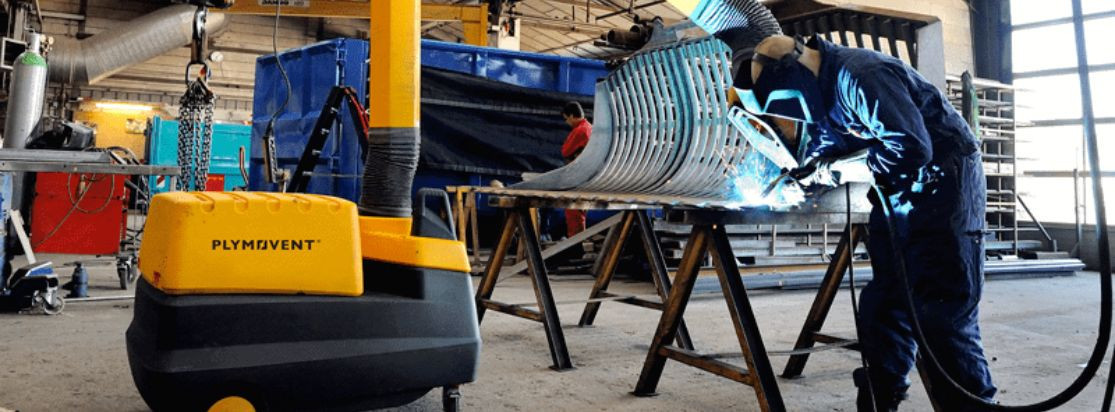
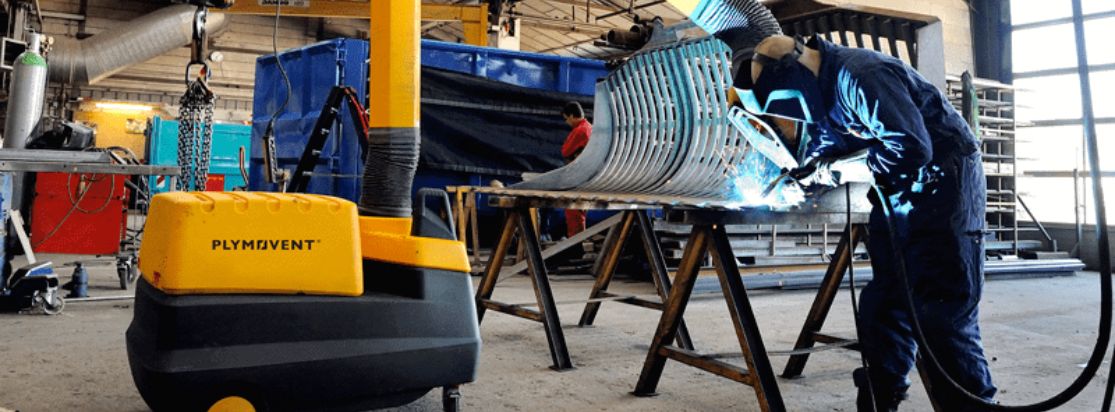
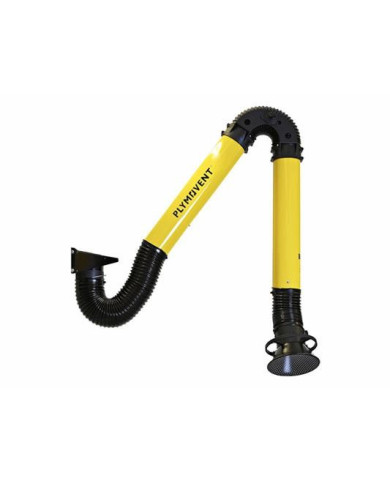
Some extractors are equipped with articulated arms, allowing for direct suction at the fume source. This feature maximizes extraction efficiency, thereby reducing the risk of inhaling harmful particles.
The installation of a fume extractor should be well-considered. It is recommended to place welding stations near windows or vents to facilitate fume evacuation. The goal is to prevent vapors from stagnating in the workspace, thus ensuring cleaner air for workers.
2. The Importance of Personal Protective Equipment in Welding Safety
Even with optimized ventilation, the use of personal protective equipment (PPE) remains indispensable. Respirators, for example, provide an additional barrier against residual particles. They filter inhaled air, thus protecting the welders' respiratory tracts.
Safety masks vary in terms of protection. Basic models offer minimal defense, while high-quality respirators can filter the finest particles. The choice of PPE should be tailored to the specific risks of each work environment.
The combination of effective ventilation and appropriate PPE is key to maintaining a safe welding environment. Configurations may vary, and it is crucial to regularly assess the safety measures in place to ensure they meet current needs. Worker health should always be a priority.
III. Conclusion
Safety in welding environments should never be taken lightly. Welding fumes pose an invisible yet very real danger, capable of causing irreversible health damage. By understanding the associated risks and implementing effective ventilation strategies, it is possible to significantly reduce these dangers.
Choosing the right fume extraction system and using suitable personal protective equipment are crucial steps in protecting workers. These measures, combined with regular evaluations of safety practices, contribute to creating a safer and healthier workspace.
The future of welding safety relies on increased awareness of the dangers and the adoption of innovative technologies and practices. By investing in effective safety solutions, companies can not only protect their workers but also enhance their productivity and reputation.

 Français



_11zon.webp)


_14_11zon.webp)
_6_11zon.webp)