I. Securing Your Home Welding Workspace
Home welding is increasingly attracting DIY enthusiasts who want to carry out their own repair or fabrication projects. However, this activity involves significant risks, especially the risk of house fires. A single spark or poor ventilation can quickly lead to a serious incident.
To weld safely at home, it is essential to set up a suitable work environment. This starts with creating a dedicated, well-ventilated area that is far from flammable materials such as wood, fabrics, or solvents. Ideally, the floor should be non-combustible—concrete or tile is best—to limit fire spread in case of an accident.
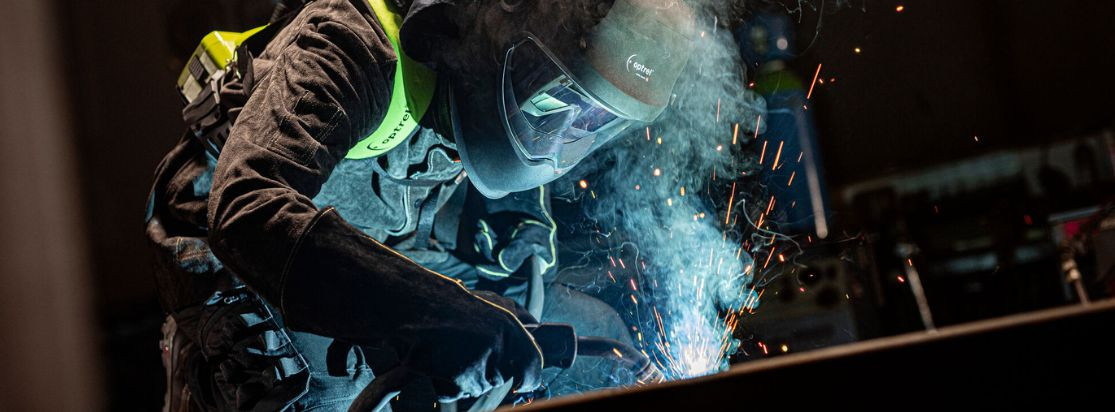
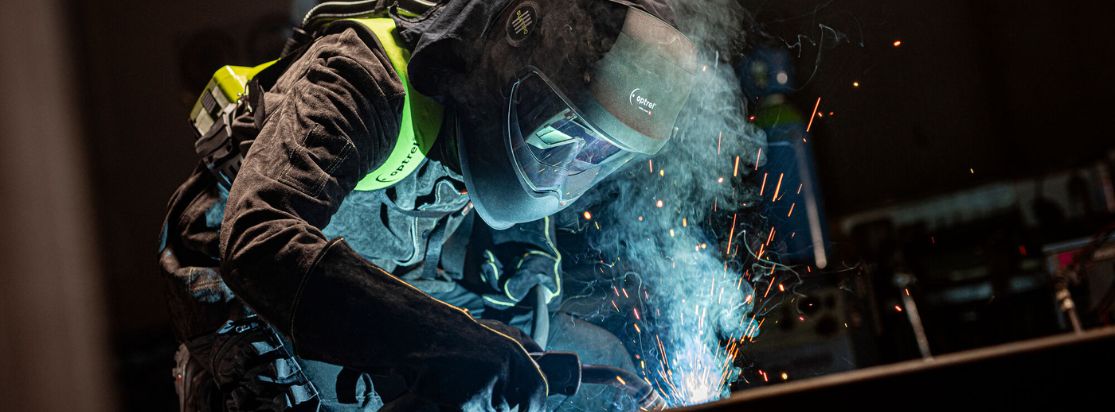
It is also strongly recommended to install a protective screen to contain sparks, keep a fire extinguisher suitable for electrical or metal fires within reach, and wear personal protective equipment (PPE): gloves, a filtered mask, safety goggles, and flame-resistant clothing.
Additionally, don’t overlook the importance of home insurance. Most policies do not cover damages related to high-risk activities like welding, especially if carried out without prior declaration. It's crucial to check with your insurance provider to ensure you're properly covered in the event of a fire.
Lastly, proper preparation includes training in safety techniques and knowing the right actions to take in case of a fire outbreak. Various organizations offer welding safety training specifically tailored for non-industrial environments.
1. The Importance of Fire Insurance for Amateur Welders
Subscribing to fire insurance is a critical step for hobby welders. Even with the utmost caution, the risk of fire is ever-present during welding work. An uncontrolled spark can quickly escalate into a major fire, causing extensive material damage. Fire insurance provides financial protection by covering damages caused by fires during welding. It may also cover temporary relocation expenses if your home becomes uninhabitable. Therefore, it serves as an essential safety net, preventing your welding passion from turning into a financial burden.
2. Setting Up a Safe Workspace
Preparing your workspace is vital to minimizing fire hazards. It's crucial to clear the area of all flammable materials such as wood, paper, or fabrics, which can easily ignite due to heat or sparks. Using fire-retardant tarps to protect nearby surfaces is highly recommended. A well-organized workshop also enhances safety during welding operations by reducing accident risks and ensuring quick access to safety equipment when needed.
II. Equipment and Best Practices for Safe Home Welding
Welding safety depends not only on how the workspace is arranged but also on the use of personal protective equipment and adherence to safe welding practices.
1. Essential Personal Protective Equipment (PPE)
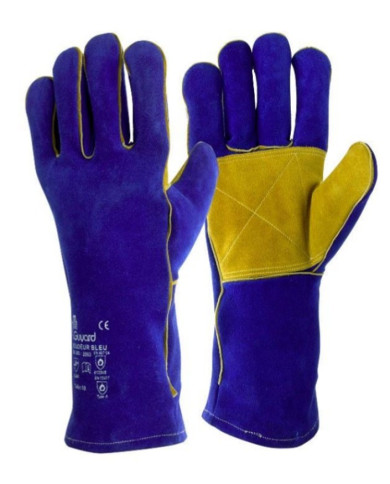
Personal protective equipment (PPE) is crucial for the welder's safety. A welding helmet protects the eyes and face from harmful UV radiation emitted by the electric arc. Fire-resistant gloves and clothing are indispensable to prevent burns from sparks and molten metal. These items must be high-quality and properly fitted to offer effective protection. Personal safety should never be compromised, and investing in quality PPE is a must for both amateur and professional welders.
2. Adopting Safe Welding Practices
In addition to PPE, following safe welding practices is essential to prevent accidents. Proper ventilation is critical to remove the toxic fumes produced during welding. These fumes contain fine particles and harmful gases that can lead to serious health issues, including respiratory irritation or long-term lung disease. It is also vital to keep a fire extinguisher close by. In case of a fire, quick action is necessary to prevent it from spreading. The extinguisher should be easily accessible and suitable for the types of fires that can occur in a welding workshop.
In conclusion, home welding can be a rewarding and practical activity, but it requires strict attention to safety. By securing fire insurance, setting up a safe workspace, using appropriate PPE, and adopting safe welding practices, you can greatly reduce the risks associated with this activity. Safety must always be the top priority, as it ensures not only your protection but also that of your home and loved ones.

 Français



_11zon.webp)


_14_11zon.webp)
_6_11zon.webp)