
 Français



_11zon.webp)


_14_11zon.webp)
_6_11zon.webp)



DIY Welding: Original Ideas for Your Home Creations
- Nada Iddouch
- 18 Aug, 2025
- News and innovations
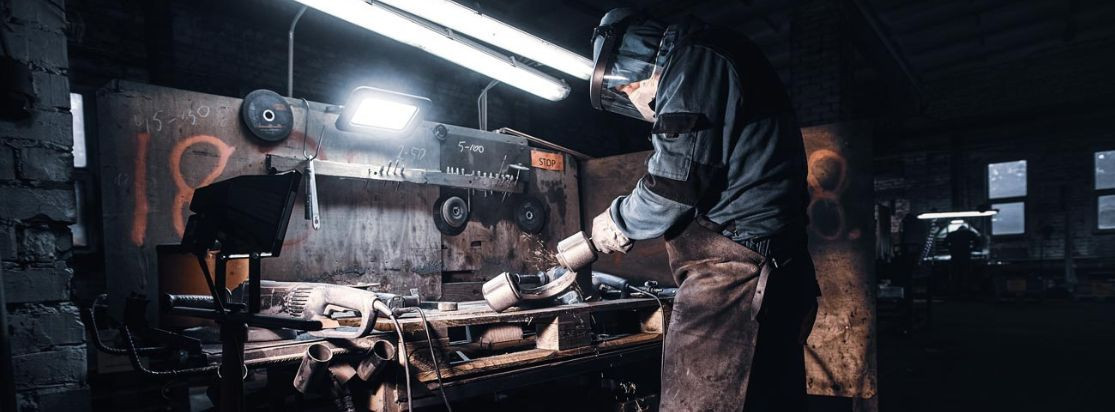
I. Innovative Techniques for DIY Welding at Home
In the world of DIY, welding stands out as a skill that can turn ideas into tangible reality. Often perceived as a field reserved for professionals, it is actually accessible to everyone with a bit of practice and the right tools. By mastering the basics, even beginners can venture into creative and functional projects. This article guides you through the essential techniques and precautions needed to undertake your DIY welding projects at home.
1. Mastering the Fundamentals of Welding for Beginners
For anyone starting out in welding, it is crucial to understand the different techniques available. Soldering, for instance, is ideal for electronic work. It involves melting a tin alloy to create solid electrical connections. This technique is often used to repair printed circuits or assemble electronic components. In contrast, arc welding is more suitable for robust metal structures, such as furniture frames or gates. It uses an electric current to melt the metal, allowing for the welding of thicker pieces.
Before starting, it is essential to equip yourself properly. A quality soldering iron, wire strippers, and suitable alloys are indispensable. These tools ensure not only the quality of your welds but also your safety. Furthermore, learning basic techniques, such as preparing surfaces to be welded and controlling temperature, is crucial to avoid common mistakes.
2. Safety and Preparation: The Keys to Successful Welding
Safety should never be overlooked when undertaking welding projects at home. A well-ventilated workspace is essential to avoid inhaling potentially harmful fumes. Additionally, the use of personal protective equipment, such as heat-resistant gloves and safety glasses, is imperative. These precautions minimize the risk of burns and protect your eyes from metal splashes.
Organizing your workspace also contributes to safety. Ensure it is free of flammable materials and that you have a fire extinguisher within reach. By taking these measures, you can focus on your creativity with peace of mind, knowing you have minimized the risk of accidents.
II. Creative Welding Projects to Transform Your Interior
Welding is not limited to repairing or constructing functional structures. It also opens up a world of creative possibilities to enhance your interior space. By exploring different welding and cutting techniques, you can transform ordinary metal objects into unique decorative pieces.
1. Metal Decoration: From Ordinary to Extraordinary
Metal decoration offers a fascinating opportunity to bring artistic ideas to life. With welding, mundane metal pieces can be transformed into captivating works of art. For example, using oxyacetylene welding, you can make precise cuts to create sculptures or assemble complex patterns. This technique allows for precise metal shaping, ideal for artistic projects.
Incorporating metal elements into your interior decoration can add an industrial or modern touch to your space. Consider transforming an old bicycle wheel into a wall clock or using hardware pieces to create floating shelves. These projects not only personalize your interior but also showcase your creativity and craftsmanship.
2. Upcycling: Giving New Life to Objects with Welding
Upcycling is an innovative and eco-friendly approach to repurposing worn-out materials. With welding, even everyday objects can be transformed into unique and functional pieces. For example, tin cans can become elegant candle holders, and old bicycle frames can be reinvented as industrial shelves.
To start an upcycling project, identify metal objects you no longer use. An old metal chair can become a modern art piece, while a set of kitchen utensils can be welded into a decorative sculpture. This process not only reduces waste but also stimulates your creativity by encouraging you to see objects from a new perspective.
By exploring these projects, you contribute to an eco-friendly approach while adding a personal touch to your interior. Welding thus becomes a tool of personal expression, allowing you to give a second life to otherwise neglected materials.
III. Conclusion
Home welding is more than just a hobby. It is an invitation to explore your creativity, transform your environment, and adopt a more sustainable approach to DIY. By mastering basic techniques and adhering to safety guidelines, you can undertake projects that not only enhance your space but also reflect your personality and ingenuity. Whether you are a novice or experienced, welding offers a world of possibilities to discover.
For beginners, soldering is ideal for electronic work as it creates strong electrical connections. For more robust projects, such as metal structures, arc welding is recommended because it uses an electric current to melt the metal.
It is crucial to have a well-ventilated workspace and to use personal protective equipment, such as heat-resistant gloves and safety goggles, to prevent burns and protect your eyes from metal splinters.
Surface preparation involves cleaning them to remove any dirt, rust, or paint, and lightly sanding them to ensure better adhesion of the weld. Controlling the temperature of your soldering iron is also essential to avoid overheating the materials.
Upcycling is the process of transforming used materials into functional or decorative objects. In welding, this can include transforming tin cans into candle holders or bicycle frames into shelves, contributing to an eco-friendly approach while stimulating creativity.
Welding allows for the creation of decorative projects such as metal sculptures, wall clocks made from bicycle wheels, or floating shelves with hardware pieces. These projects add an artistic and personalized touch to your interior space.