Français



_11zon.webp)


_14_11zon.webp)
_6_11zon.webp)



Oxy-fuel cutting: understanding the principle, applications and best cutting practices
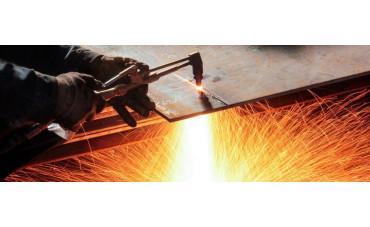
Oxy-fuel cutting is a thermal cutting process mainly used to cut ferrous metals, particularly steels. It is based on the combined action of a heating flame and an oxygen jet, which oxidises the metal and removes the material in the form of slag. This technique is still widely used in metal construction, maintenance, boiler making, industrial repair and work on thick materials.
This blog category aims to help you better understand how oxy-fuel cutting works, the equipment required, the key settings to know, the differences with other cutting processes and the safety precautions to follow. The goal is not only to choose a cutting torch, but also to understand how to prepare a clean, regular cut suited to the application.
How does oxy-fuel cutting work?
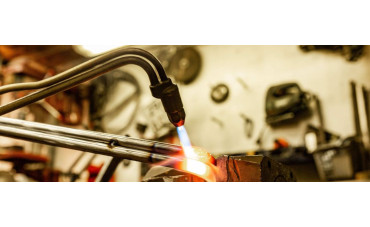
The principle of oxy-fuel cutting first consists of locally heating the metal using a flame produced by a fuel gas, such as acetylene or propane, combined with oxygen. Once the required temperature is reached, a cutting oxygen jet is directed onto the heated area to oxidise the metal and remove the material.
Cut quality depends on several parameters: the choice of gas, oxygen pressure, nozzle type, workpiece thickness, travel speed, distance between the nozzle and the metal, as well as the surface condition of the workpiece. Poor preparation or incorrect settings can lead to an irregular cut, significant burrs or a loss of precision.
When should oxy-fuel cutting be used?
Oxy-fuel cutting is particularly suitable for carbon steels and thick workpieces. It is often used when robust metal components need to be cut, prepared, dismantled or reworked. This process can be used in workshops, on worksites or during maintenance operations, especially when equipment mobility is an important criterion.
Depending on the requirements, oxy-fuel cutting can be used to make straight cuts, cut metal parts, carry out demolition work, prepare parts before assembly or intervene on existing structures.
Oxy-fuel cutting, plasma or laser: clearly distinguishing the processes
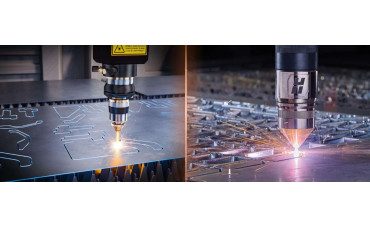
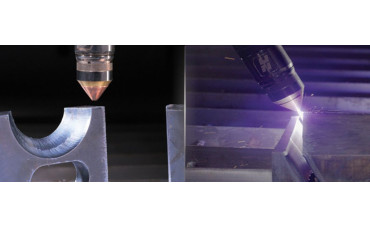
Oxy-fuel cutting does not have the same uses as plasma cutting or laser cutting. Plasma is often chosen for its speed and versatility on different conductive metals, while laser cutting is valued for its precision and finish quality. Oxy-fuel cutting remains an interesting solution for thick steel and environments where process robustness is important.
The choice of process therefore depends on the material, thickness, expected level of precision, production rate, budget and working conditions.
Cutting torch, pressure regulator, nozzles and gases: key elements to know
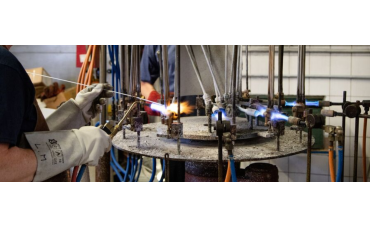
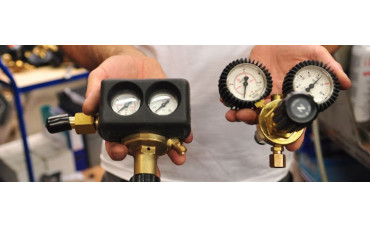
Oxy-fuel cutting equipment generally consists of a cutting torch, pressure regulators, hoses, suitable nozzles, safety devices and gas cylinders. Each element plays an important role in flame stability, cut quality and operator safety.
The choice of torch and accessories must be consistent with the intended use: occasional cutting, worksite intervention, regular workshop use, thick materials or maintenance work. The nozzle diameter, gas pressures and condition of the consumables must be checked to achieve an efficient cut and limit defects.
Safety in oxy-fuel cutting: an essential point
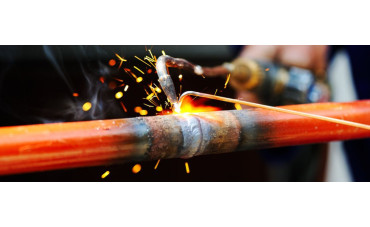
Oxy-fuel cutting involves the use of gases, a very hot flame, projections of incandescent metal and parts heated to high temperatures. The risks may include burns, fire, explosion, eye injuries, fumes or incorrect handling of gas cylinders.
Before any operation, it is essential to check the condition of the equipment, ensure there are no leaks, verify equipment compatibility, provide proper ventilation in the work area and use suitable protective equipment. Goggles or eye protection, gloves, heat-resistant clothing, safety footwear and proper organisation of the cutting area are essential for working in good conditions.
Workpiece preparation and workstation organisation
A successful cut starts with good preparation. The workpiece must be correctly positioned, stabilised and kept clear of any flammable materials nearby. Traces of paint, grease, coating or contamination can affect cut quality and generate additional fumes.
It is also important to anticipate the fall of the cut part, movement around the workstation, slag removal and the cooling of components after the operation. Good organisation improves precision, reduces rework and limits risks during the operation.
Our advice to better understand oxy-fuel cutting
Through this category, HD Soudage helps you understand oxy-fuel cutting, from how the process works to equipment selection and best safety practices. You will find advice on cutting torches, nozzles, pressure regulators, settings, gases, workpiece preparation and comparison with other cutting processes.
Whether you are a boiler maker, welder, metalworker, maintenance technician or professional working on site, this section will help you better understand the applications of oxy-fuel cutting and prepare your cutting operations in better conditions.